How Many Ports Does My Motherboard Have – Complete Guide 2026
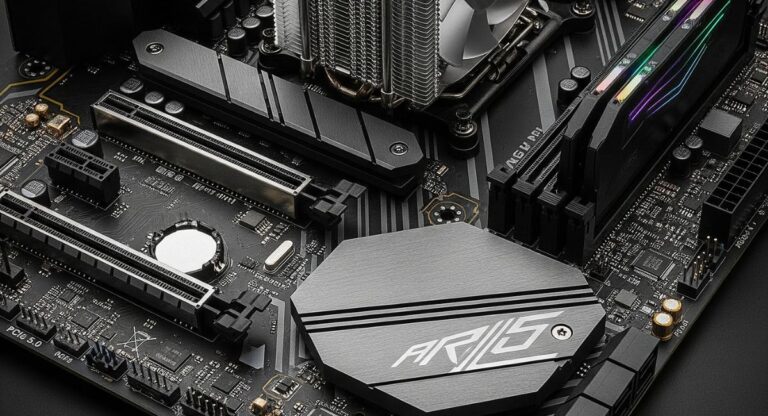
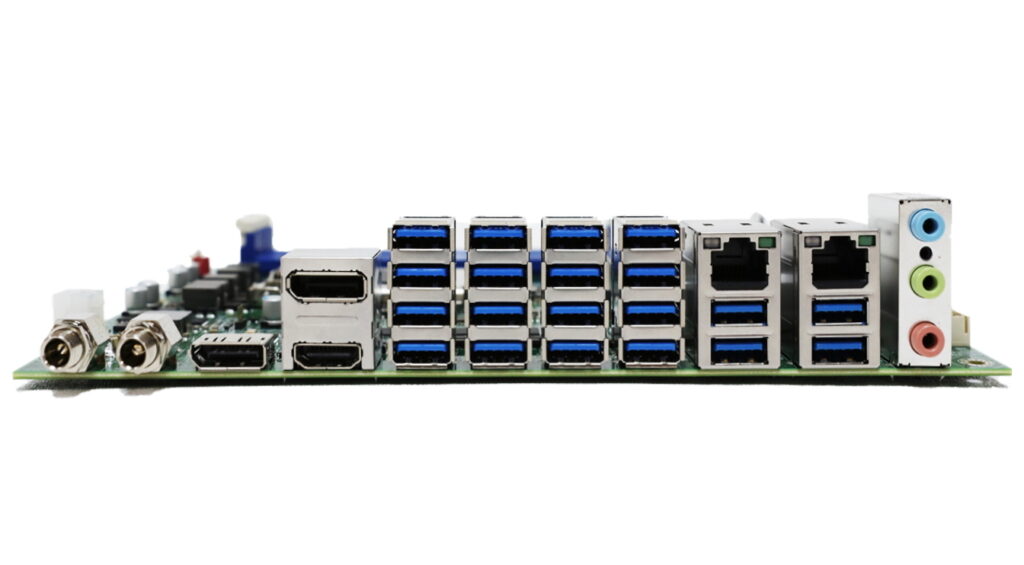
A motherboard is the main circuit board of a computer that connects all hardware components together. Many users often ask how many ports does my motherboard have because ports determine how many external devices can be connected at once. These ports includeUSB, HDMI, audio, LAN, and storage connections. The number of ports depends on the motherboard type, size, chipset, and purpose. Understanding these ports helps users choose the right system for gaming, office work, and professional tasks.
Find out how many ports does my motherboard have and learn about different motherboard port types, functions, and connectivity options.
What is a Motherboard?
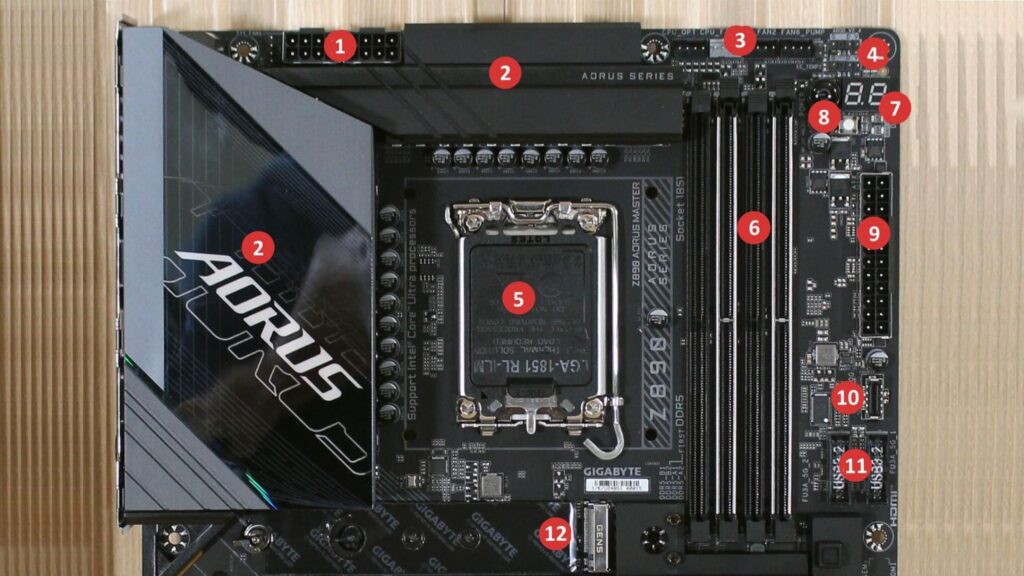
A motherboard is the central hub of a computer system that holds and connects all the major hardware components together in one place.
It provides the main communication pathway between the CPU, RAM, storage devices, GPU, and other internal parts, allowing them to work together smoothly and efficiently.
Every action you perform on a computer depends on the motherboard because it manages how data is transferred between all connected components.
Without a motherboard, a computer cannot function at all because there would be no system for communication between hardware parts.
In addition to internal connections, the motherboard also offers different types of ports that allow users to connect external devices such as keyboards, mice, monitors, printers, and storage drives.
These ports make the system more practical, flexible, and user-friendly by enabling easy plug-and-play connectivity for everyday use.
Types of Motherboard Ports
USB Ports
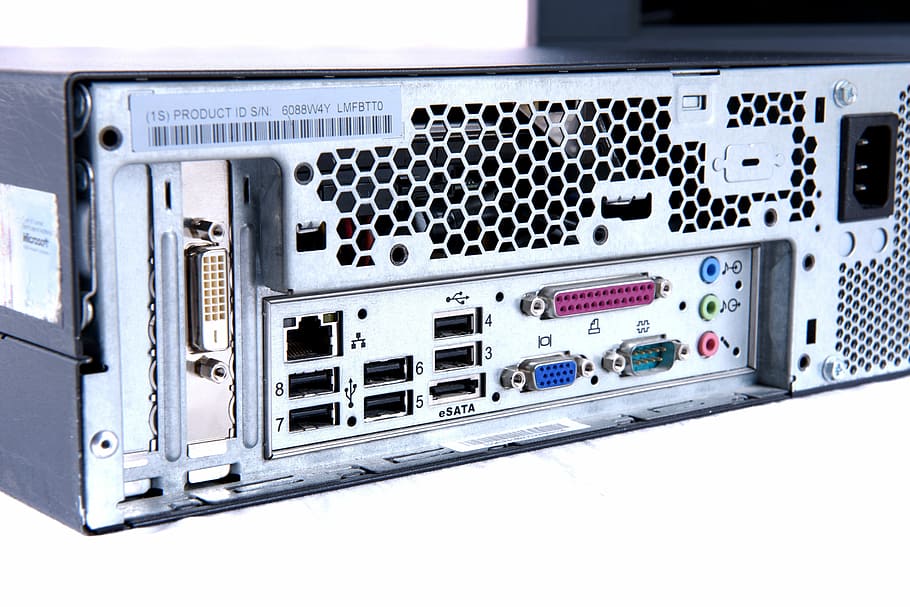
USB ports are the most commonly used ports on any motherboard. They are used for connecting keyboards, mice, printers, flash drives, and external storage devices.
Modern motherboards support USB 2.0, USB 3.0, USB 3.2, and USB Type-C. These newer versions offer faster data transfer speeds and better performance.
USB Type-C is becoming the modern standard because it supports fast charging and high-speed data transfer.
Display Ports
Display ports are used to connect monitors and screens. These include HDMI, DisplayPort, VGA, and DVI.
HDMI and DisplayPort are the most widely used today because they support high-resolution displays like 4K and even 8K. These ports are essential for gaming, video editing, and professional design work.
Audio Ports
Audio ports are used for sound input and output. These include microphone jacks, headphone jacks, and surround sound ports.
They help deliver high-quality audio for gaming, communication, and entertainment purposes. Good audio ports improve overall multimedia experience.
LAN Port
The LAN port is used for wired internet connection. It provides a stable and fast connection compared to Wi-Fi. Gamers and professionals prefer LAN because it reduces latency and ensures consistent internet performance.
Storage Ports
Storage ports connect internal storage devices like hard drives and SSDs. These include SATA ports and M.2 slots.
SATA ports are used for traditional drives, while M.2 slots support high-speed NVMe SSDs, which significantly improve system performance.
How Many Ports Does a Motherboard Have?
The number of ports on a motherboard is not fixed. It depends on the motherboard category and usage.
Basic Motherboards
- 6–8 USB ports
- 1 LAN port
- 3–5 audio ports
- 1 HDMI port
- 4 SATA ports
Mid-Range Motherboards
- 8–12 USB ports
- 1–2 display outputs
- 5–6 audio ports
- 6 SATA ports
- 1–2 M.2 slots
High-End Motherboards
- 12–20 USB ports (including Type-C)
- Multiple display outputs
- Advanced audio system
- 2–4 M.2 slots
- Extra expansion ports and headers
Features of Motherboard Ports
Motherboard ports come with many advanced features that improve performance and usability.
They support high-speed data transfer, plug-and-play functionality, and backward compatibility. Modern ports also support fast charging, multi-device connectivity, and high-resolution display output.
Some ports also provide stable internet connectivity and low-latency performance for gaming and professional work. These features make modern systems more powerful and efficient.
Benefits of Motherboard Ports
Motherboard ports offer many advantages to users. They allow easy connection of multiple devices, which improves productivity and flexibility.
Faster data transfer speeds help in gaming, file sharing, and professional work. Stable internet connections improve online gaming and streaming.
Ports also make system upgrades easier, allowing users to expand their setup without replacing the entire motherboard. Overall, they improve system performance and usability.
Importance of Motherboard Ports
Motherboard ports are essential because they define how flexible and powerful a computer system is.
More ports mean more connectivity options and better upgrade potential. Without enough ports, users may need external adapters, which can reduce performance and increase cost. That is why choosing the right motherboard with proper ports is very important.
Future of Motherboard Ports
In the future, motherboard ports will become faster, smarter, and more efficient. USB Type-C will become standard across all devices. Wireless connectivity will increase, reducing the need for physical ports. Storage technology will shift more toward NVMe and faster PCIe generations. AI-based system optimization will also improve how ports manage data and performance.
FAQs
1.What are motherboard ports used for?
Motherboard ports are used to connect external devices such as keyboard, mouse, monitor, internet cable, speakers, and storage devices to the computer system for communication and functionality.
2.Do all motherboards have the same number of ports?
No, different motherboards have different numbers of ports depending on their type, size, price range, and usage purpose such as gaming, office, or professional work.
3.Which motherboard port is most important?
USB ports are the most important because they connect most external devices like keyboards, mice, flash drives, and many accessories.
4.Can motherboard ports be increased?
Yes, motherboard ports can be increased using USB hubs, PCIe expansion cards, docking stations, or external adapters without replacing the motherboard.
5.Why do gaming motherboards have more ports?
Gaming motherboards require more ports to support multiple devices, high-speed internet, RGB systems, fast storage, and multi-monitor setups for better performance.
Conclusion
Motherboard ports play a very important role in any computer system. They determine how many devices can be connected and how efficiently the system performs. The number of ports varies depending on motherboard type and usage. Choosing the right motherboard with proper ports ensures better performance, flexibility, and future upgrade options for long-term use in gaming, office, and professional environments.