Motherboard Tier List AM5- Complete Ranking of All AM5 Boards (2026 Guide)
The motherboard tier list AM5 is essential for anyone planning to build a modern AMD Ryzen system. With the introduction of the AM5 platform, AMD has brought support for DDR5 memory, PCIe 5.0, and future-proof technologies. However, not all motherboards offer the same level of performance, features, or value. This guide ranks AM5 motherboards into tiers, helping you choose the best option based on your budget, performance needs, and upgrade plans.
Explore the motherboard tier list AM5 with detailed rankings of S, A, B, and C tier AM5 motherboards for gaming, productivity, and PC builds.
- What is the AM5 Platform?
- Why a Motherboard Tier List Matters
- AM5 Motherboard Tiers Explained
- S-Tier Motherboards (High-End / Enthusiast)
- A-Tier Motherboards (High Performance)
- B-Tier Motherboards (Mid-Range / Value)
- C-Tier Motherboards (Budget / Entry-Level)
- X670 vs B650 vs A620 Chipsets
- Key Features to Consider in AM5 Motherboards
- How to Choose the Right Tier
- Common Mistakes to Avoid
- Future of AM5 Motherboards
- FAQ’s
- Conclusion
- Related post
What is the AM5 Platform?
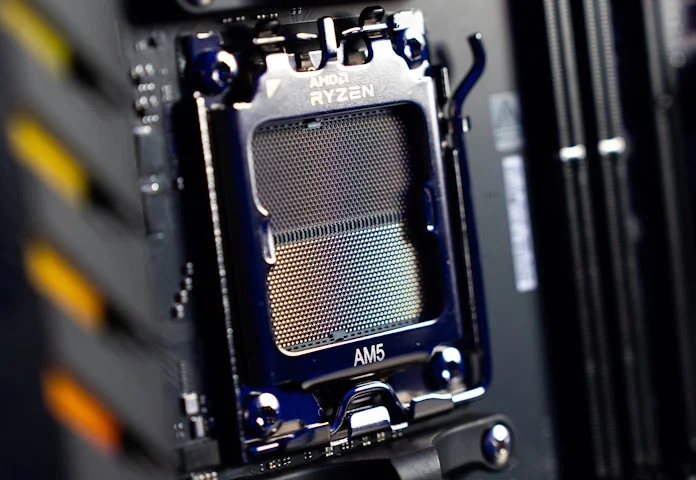
The AM5 platform is AMD’s latest socket designed for Ryzen 7000 series processors and beyond. It replaces the older AM4 socket and introduces significant improvements in speed and efficiency.
These AM5 motherboards are built to support next-generation hardware, making them ideal for gaming, content creation, and professional workloads.
Key Features of AM5 Platform
- DDR5 RAM support only
- PCIe 5.0 compatibility
- Improved power delivery (VRM)
- Long-term upgrade support
- Enhanced connectivity options
Why a Motherboard Tier List Matters
A motherboard tier list AM5 helps users understand the differences between budget, mid-range, and high-end motherboards. Not every motherboard is designed for the same level of performance.
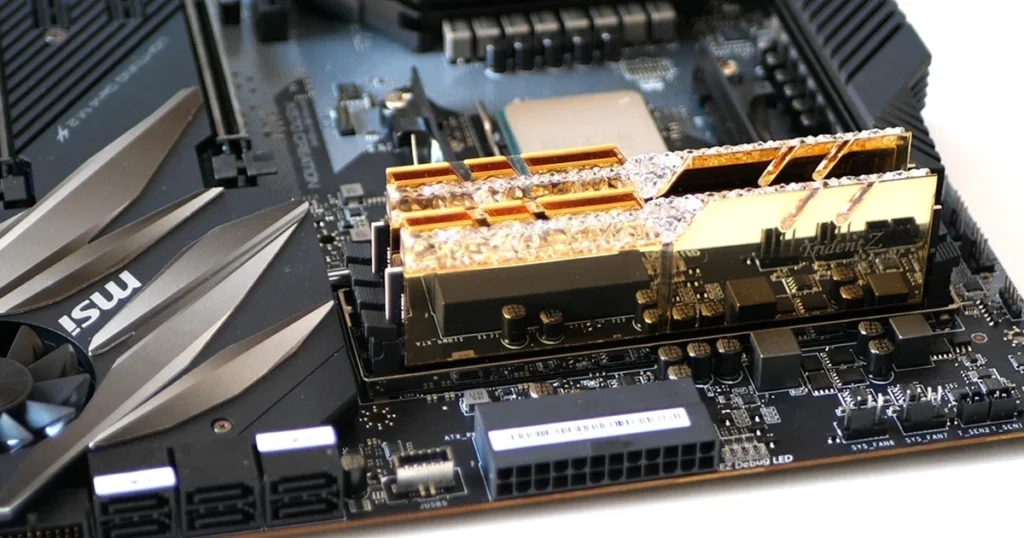
Some are optimized for overclocking, while others focus on affordability and basic usage. Choosing the wrong tier can either limit your system or waste your money.
Benefits of Tier Lists
- Simplifies decision-making
- Ensures better value for money
- Clear performance comparison
- Helps match motherboard with CPU
- Avoids compatibility issues
AM5 Motherboard Tiers Explained
To make things easier, the motherboard tier list AM5 is divided into four main tiers: S-Tier, A-Tier, B-Tier, and C-Tier.
S-Tier Motherboards (High-End / Enthusiast)
S-Tier motherboards represent the best AM5 motherboards available. These are designed for enthusiasts, professionals, and users who demand maximum performance.
These boards include premium VRMs, advanced cooling, and top-tier connectivity options.
Top Features
- Extreme VRM power delivery
- Full PCIe 5.0 support (GPU + SSD)
- USB4 / Thunderbolt support
- Advanced thermal cooling systems
- Premium build quality
Best For
- Overclocking high-end CPUs
- Heavy workloads and rendering
- Professional content creation
Examples
- ASUS ROG Crosshair X670E Hero
- MSI MEG X670E ACE
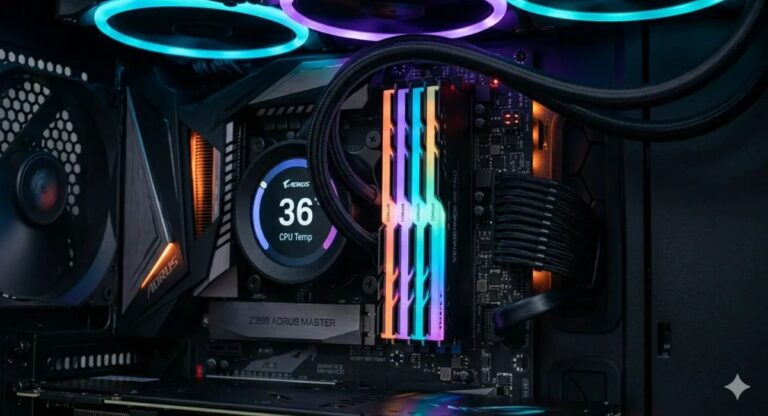
- Gigabyte X670E AORUS Master
These high-end AM5 motherboards are expensive but deliver unmatched stability and performance.
A-Tier Motherboards (High Performance)
A-Tier motherboards offer an excellent balance between price and performance. They are ideal for gamers and power users who want strong features without paying premium prices.
These boards maintain high-quality VRMs and include most modern features.
Key Features
- Strong VRM performance
- Partial PCIe 5.0 support
- High-speed connectivity (USB-C, WiFi)
- Efficient cooling systems
Best For
- Gaming setups
- Streaming and multitasking
- Advanced productivity work
Examples
- ASUS ROG Strix X670E-E Gaming WiFi
- MSI MPG X670E Carbon WiFi
- Gigabyte B650E AORUS Pro
These AM5 motherboards provide excellent value with high-end capabilities.
B-Tier Motherboards (Mid-Range / Value)
B-Tier motherboards are perfect for users looking for affordable performance. They provide reliable functionality without unnecessary premium features.
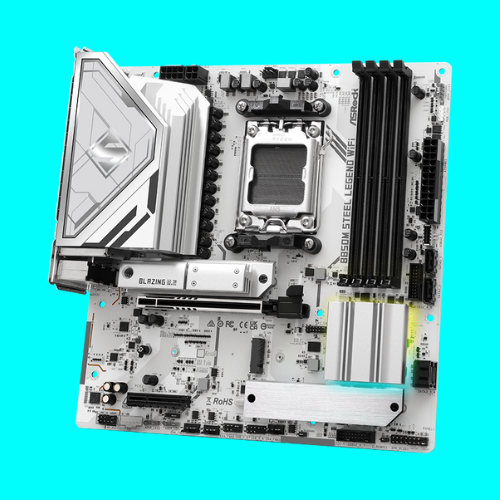
While they may lack advanced overclocking capabilities, they are still powerful enough for most users.
Key Features
- Decent VRM quality
- Limited PCIe 5.0 support
- Basic cooling solutions
- Good price-to-performance ratio
Best For
- Casual gaming
- Music production setups
- Office and creative tasks
Examples
- ASUS TUF Gaming B650-PLUS
- MSI PRO B650M-A WiFi
- Gigabyte B650 Gaming X
These boards are ideal for budget-conscious builders.
C-Tier Motherboards (Budget / Entry-Level)
C-Tier motherboards are designed for entry-level users who need basic functionality. These boards focus on affordability rather than performance.
They still support AM5 CPUs, but lack advanced features and upgrade flexibility.
Key Features
- Basic VRM design
- Limited connectivity options
- Fewer expansion slots
- Minimal cooling features
Best For
- Basic PC builds
- Light workloads
- Entry-level users
Examples
- A620 chipset motherboards
- Entry-level B650 boards
These are suitable for simple and low-cost setups.
X670 vs B650 vs A620 Chipsets
Understanding chipsets is essential when using the motherboard tier list AM5.
X670 / X670E
- High-end chipset
- Maximum features and expansion
- Best for enthusiasts
B650 / B650E
- Mid-range chipset
- Balanced performance and cost
- Great for most users
A620
- Budget chipset
- Limited features
- No overclocking support
Key Features to Consider in AM5 Motherboards
When selecting from the motherboard tier list AM5, always focus on critical features that impact performance.
Important Factors
- VRM quality for stable power delivery
- DDR5 RAM support and speed
- PCIe 5.0 compatibility
- Connectivity (USB-C, WiFi, Ethernet)
- Multiple M.2 storage slots
How to Choose the Right Tier
Choosing the correct tier depends on your usage and budget.
- S-Tier → Professionals and enthusiasts
- A-Tier → Gamers and power users
- B-Tier → Average users and creators
- C-Tier → Beginners and budget builds
Always align your CPU, GPU, and workload with the motherboard tier.
Common Mistakes to Avoid
- Buying an expensive motherboard with a low-end CPU
- Ignoring VRM quality
- Not checking RAM compatibility
- Overlooking future upgrade potential
- Choosing based only on price
Avoiding these mistakes ensures better performance and long-term value.
Future of AM5 Motherboards
The AM5 platform is expected to remain relevant for years, making it a future-proof investment.
Future Trends
- Wider PCIe 5.0 adoption
- Faster DDR5 memory speeds
- Improved motherboard cooling designs
- More USB4 and high-speed connectivity
FAQ’s
1.What is the best tier in motherboard tier list AM5?
The S-Tier AM5 motherboards are the best, offering premium features, top performance, and maximum reliability for high-end users.
2.Is B650 good enough for gaming?
Yes, B650 motherboards provide excellent gaming performance and are ideal for most users without needing expensive hardware.
3.Do I need an X670 motherboard?
You only need an X670 motherboard if you require advanced features, overclocking, and maximum connectivity options.
4.Which AM5 motherboard is best for budget users?
B650 and A620 motherboards are best for budget users, offering decent performance at a lower price.
5.How long will AM5 platform last?
The AM5 platform is expected to be supported for many years, making it a long-term and future-proof choice.
Conclusion
The motherboard tier list AM5 simplifies the process of choosing the right motherboard by categorizing options into clear performance levels. Whether you need a high-end S-Tier board or a budget-friendly B-Tier option, understanding these tiers helps you make smarter decisions. Investing in the right AM5 motherboard ensures better performance, stability, and future upgrade potential, making your PC build more efficient and reliable for years to come.