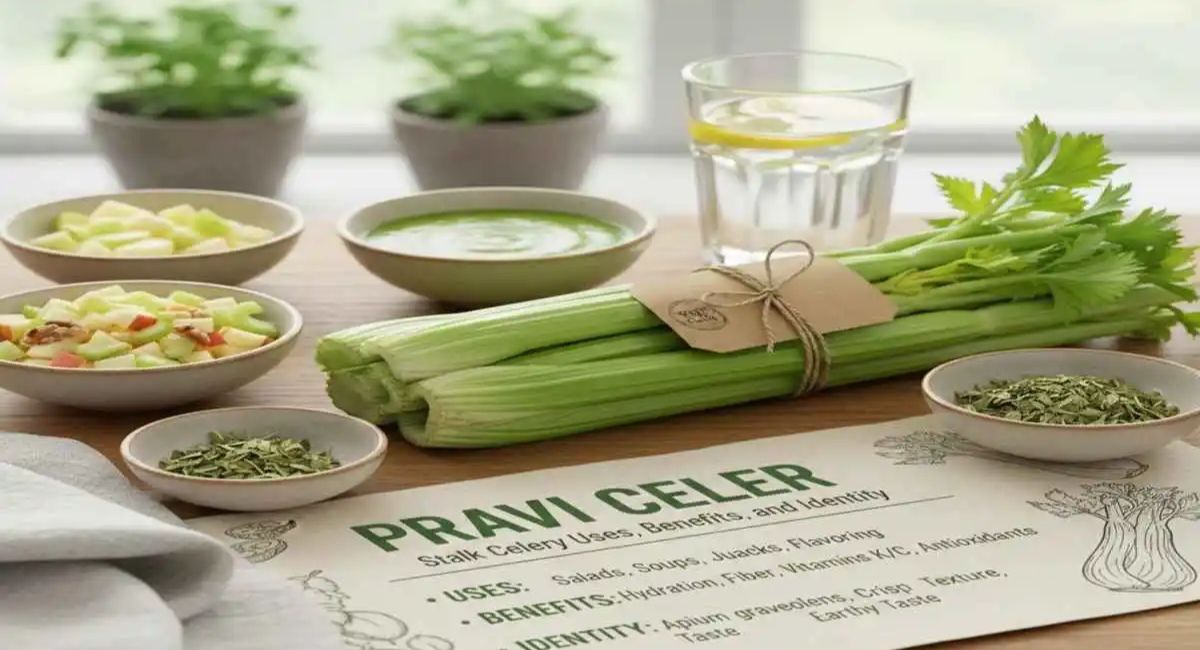
Pravi Celer (True Celery- Complete Guide to Nutrition, Benefits, Uses and Growing
Pravi celer, meaning “true celery,” is a traditional and highly nutritious form of the celery plant that includes the stalks, leaves, seeds, and root. Unlike the common supermarket version that is usua
lly limited to trimmed stalks, pravi celer represents the whole plant and offers a richer nutritional profile and deeper culinary value.
It has been widely used in Balkan and Mediterranean cooking for centuries, especially in soups, stews, broths, and herbal preparations. Today, it is gaining global attention as a nutrient-dense vegetable that supports overall health, digestion, hydration, and weight management.
This guide explains everything about pravi celer, including its nutrition, health benefits, uses, growing methods, and differences from regular celery.|
Pravi celer (true celery) is a nutrient-rich whole plant. Learn its benefits, nutrition, uses, recipes, growing guide, and differences from celery.
What is Pravi Celer?
Pravi celer is a South Slavic term meaning “true celery.” It refers to the complete form of the celery plant, including stalks, leaves, seeds, and root (celeriac).
Botanically, it comes from the plant
Celery
In traditional Balkan and Mediterranean cuisine, pravi celer is considered a foundational ingredient used in soups, stews, and broths rather than just a garnish or snack vegetable.
The key idea behind pravi celer is the use of the entire plant, which increases both nutritional value and culinary versatility.
Pravi Celer vs Regular Celery
Most people are familiar with the mild stalk celery found in supermarkets. However, pravi celer represents a more complete and traditional form of the plant.
| Feature | Pravi Celer | Regular Celery |
| Plant usage | Whole plant (leaf, stalk, root, seed) | Only stalk |
| Flavor | Strong, earthy, aromatic | Mild and watery |
| Nutrition | Higher density of nutrients | Moderate |
| Culinary use | Cooking base, seasoning, soups | Snacks and salads |
| Traditional use | Herbal and medicinal use | Limited use |
The biggest difference is that pravi celer includes all edible parts of the plant, while modern celery focuses mainly on stalks.
Nutritional Profile of Pravi Celer
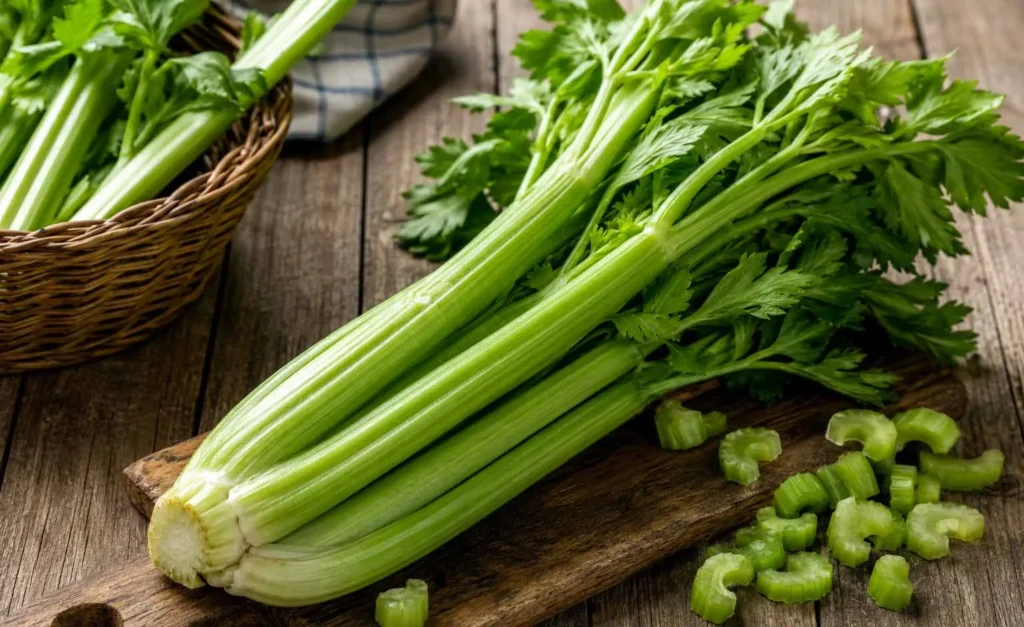
Pravi celer is low in calories but rich in vitamins, minerals, and plant compounds.
Per 100 grams:
- Calories: 14–16 kcal
- Water: approximately 95 percent
- Carbohydrates: 2.9 g
- Fiber: 1.6 g
- Protein: 0.7 g
- Fat: 0.2 g
Key nutrients:
- Vitamin K for bone health and blood clotting
- Vitamin C for immune function
- Vitamin A for vision and skin health
- Folate for cell repair and growth
- Potassium for blood pressure regulation
Bioactive compounds:
- Apigenin, known for anti-inflammatory properties
- Luteolin, a strong antioxidant compound
- Phthalides, associated with blood pressure support
- Caffeic acid, which supports immune defense
These compounds make celery more than just a vegetable. It functions as a natural source of protective plant chemicals.
Health Benefits of Pravi Celer
Supports heart health
Compounds such as phthalides may help relax blood vessels and support healthy blood pressure levels.
Improves digestion
The fiber content supports bowel movement, reduces constipation, and helps maintain gut health.
Provides hydration support
With very high water content, celery helps maintain fluid balance and supports kidney function.
Anti-inflammatory effects
Antioxidants in celery help reduce oxidative stress, which is linked to chronic diseases such as arthritis and heart conditions.
Supports weight management
Pravi celer is low in calories and high in fiber, which increases satiety and reduces overall calorie intake.
Helps regulate blood sugar
Its low glycemic index makes it suitable for supporting stable blood sugar levels.
Supports skin health
Vitamin C contributes to collagen production, improving skin texture and elasticity.
How to Grow Pravi Celer
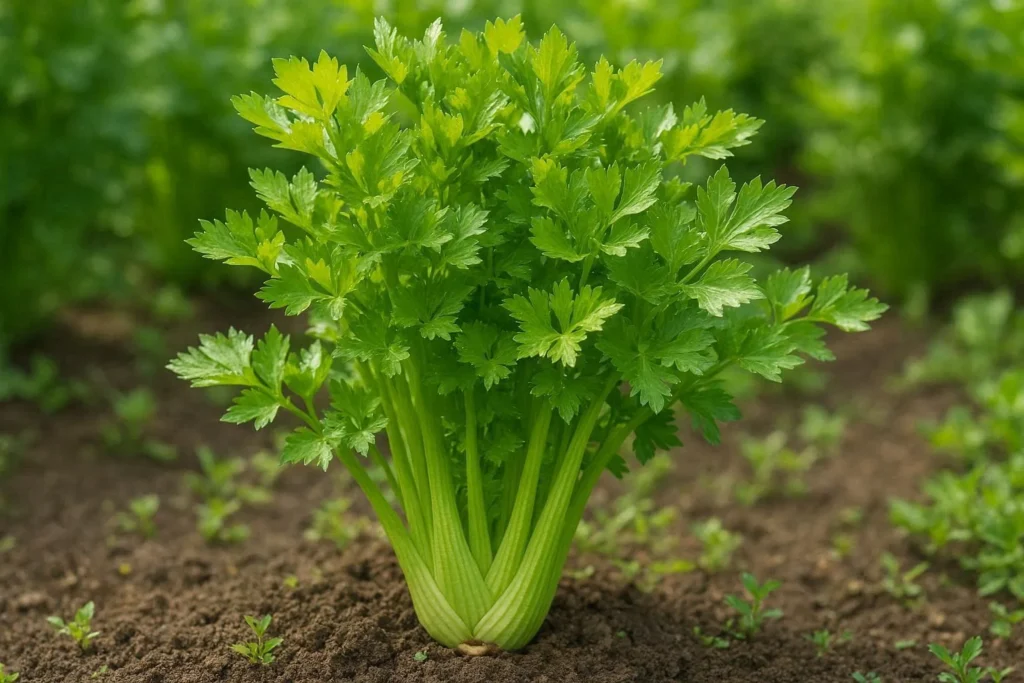
Growing pravi celer requires consistency and proper care, but it is highly rewarding.
Climate requirements
Pravi celer grows best in cool weather conditions between 15 and 21 degrees Celsius. It does not perform well in extreme heat, which may cause early flowering.
Soil requirements
The plant prefers rich, loamy soil with high organic content. A pH level between 6.0 and 7.0 is ideal. Soil must retain moisture while still draining properly.
Sunlight requirements
It requires 6 to 8 hours of sunlight per day. In hotter climates, partial shade during afternoon hours is beneficial.
Watering
Consistent watering is critical. The soil should never dry out completely. On average, watering two to three times per week is required depending on climate conditions.
Growth timeline
- Germination: 10 to 21 days
- Transplanting: 8 to 12 weeks
- Harvest: 100 to 120 days
Container growing
Pravi celer can be grown in containers if the pot is at least 30 cm deep. Container plants require more frequent watering due to faster drying of soil.
Common mistakes
- Allowing soil to dry out
- Planting in excessive heat
- Poor soil nutrition
- Late transplanting
- Inconsistent watering
These mistakes can reduce yield and affect taste quality.
Uses of Pravi Celer
Pravi celer is a highly versatile ingredient used in multiple ways:
- Soups and broths as a base ingredient
- Stir-fried vegetable dishes
- Fresh salads
- Smoothies and juices
- Roasted root vegetable dishes
- Seasoning using leaves and seeds
The leaves are often more flavorful than the stalks and are commonly used as a herb in traditional cooking.
Recipes Using Pravi Celer
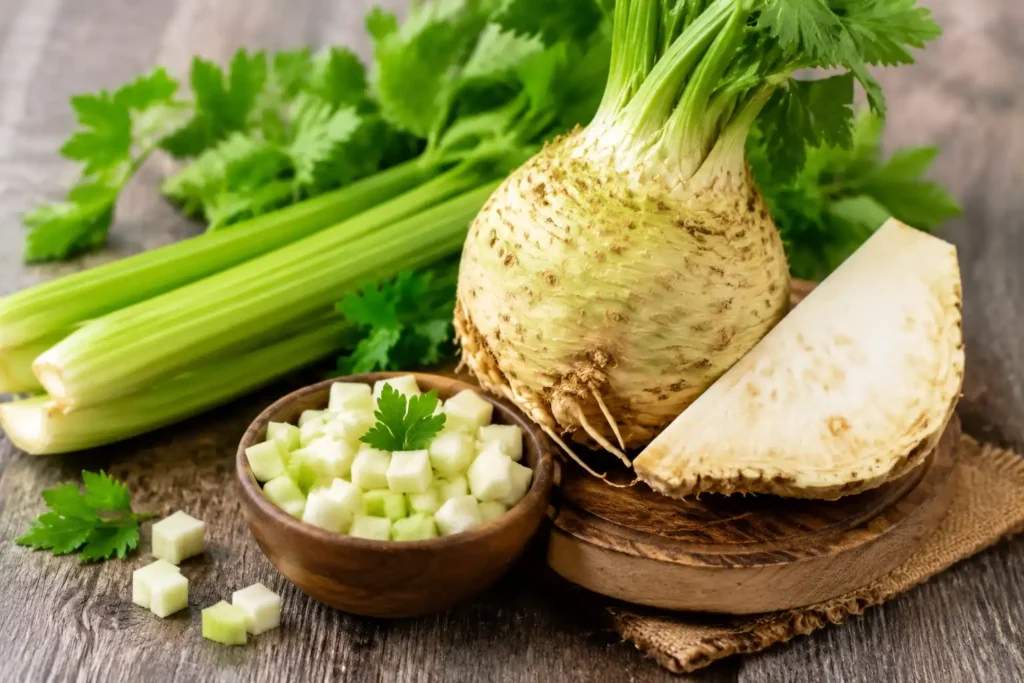
Celery soup
Made using celery root, onion, garlic, and carrot, slow-cooked to extract full flavor.
Celery juice
Made by blending celery stalks with water and optional lemon.
Roasted celeriac
Celeriac root is roasted with olive oil and herbs until golden and tender.
Celery seed seasoning
Celery seeds are used in pickles, spice blends, and seasoning mixes.
Storage Tips
Proper storage helps maintain freshness and nutrition:
- Wrap celery in aluminum foil to preserve moisture
- Store in refrigerator vegetable drawer
- Avoid storing near fruits such as apples and bananas that release ethylene gas
- Place stalks in water to maintain crispness
- Freeze chopped celery for long-term use
Possible Side Effects
Although generally safe, celery may cause side effects in some individuals:
- Allergic reactions in sensitive people
- Increased sun sensitivity due to psoralens
- Digestive discomfort if consumed in excess
- Mild diuretic effect
Pravi Celer vs Celeriac vs Celery Juice
| Form | Usage | Benefit |
| Stalks | Raw consumption | Hydration and snacks |
| Root (celeriac) | Cooking | Dense nutrition |
| Juice | Beverage | Quick nutrient absorption |
FAQ’s
1. Is pravi celer different from regular celery?
Yes, pravi celer includes the whole plant—stalks, leaves, seeds, and root—while regular celery usually refers only to the stalks.
2. Can I eat pravi celer every day?
Yes, it can be eaten daily in moderate amounts as part of a balanced diet. It is low in calories and rich in nutrients.
3. What is the best way to consume pravi celer?
It can be eaten raw, added to soups and stews, blended into juices, or used as seasoning through its leaves and seeds.
4. Does pravi celer help with weight loss?
Yes, it may support weight management because it is low in calories, high in water, and contains fiber that helps increase fullness.
5. Are there any side effects of eating celery?
In some people, celery may cause allergic reactions, mild digestive discomfort, or increased sun sensitivity if consumed in large amounts.
Conclusion
Pravi celer represents the complete and traditional form of celery that includes stalks, leaves, seeds, and root. Compared to modern trimmed celery, it offers higher nutritional value, stronger flavor, and greater culinary versatility.
It supports heart health, digestion, hydration, weight management, and overall wellness when included in a balanced diet. Its use in both cooking and gardening makes it a valuable plant for health-conscious individuals.