Jernsenger – Meaning, Origin, Uses, Benefits & Complete Guide (Iron Beds Explained)
Jernsenger is a Scandinavian term that refers to iron beds or metal bed frames. The word originates from Northern European languages such as Danish and Norwegian, where compound words are commonly used to describe everyday objects in a simple and direct way. In its basic form, Jernsenger represents strong, durable, and long-lasting beds made from iron or steel materials.
Today, Jernsenger is widely recognized in the furniture and interior design industry due to its durability, timeless appearance, and practical advantages. It is used in both traditional and modern contexts, especially in discussions related to home furniture, interior styling, and long-lasting bed structures. This article provides a complete explanation of Jernsenger, including its meaning, origin, historical importance, uses, benefits, design styles, sustainability aspects, and future relevance.
Jernsenger means iron beds from Scandinavian origin, known for strength, durability, and timeless design used in homes, hotels, hospitals, and modern interiors.
- Meaning of Jernsenger
- Origin of Jernsenger
- Historical Importance of Jernsenger
- Uses of Jernsenger (Iron Beds)
- Benefits of Jernsenger
- Popular Styles of Jernsenger
- Jernsenger vs Wooden Beds
- Modern Interior Design Trends
- Sustainability and Eco-Friendly Aspect
- Future of Jernsenger
- FAQ’s
- Conclusion
- Related post
Meaning of Jernsenger
The word “Jernsenger” is made up of two separate linguistic parts:
- Jern = Iron
- Senger = Beds
When combined, the term literally means:
Iron Beds
Traditionally, Jernsenger refers to beds that are constructed using iron or steel frames instead of wood. These beds are known for their strength, stability, and long service life. Unlike wooden beds that may weaken over time due to moisture or insects, iron beds maintain their structure for many years with minimal damage.
The simplicity of the term reflects Scandinavian language patterns, where practical objects are named using descriptive compound words.
Origin of Jernsenger
Jernsenger originates from Scandinavian regions, particularly Denmark and Norway. These regions have a long history of metalwork and functional furniture design. During the early industrial development in Europe, furniture manufacturing began shifting from traditional wooden construction to stronger metal-based alternatives.

Iron beds became especially popular in the 18th and 19th centuries due to several important reasons:
- Wood was easily affected by termites, moisture, and decay
- Iron offered significantly higher strength and durability
- Metal casting techniques improved during the industrial revolution
- Mass production made iron furniture more accessible
As a result, iron beds gradually became a standard household item across Europe. They were widely adopted not only in homes but also in public institutions such as hospitals and military barracks.
Historical Importance of Jernsenger
Jernsenger holds significant historical value in European furniture evolution. During the Victorian era, iron beds were not only functional but also decorative pieces of furniture. Skilled craftsmen created beautifully designed frames featuring curves, floral patterns, and artistic headboards.
Iron beds were commonly used in:
- Military sleeping quarters for durability
- Hospitals for hygiene and easy cleaning
- Middle-class homes as affordable yet strong furniture
- Upper-class homes as decorative luxury items
In many cases, owning a well-designed iron bed was considered a symbol of stability and taste. Over time, Jernsenger became associated with both practicality and elegance.
Uses of Jernsenger (Iron Beds)
In modern times, Jernsenger is widely used in different environments due to its versatility and strength.
Residential Homes
Iron beds are commonly used in bedrooms because they offer a balance of durability and simple design. Many homeowners prefer them for their long lifespan and minimal maintenance requirements.
Hotels and Guest Houses
Hotels frequently use iron beds because they can withstand continuous use. They are strong, stable, and cost-effective over time, making them suitable for commercial hospitality environments.
Hospitals and Healthcare Facilities
In healthcare settings, cleanliness and durability are extremely important. Iron beds are preferred because they are easy to clean, resistant to damage, and capable of supporting medical equipment when needed.
Hostels and Dormitories
Student hostels and shared living spaces often use iron beds because they are affordable, long-lasting, and easy to replace or repair when required.
Benefits of Jernsenger
Jernsenger offers several important advantages that make it a popular choice in furniture design.
High Durability
Iron beds are extremely strong and can last for decades without losing structural integrity.
Low Maintenance
They require very little maintenance compared to wooden furniture, making them convenient for long-term use.
Pest and Termite Resistance
Unlike wood, iron is not affected by termites, insects, or fungal damage.
Strong Weight Capacity
Iron beds can support heavy loads without bending or breaking, making them suitable for all users.
Cost Efficiency
Although the initial cost may vary, their long lifespan makes them highly economical in the long run.
Design Flexibility
Modern iron beds are available in multiple styles, including minimalist, industrial, vintage, and luxury designs.
Popular Styles of Jernsenger
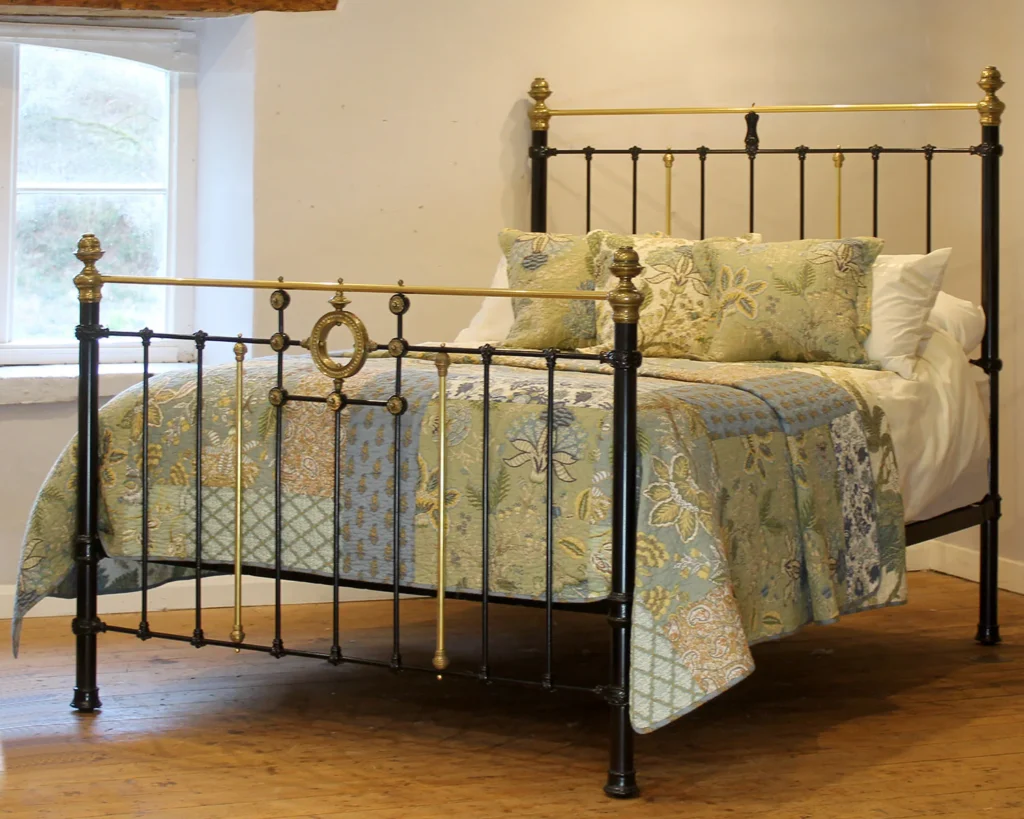
Victorian Iron Beds
These beds feature decorative designs, curved edges, and artistic detailing, representing classic European craftsmanship.
Minimalist Metal Beds
Simple and clean designs focused on functionality and modern aesthetics.
Industrial Style Beds
Inspired by urban lofts, these beds often have raw metal finishes and bold structures.
Contemporary Hybrid Beds
Modern designs that combine metal with wood, fabric, or upholstery for enhanced comfort and style.
Jernsenger vs Wooden Beds
| Feature | Iron Beds (Jernsenger) | Wooden Beds |
| Durability | Very High | Medium |
| Maintenance | Low | Medium to High |
| Pest Resistance | Yes | No |
| Lifespan | Long | Moderate |
| Cost Efficiency | High (long-term) | Moderate |
| Design Variety | High | High |
This comparison clearly shows that iron beds are more suitable for long-term and heavy usage environments.
Modern Interior Design Trends
In modern interior design, Jernsenger has regained popularity. Designers now use iron beds not just as functional furniture but also as aesthetic centerpieces.
Popular trends include:
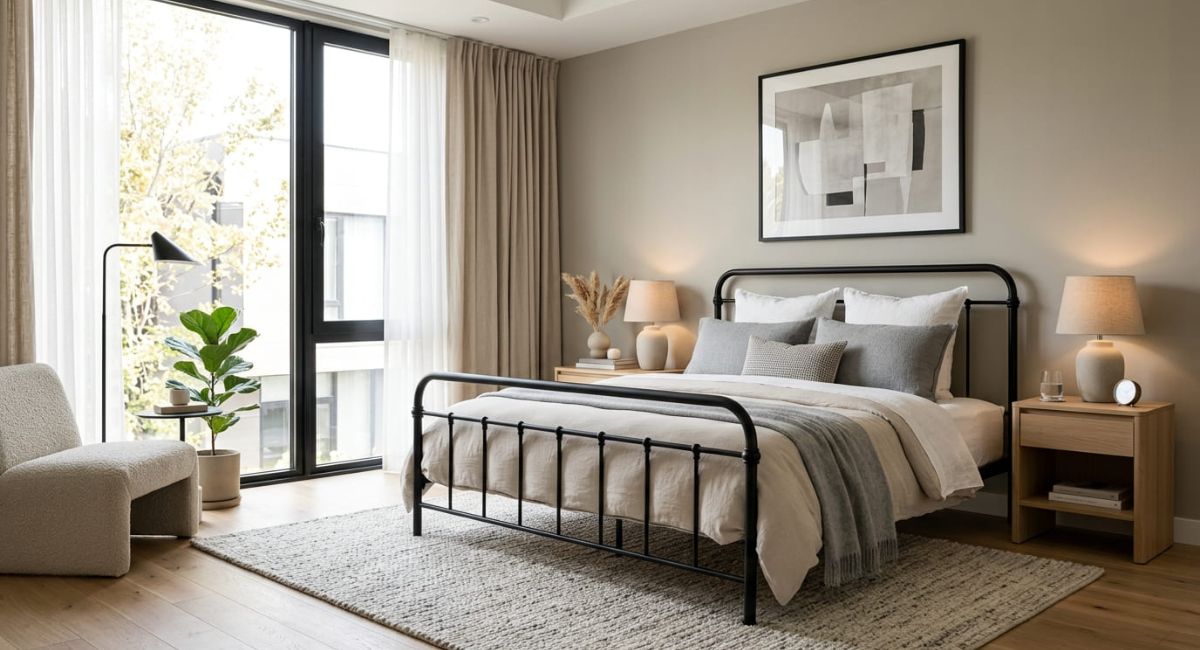
- Matte black iron frames for modern bedrooms
- Scandinavian minimalist designs with clean lines
- Luxury finishes in gold, bronze, or antique styles
- Hybrid materials combining metal with wood or fabric
These styles make iron beds suitable for both traditional and contemporary interiors.
Sustainability and Eco-Friendly Aspect
Jernsenger also supports sustainable furniture practices because:
- Metal is fully recyclable
- Long lifespan reduces furniture waste
- Frames can be reused or repainted
- Less frequent replacement reduces environmental impact
Due to these factors, iron beds are considered an eco-friendly furniture choice in modern sustainable design practices.
Future of Jernsenger
The future of iron beds looks promising as furniture technology continues to evolve. Innovations in this area include:
- Lightweight metal alloys for easier handling
- Smart furniture integration such as charging ports
- Modular and space-saving bed designs
- Eco-friendly coatings and anti-rust technology
- Multi-functional beds with storage systems
As interior design trends continue to evolve, Jernsenger will remain an important part of both functional and aesthetic furniture solutions.
FAQ’s
1. What does Jernsenger mean?
Jernsenger is a Scandinavian word that literally means iron beds or metal bed frames.
2. Where does the term Jernsenger come from?
It originates from Scandinavian countries such as Denmark and Norway, where “jern” means iron and “senger” means beds.
3. Why are iron beds (Jernsenger) popular?
They are popular because they are strong, durable, long-lasting, and require very little maintenance.
4. Are iron beds better than wooden beds?
Iron beds are generally more durable, pest-resistant, and cost-effective in the long term compared to wooden beds.
5. Is Jernsenger still used today?
Yes, iron beds are widely used in homes, hotels, hospitals, and modern interior design due to their practicality and stylish appearance.
Conclusion
Jernsenger, meaning iron beds, is a traditional Scandinavian term known for strength, durability, and timeless design. It is widely used in homes, hotels, hospitals, and hostels due to its practicality and long life. Its affordability, low maintenance, and modern design flexibility make it a reliable furniture choice. With sustainability trends, Jernsenger will remain relevant in future interior design.