What Happens When a Motherboard Fails – Complete Guide (2026)!
The keyword what happens if the motherboard dies is an important and commonly searched question among PC users, gamers, students, and professionals. The motherboard is the central backbone of a computer system, and when it fails, the entire system stops working instantly. Unlike other components like RAM or storage, a motherboard failure can completely shut down a computer. In this guide, we will explain its effects, symptoms, causes, repair options, and prevention in a simple and clear way.
Learn what happens if the motherboard dies, including system failure signs, causes, and solutions. Understand repair options and data safety tips easily.
- What is a Motherboard and Why is It So Important?
- What Happens When the Motherboard Dies?
- Symptoms of a Failing or Dead Motherboard
- Main Causes of Motherboard Failure
- What Actually Happens Inside the System When It Dies?
- Can a Dead Motherboard Be Repaired?
- What Should You Do If the Motherboard Dies?
- Does Motherboard Failure Affect Data?
- How to Prevent Motherboard Failure
- Future Reliability of Motherboards
- FAQs
- Conclusion
- Related post
What is a Motherboard and Why is It So Important?
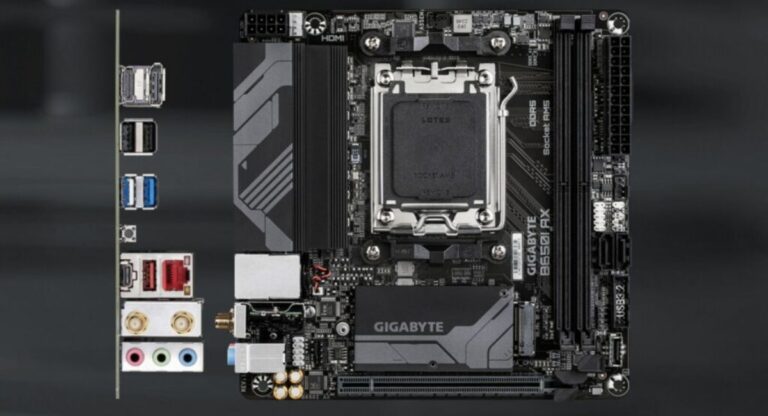
A motherboard is the main circuit board inside a computer that connects all hardware components together. It allows communication between the CPU, RAM, GPU, storage devices, and other peripherals.
Without a motherboard, no computer can function because there would be no system to transfer data or control power between components.
Think of the motherboard as the“central nervous system” of a computer. Just like nerves connect the brain to the rest of the body, the motherboard connects every part of a computer and allows them to work together. If it stops working, the entire system shuts down.
Learn what happens if the motherboard dies, including system failure signs, causes, and solutions. Understand repair options and data safety tips easily.
What Happens When the Motherboard Dies?
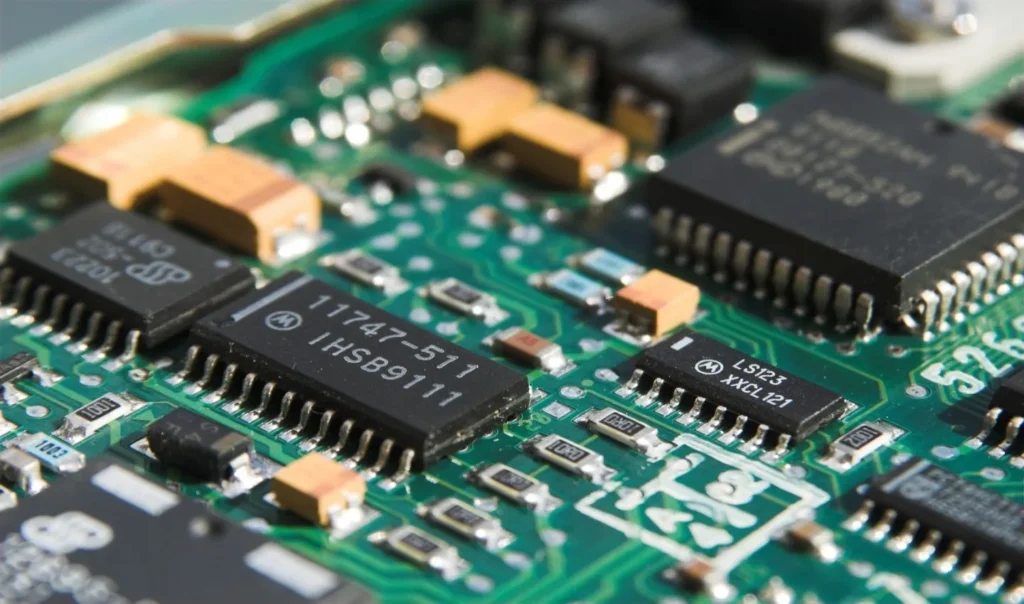
When a motherboard fails completely, the computer becomes unusable. It is one of the most serious hardware failures in any PC.
1. The Computer Does Not Turn On
The most common sign is that the system does not power up at all. Even if the power supply is working, pressing the power button does nothing.
2. No Display Output
Sometimes fans or lights may turn on, but there will be no display on the monitor because the system cannot initialize hardware components.
3. No BIOS Access
The BIOS (Basic Input Output System) is stored on the motherboard. If the motherboard dies, the BIOS cannot load, and the system cannot start.
4. Complete Hardware Failure
CPU, RAM, GPU, and storage devices all depend on the motherboard. If it fails, all components become useless until replaced or tested in another system.
5. Random or No Response
In some cases, the system may show no response at all when the power button is pressed, which is a strong sign of motherboard failure.
Symptoms of a Failing or Dead Motherboard
Before a motherboard completely dies, it often shows warning signs. Recognizing these symptoms early can help prevent full system failure.
Common Symptoms
- System randomly shuts down
- Computer freezes frequently
- No power response when turned on
- Repeated beep sounds during startup
- USB ports stop working
- Burning smell or visible damage
- System restarts unexpectedly
These symptoms usually appear gradually as the motherboard starts failing. Ignoring them can lead to a complete breakdown where the system stops working entirely without warning.
Main Causes of Motherboard Failure
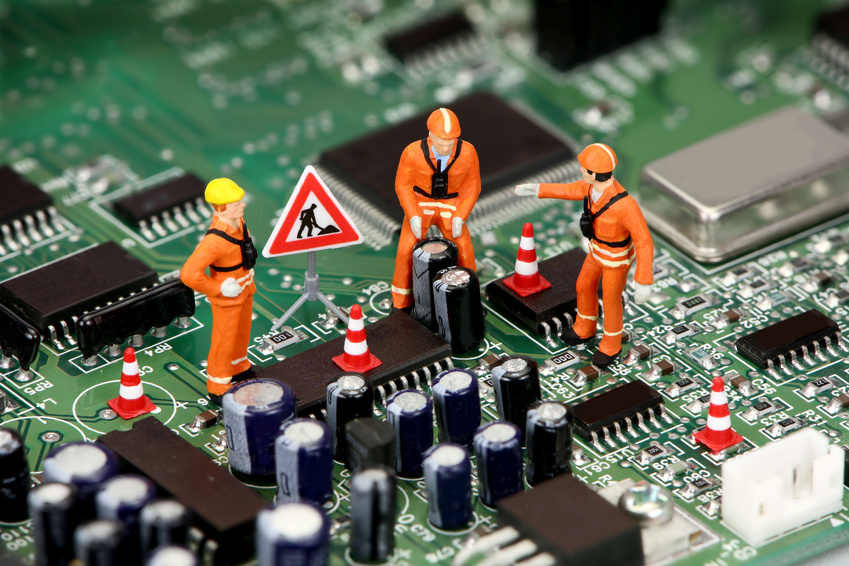
There are several reasons why a motherboard can fail or completely die.
1. Overheating
Excess heat is one of the biggest enemies of a motherboard. Poor cooling or dust buildup can damage circuits over time.
2. Power Surges
Sudden voltage spikes from electricity can burn sensitive motherboard components instantly.
3. Physical Damage
Dropping the PC or applying pressure on the board can damage internal circuits.
4. Moisture and Dust
Water exposure or heavy dust accumulation can cause short circuits and corrosion.
5. Aging Components
Over time, capacitors and electronic parts naturally degrade, leading to failure.
Most motherboard failures are not sudden. They usually happen due to a combination of heat, poor power supply, and long-term wear and tear. Proper care can significantly extend motherboard life.
What Actually Happens Inside the System When It Dies?
When a motherboard fails, communication between components stops completely.
The CPU cannot send or receive instructions, RAM cannot store temporary data, and storage devices cannot load the operating system. Even though these parts may still be physically fine, they cannot function without the motherboard acting as the communication bridge.
This is why a motherboard failure feels like the entire computer has “died.”
Can a Dead Motherboard Be Repaired?
In most cases, a completely dead motherboard is very difficult to repair.
If minor components like capacitors or connectors are damaged, a skilled technician may repair it. However, if the main chipset or internal circuits are damaged, repair is usually not possible or cost-effective. In such cases, replacing the motherboard is the only practical solution.
What Should You Do If the Motherboard Dies?
If your motherboard stops working, you have a few options.
1. Replace the Motherboard
The most common solution is to buy a new compatible motherboard based on your CPU and RAM.
2. Check Warranty
If your motherboard is still under warranty, you may get a replacement or repair from the manufacturer.
3. Recover Your Data
Your data is stored in SSD or HDD, not the motherboard. You can connect your storage drive to another computer and access your files easily.
A motherboard failure does not mean your data is lost. It only means the system cannot operate until the hardware is replaced or repaired.
Does Motherboard Failure Affect Data?
No, the motherboard itself does not store any data.
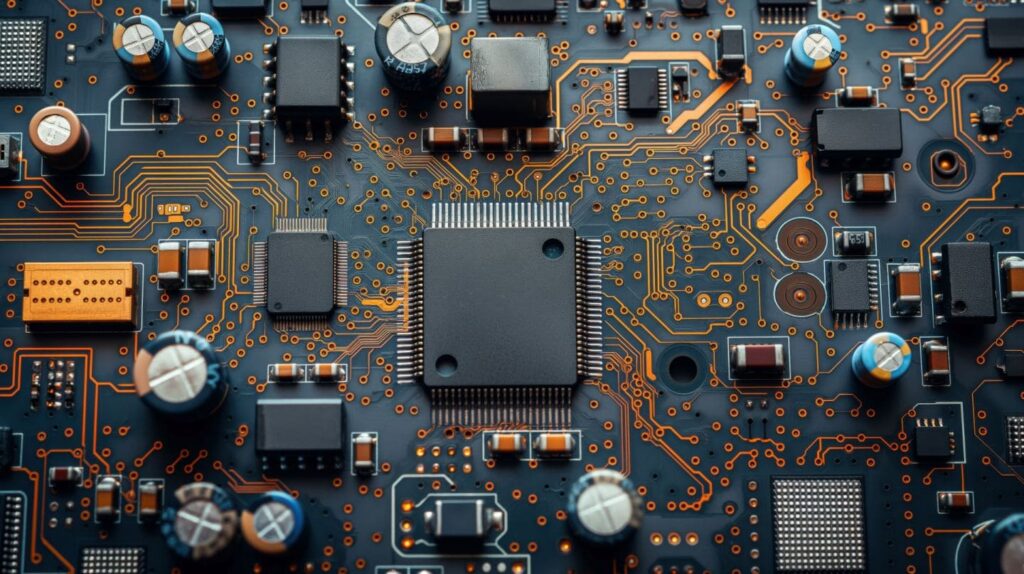
All personal files, documents, photos, and software are stored on storage devices like SSDs or hard drives. So even if the motherboard dies, your data remains safe and recoverable.
How to Prevent Motherboard Failure
Prevention is always better than replacement. Taking proper care can extend motherboard life significantly.
Important Tips
- Use a high-quality power supply (PSU)
- Install a surge protector
- Keep the system clean from dust
- Ensure proper airflow and cooling
- Avoid liquid exposure
- Do not overclock aggressively
- Handle the PC carefully during upgrades
Most motherboard failures happen due to poor maintenance rather than manufacturing defects. Simple precautions can save you from expensive repairs or replacements.
Future Reliability of Motherboards
Modern motherboards are becoming more advanced and durable.
With improved manufacturing technology, better power delivery systems, and stronger materials, modern motherboards last longer than older generations.
However, they are still sensitive electronic components that require care and stable power conditions.
FAQs
1. What happens if the motherboard dies?
If the motherboard dies, the computer will not turn on and all hardware components will stop functioning.
2. Can a dead motherboard be repaired?
Minor issues can sometimes be repaired, but in most cases, replacement is required.
3. Does motherboard failure cause data loss?
No, data is stored on SSD or HDD, so it remains safe even if the motherboard fails.
4. What are the signs of motherboard failure?
Common signs include no power, random shutdowns, system freezing, and no display output.
5. How long does a motherboard last?
A motherboard usually lasts between 5 to 10 years depending on usage, quality, and maintenance.
Conclusion
Understanding what happens if the motherboard dies is important for every computer user. When it fails, the entire system stops working because it connects all components. Your data usually remains safe, and replacing the motherboard can restore the PC. Proper maintenance, good power supply, and careful usage help prevent failure and ensure long-term performance and reliability.