Nintendo Wii Motherboard- Architecture, Features, and Technical Overview
The Nintendo Wii motherboard is the central circuit board that powers the iconic Nintendo Wii gaming console, one of the most popular systems in gaming history. It integrates critical components such as the CPU, GPU, memory, and connectivity modules into a compact and efficient design. Known for its innovative motion-based gameplay, the Wii’s motherboard plays a key role in delivering smooth performance, reliability, and energy efficiency for millions of users worldwide.
Explore Nintendo Wii motherboard design, features, and architecture. Learn how this gaming console circuit board delivers efficient performance and reliability
- What is a Nintendo Wii Motherboard?
- Design Philosophy of Wii Motherboard
- Key Components of Nintendo Wii Motherboard
- Architecture of Nintendo Wii Motherboard
- How Nintendo Wii Motherboard Works
- Features of Nintendo Wii Motherboard
- Benefits of Nintendo Wii Motherboard Design
- Thermal Management System
- Gaming Performance of Wii Motherboard
- Wireless Technology Integration
- Manufacturing Process of Wii Motherboard
- Common Issues in Wii Motherboard
- Repair and Maintenance
- Comparison with Modern Gaming Motherboards
- Applications of Wii Motherboard Technology
- Legacy of Nintendo Wii Motherboard
- Future Influence of Wii Design Principles
- FAQ’s
- Conclusion
- Related post
What is a Nintendo Wii Motherboard?
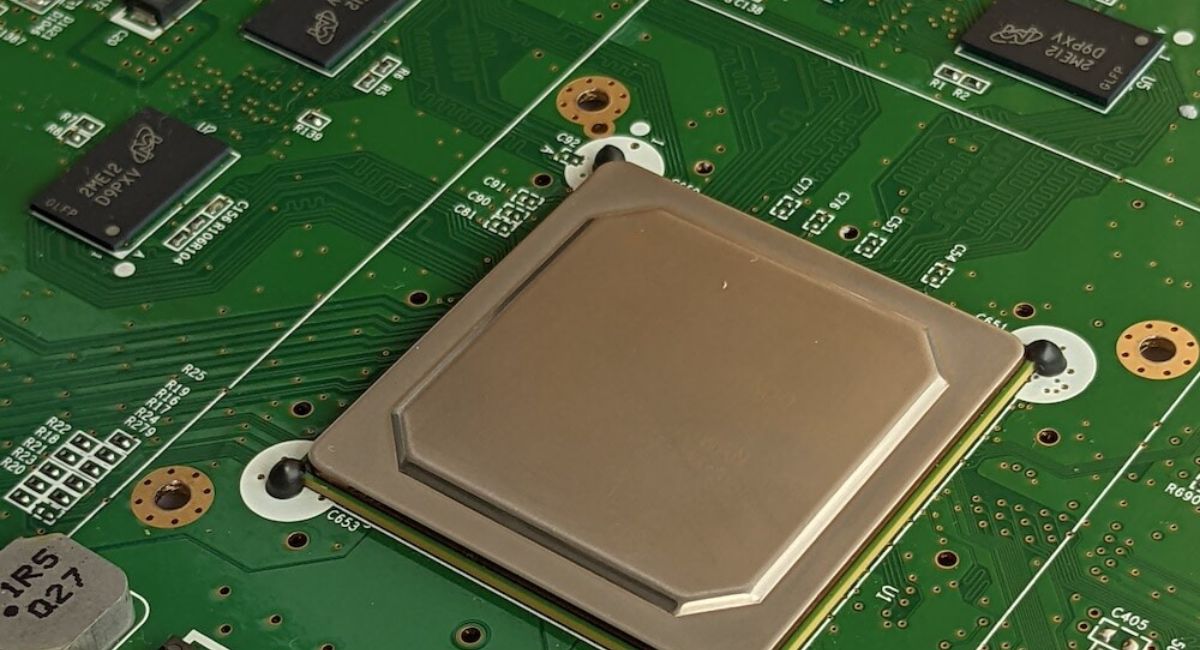
The Nintendo Wii motherboard is the primary printed circuit board (PCB) inside the console that connects and controls all hardware components.
It manages communication between the processor, graphics system, memory modules, and external devices such as controllers and sensors.
Unlike modern high-end gaming systems, the Wii motherboard is designed for efficiency rather than raw power, focusing on low energy consumption and stable performance for casual and family gaming experiences.
Design Philosophy of Wii Motherboard
The design of the Wii motherboard is centered around simplicity, cost efficiency, and compact engineering.
Nintendo aimed to create a system that was affordable yet capable of delivering engaging gameplay experiences.
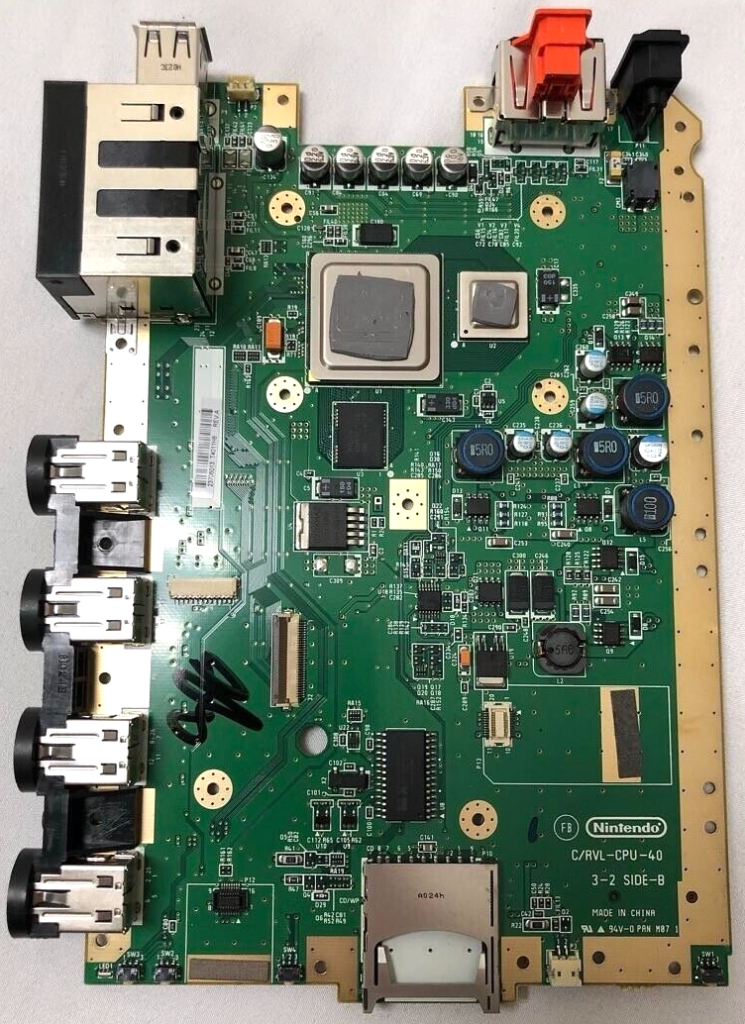
Instead of focusing on extreme hardware performance, the motherboard prioritizes optimized processing, smooth graphics rendering, and low power usage, making it suitable for long gaming sessions without overheating.
Key Components of Nintendo Wii Motherboard
CPU (Broadway Processor)
The Wii uses the IBM Broadway CPU, a PowerPC-based processor running at approximately 729 MHz. It handles all core processing tasks, including game logic and system operations.
GPU (Hollywood Graphics Chip)
The ATI Hollywood GPU manages graphics rendering. It is designed to deliver smooth visuals at standard definition, optimized for Wii’s gaming style rather than high-resolution output.
Memory (RAM)
The motherboard includes 24MB of main RAM and additional embedded memory within the GPU. This ensures fast data access for smooth gameplay.
Storage Controller
It supports internal flash storage along with external SD card expansion for saving games and data.
Connectivity Modules
The motherboard includes Wi-Fi support, USB ports, and wireless controller communication systems.
Audio System
Integrated audio processing ensures clear sound output for games and multimedia.
Architecture of Nintendo Wii Motherboard
The architecture of the Wii motherboard is designed to balance performance and efficiency.
All components are tightly integrated to minimize latency and improve communication speed between hardware units.
The system uses a bus-based architecture, allowing the CPU and GPU to communicate efficiently through shared pathways. This design reduces complexity and keeps manufacturing costs low.
How Nintendo Wii Motherboard Works
The Wii motherboard functions as the central hub of the console. When a game is launched, the CPU processes instructions, while the GPU renders graphics simultaneously.
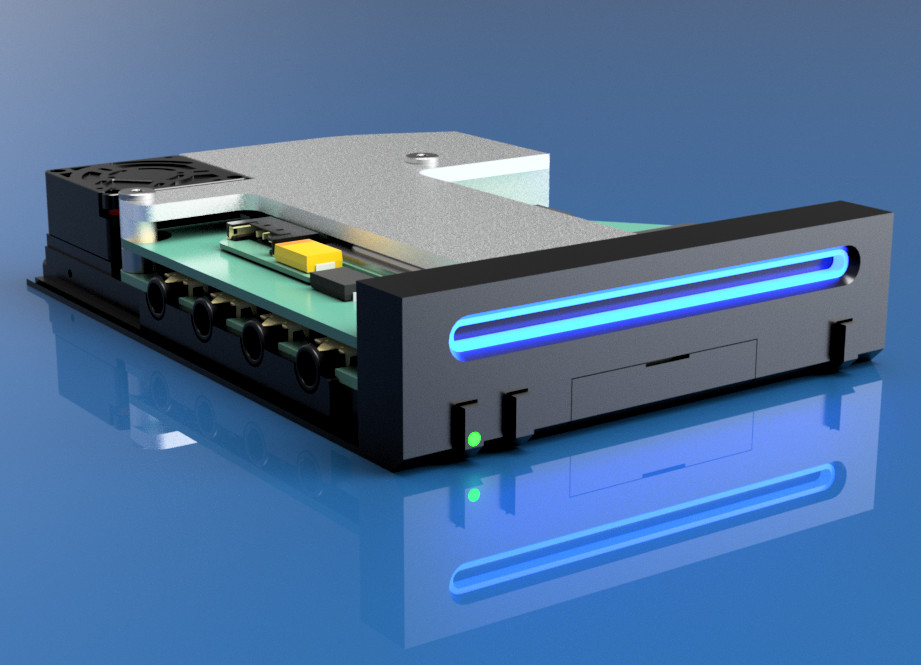
The memory system temporarily stores game data, ensuring smooth transitions and fast loading times.
Input from controllers is processed through wireless modules, allowing real-time interaction with the game environment.
Features of Nintendo Wii Motherboard
- Compact PCB design for space efficiency
- Low power consumption architecture
- Integrated wireless connectivity
- Optimized CPU-GPU coordination
- Stable thermal performance
- Cost-effective hardware design
Benefits of Nintendo Wii Motherboard Design
- Energy efficiency for long gaming sessions
- Affordable manufacturing cost
- Reliable performance for casual gaming
- Low heat generation
- Simple hardware architecture
- Durability and long lifespan
Thermal Management System
The Wii motherboard is designed with an efficient thermal management system. Since the hardware is not power-intensive, it generates minimal heat.
A small heatsink and cooling fan are sufficient to maintain optimal operating temperatures, ensuring long-term stability and performance.
Gaming Performance of Wii Motherboard
While not designed for high-definition gaming, the Nintendo Wii motherboard excels in delivering smooth and responsive gameplay for motion-based titles.
Games are optimized to run efficiently on its hardware, focusing on gameplay mechanics rather than graphical intensity. This makes it ideal for family-friendly entertainment.
Wireless Technology Integration
One of the most important features of the Wii motherboard is its wireless technology integration.
It supports Wi-Fi connectivity and communicates with Wii Remotes using Bluetooth technology.
This allows players to interact with games through motion sensing, making the Wii a revolutionary gaming console in its era.
Manufacturing Process of Wii Motherboard
Circuit Design
Engineers design the schematic layout, defining how components interact.
PCB Fabrication
The physical circuit board is manufactured with layered materials.
Component Placement
CPU, GPU, and memory chips are carefully placed on the board.
Soldering and Assembly
All components are permanently attached using automated soldering systems.
Testing Phase
Each motherboard is tested for performance, durability, and stability.
Final Integration
Approved boards are installed into Wii consoles for distribution.
Common Issues in Wii Motherboard
- Overheating due to dust accumulation
- Power supply failures
- GPU-related graphical glitches
- Corrupted memory modules
- Wireless connectivity issues
Repair and Maintenance
Repairing a Nintendo Wii motherboard requires technical expertise. Common fixes include replacing faulty capacitors, repairing solder joints, and cleaning internal components.
Proper maintenance such as dust cleaning and proper ventilation helps extend motherboard lifespan.
Comparison with Modern Gaming Motherboards
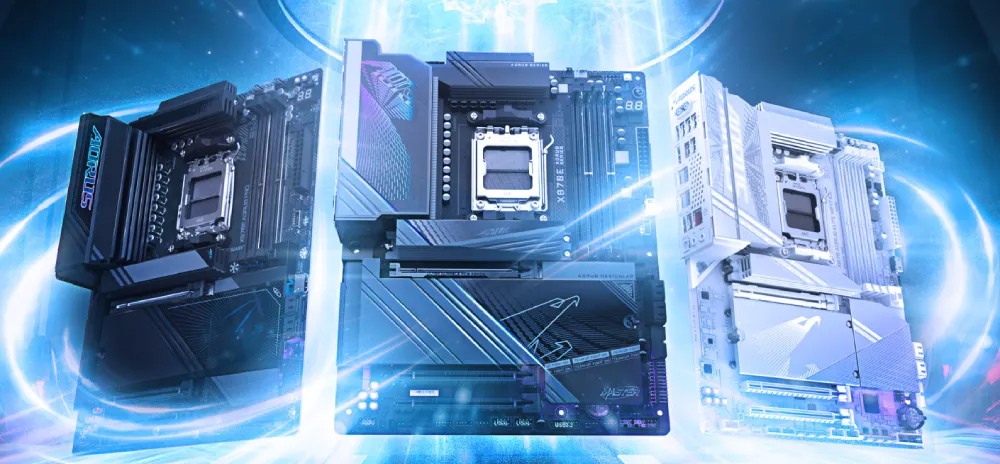
- Wii motherboard focuses on efficiency, modern boards focus on performance
- Wii uses low-power hardware, modern systems use high-power GPUs and CPUs
- Wii supports standard definition graphics, modern systems support 4K/8K resolution
- Wii is designed for casual gaming, modern systems target professional gaming
Applications of Wii Motherboard Technology
Although primarily used in gaming, the design concepts of the Wii motherboard influenced other technologies such as:
- Embedded systems design
- Energy-efficient computing devices
- Wireless gaming controllers
- Compact hardware engineering
Legacy of Nintendo Wii Motherboard
The Nintendo Wii motherboard played a crucial role in shaping modern gaming experiences. Its innovative design made motion-based gaming mainstream and influenced future console development.
It remains an example of how efficient engineering can deliver massive success without requiring extreme hardware specifications.
Future Influence of Wii Design Principles
The design principles of the Wii motherboard continue to inspire modern hardware development. Focus areas include:
- Energy-efficient computing
- Compact system architecture
- Wireless integration technologies
- Affordable hardware solutions
These principles are now widely used in mobile devices, IoT systems, and smart appliances.
FAQ’s
1.What is a Nintendo Wii motherboard?
The Nintendo Wii motherboard is the main circuit board inside the Wii console that connects all hardware components like CPU, GPU, memory, and wireless modules.
2.Is the Wii motherboard powerful?
It is not designed for high-end performance but focuses on efficiency, stability, and smooth gameplay for casual users.
3.Can the Wii motherboard be repaired?
Yes, it can be repaired by fixing hardware components such as capacitors, solder joints, and memory modules.
4.Why was the Wii motherboard designed differently?
It was designed to prioritize affordability, energy efficiency, and innovative gameplay experience rather than raw computing power.
5.How does the Nintendo Wii motherboard handle motion controls?
It processes motion data through integrated wireless communication modules and translates it into real-time in-game actions for responsive gameplay.
Conclusion
The Nintendo Wii motherboard is a remarkable example of efficient hardware engineering that prioritizes simplicity, performance balance, and innovation. Despite its modest specifications, it revolutionized gaming through motion controls and wireless interaction. Its compact design, low power consumption, and reliable performance made it a global success. Even today, it remains an important milestone in the evolution of gaming technology and console design.