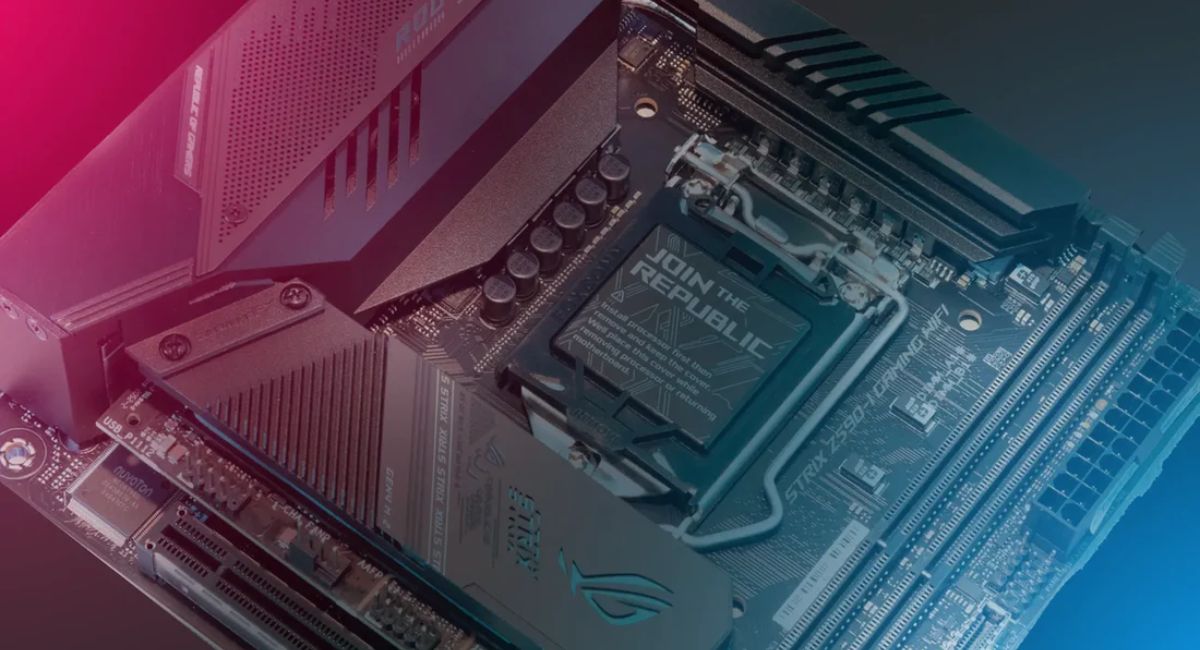
Custom Motherboards- Design, Features, and Benefits Explained
Custom motherboards are specially designed circuit boards created to meet specific performance, size, and functionality requirements. Unlike standard off-the-shelf options, they are tailored for unique applications such as gaming systems, industrial machines, and embedded devices. These boards offer enhanced flexibility, improved efficiency, and better hardware compatibility. Businesses and tech enthusiasts prefer custom solutions to achieve optimized performance, scalability, and long-term reliability in modern computing environments and demanding technological applications today.
Explore custom motherboards designed for performance, flexibility, and efficiency. Learn features, benefits, types, and applications for optimized computing solutions.
- What Are Custom Motherboards?
- Why Choose Custom Motherboards?
- Key Features of Custom Motherboards
- Benefits of Custom Motherboards
- Types of Custom Motherboards
- Design Process of Custom Motherboards
- Components Used in Custom Motherboards
- Applications of Custom Motherboards
- Custom vs Standard Motherboards
- Challenges in Custom Motherboard Development
- Future Trends in Custom Motherboards
- FAQ’s
- Conclusion
- Related post
What Are Custom Motherboards?
Custom motherboards are printed circuit boards (PCBs) engineered according to specific requirements rather than mass-market standards. They are designed to support selected processors, RAM configurations, storage interfaces, and connectivity options.
Unlike generic motherboards, custom solutions focus on precision engineering, ensuring all components work seamlessly together.
These boards are widely used in industries where performance, durability, and efficiency are critical.
By eliminating unnecessary features and focusing only on required functionalities, custom motherboards provide a streamlined and effective computing solution.
Why Choose Custom Motherboards?
Opting for custom motherboards offers multiple benefits compared to traditional designs.
Standard motherboards often include features that may not be required, leading to wasted resources and inefficiency.
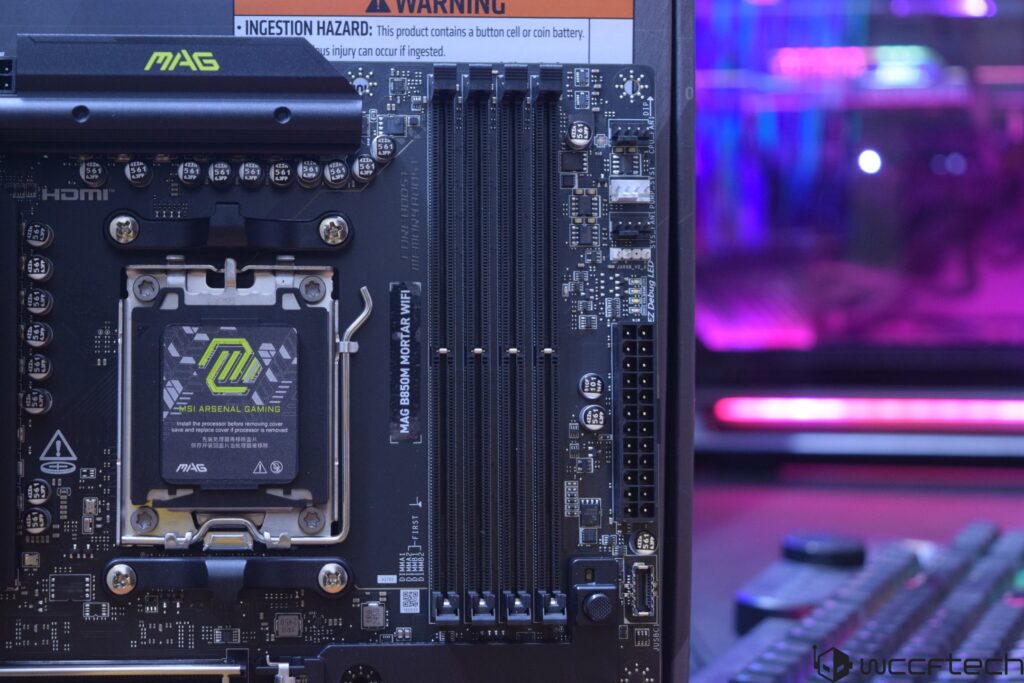
Custom solutions allow businesses and individuals to design hardware that perfectly matches their needs.
This results in improved system optimization, better thermal management, and reduced power consumption. Additionally, custom boards ensure compatibility with specialized hardware components, which is essential for complex or industry-specific applications.
Key Features of Custom Motherboards
- Tailored form factors designed for specific devices and enclosures
- Optimized power delivery systems for stable performance
- Advanced cooling mechanisms to prevent overheating
- Custom I/O ports for enhanced connectivity
- High compatibility with specialized hardware components
- Robust build quality for long-term durability
Benefits of Custom Motherboards
- Improved performance through hardware optimization
- Greater design flexibility and customization
- Reduced system limitations
- Enhanced scalability for future upgrades
- Better reliability in demanding environments
- Long-term cost efficiency
Types of Custom Motherboards
Industrial Motherboards
Industrial custom motherboards are built for harsh environments such as factories and manufacturing plants.
They are designed to withstand extreme temperatures, vibrations, and dust exposure. These boards often feature extended lifecycles and robust materials to ensure consistent performance over time.
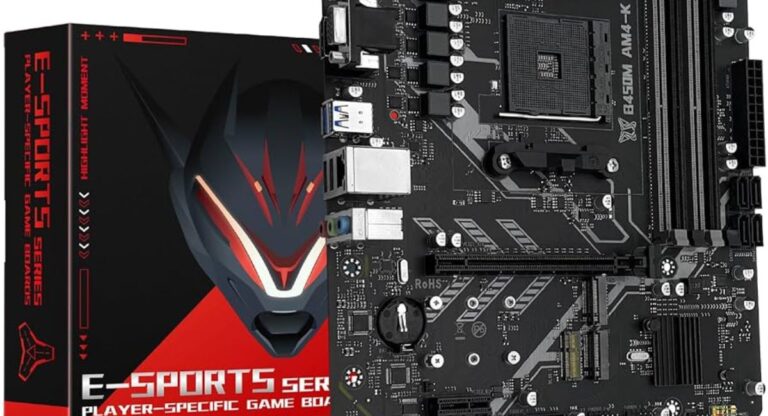
Gaming Motherboards
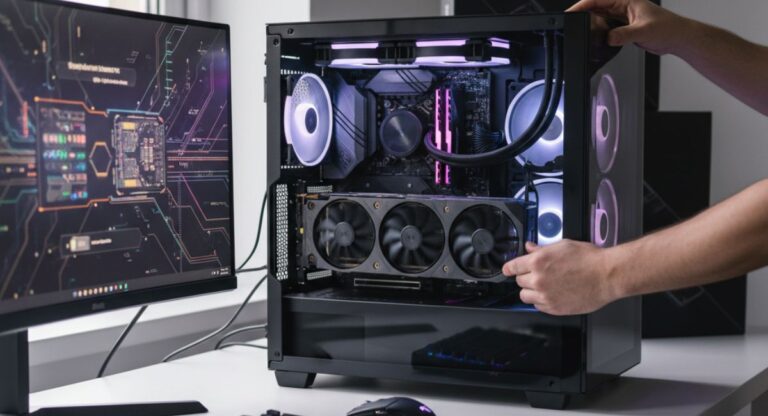
Custom gaming motherboards are optimized for high-speed performance and advanced graphics processing.
They support powerful GPUs, high-frequency RAM, and advanced cooling systems. These boards are designed to handle demanding games and provide a smooth user experience.
Embedded Motherboards
Embedded motherboards are compact and energy-efficient solutions used in devices such as ATMs, medical equipment, and smart appliances.
They are designed for specific functions and often operate continuously for long periods without failure.
Server Motherboards
Custom server motherboards are used in data centers and enterprise environments. They focus on high processing power, scalability, and reliability. These boards often support multiple processors and large amounts of memory.
Mini-ITX and Small Form Factor Boards
These compact motherboards are designed for systems with limited space. Despite their small size, they deliver impressive performance and are commonly used in portable devices and compact PCs.
Design Process of Custom Motherboards
Requirement Analysis
The process begins with identifying the specific needs of the system, including performance requirements, environmental conditions, and connectivity options.
Schematic Design
Engineers create detailed circuit diagrams that define how different components will interact with each other.
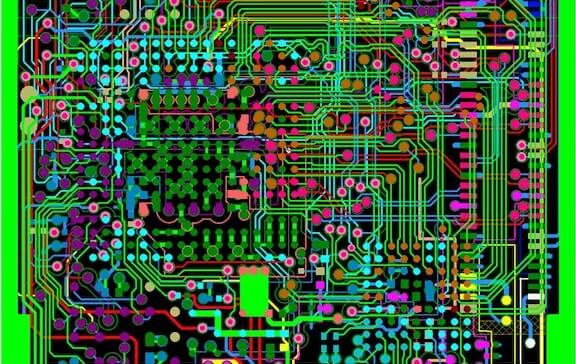
PCB Layout Design
This stage involves placing components on the board and routing electrical connections. Proper layout design ensures minimal signal interference and optimal performance.
Prototyping
A prototype is developed to test the design in real-world conditions.This stage allows engineers to detect and resolve potential problems before moving into full-scale production.
Testing and Validation
Extensive testing is conducted to ensure the motherboard meets quality standards, durability requirements, and performance benchmarks.
Mass Production
Once the design is finalized and approved, the motherboard is manufactured in bulk for deployment.
Components Used in Custom Motherboards
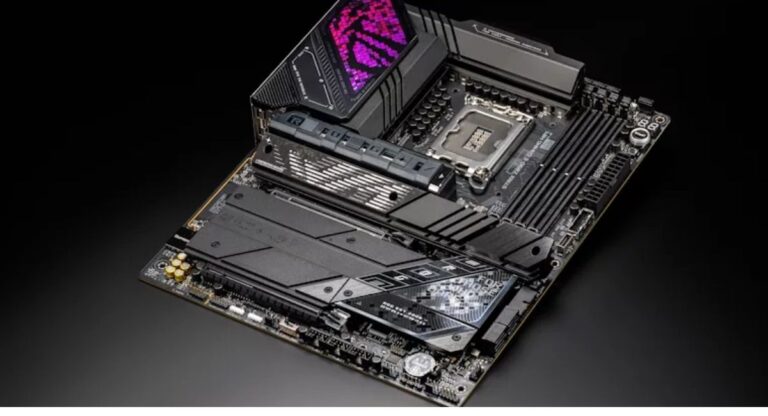
- CPU socket for processor installation
- Memory slots (RAM) for system memory
- Chipset for communication between components
- Power connectors and regulators for stable energy supply
- PCIe slots for expansion cards
- Storage interfaces such as SATA and NVMe
- Input/Output ports for external connectivity
Each component is carefully selected to ensure compatibility and optimal performance.
Applications of Custom Motherboards
Healthcare Industry
Custom motherboards are used in medical imaging systems, patient monitoring devices, and other healthcare equipment where precision and reliability are critical.
Automotive Industry
They are integrated into advanced driver assistance systems (ADAS), infotainment systems, and electric vehicle control units.
Aerospace Sector
Custom boards are designed for extreme environments, ensuring consistent performance in high-altitude and high-pressure conditions.
Gaming and Entertainment
High-performance custom motherboards are used in gaming PCs, consoles, and virtual reality systems.
Industrial Automation
These boards power robotics, control systems, and automated machinery, improving efficiency and productivity.
Custom vs Standard Motherboards
Custom motherboards differ significantly from standard ones in several ways.
- Custom boards offer tailored features based on requirements
- Standard boards come with fixed configurations
- Custom solutions provide better system optimization
- Standard motherboards are more affordable initially
- Custom boards deliver long-term efficiency and scalability
Challenges in Custom Motherboard Development
- High initial investment in design and development
- Longer production timelines compared to standard boards
- Need for specialized engineering expertise
- Complex testing and validation processes
Despite these challenges, the benefits often outweigh the drawbacks, especially in specialized applications.
Future Trends in Custom Motherboards
The future of custom motherboards is driven by innovation and technological advancements.
- Integration of artificial intelligence (AI) capabilities
- Growth of Internet of Things (IoT) connectivity
- Development of energy-efficient designs
- Increased demand for compact and portable systems
- Use of eco-friendly materials in manufacturing
These trends indicate that custom motherboards will continue to evolve and play a key role in modern technology.
FAQ’s
1.What are custom motherboards used for?
Custom motherboards are used in specialized systems where standard boards cannot meet requirements, including industrial machines, gaming PCs, embedded devices, and enterprise-level servers.
2.Are custom motherboards expensive?
Yes, custom motherboards require higher initial investment due to design, engineering, and testing processes, but they provide better long-term value through efficiency and reliability.
3.Can custom motherboards be upgraded easily?
Custom motherboards can be designed for upgrades, but upgradeability depends on the initial configuration and compatibility of hardware components.
4.How long does it take to develop a custom motherboard?
The development process can take several weeks to months depending on the complexity of the design, testing requirements, and production scale.
5.Do custom motherboards improve performance significantly
Custom motherboards improve performance by aligning hardware precisely with system needs, reducing bottlenecks, enhancing communication between components, and optimizing efficiency for demanding workloads.
Conclusion
Custom motherboards offer a powerful solution for achieving high performance, flexibility, and reliability in specialized applications. While they require greater investment and technical expertise, their long-term benefits make them highly valuable. From industrial automation to gaming systems, custom designs enable innovation and efficiency. As technology continues to advance, custom motherboards will remain essential for building optimized and future-ready computing solutions.