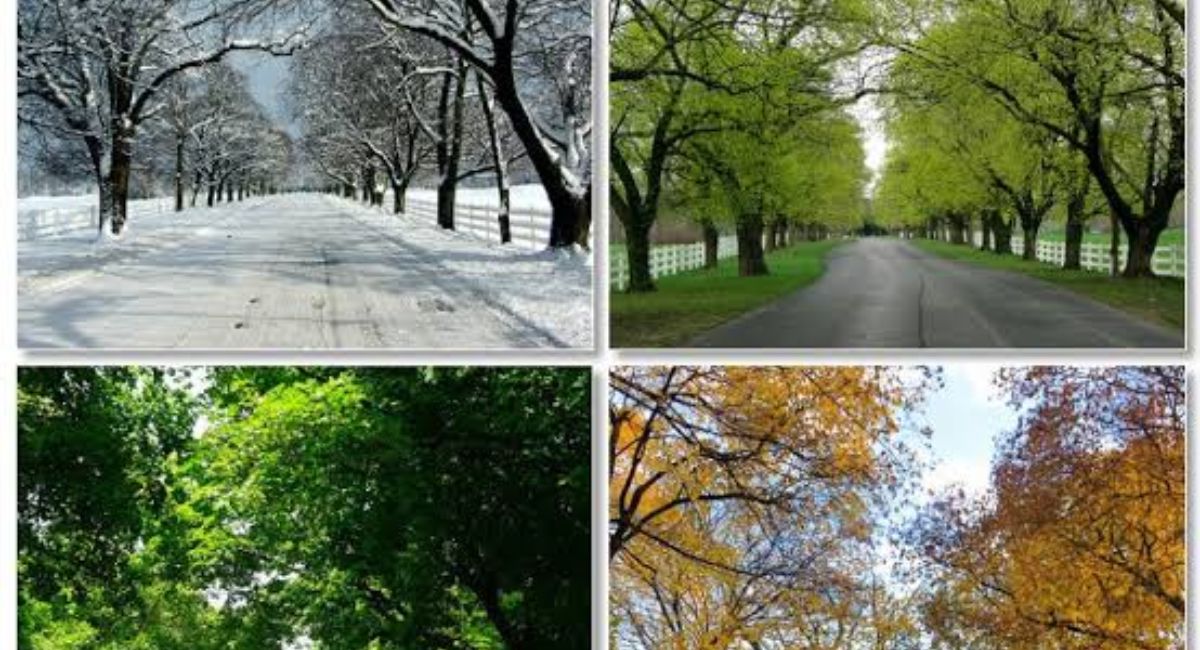
Do You Capitalize Seasons? A Complete Guide to Spring, Summer, Fall, and Winter Capitalization Rules
Many writers become confused when they have to decide whether seasons like spring, summer, fall, and winter should be written with capital letters. Since months, days, and holidays are always capitalized, people often assume that seasons follow the same rule. However, English grammar treats seasons differently. In most cases, seasons are written in lowercase because they are common nouns. There are only a few specific situations where capitalization is required. Understanding these rules can help you write more accurately in academic work, blogs, emails, and professional documents.
Learn whether seasons like spring, summer, fall, and winter should be capitalized. Discover simple grammar rules, examples, and common capitalization mistakes.
- Are Seasons Capitalized in English?
- Why Are Seasons Different From Months and Days?
- When Should You Capitalize Seasons?
- When a Season Begins a Sentence
- When a Season Is Part of a Proper Name
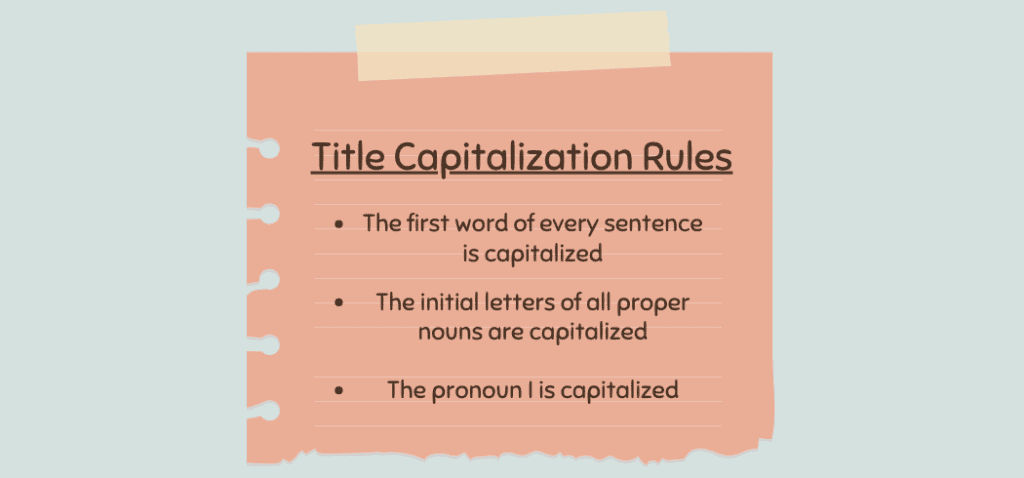
- When Seasons Appear in Titles
- When a Season Is Used as a Name
- Do You Capitalize Spring, Summer, Fall, and Winter?
- Common Season Capitalization Mistakes
- How Writers Can Remember the Rule Easily
- Frequently Asked Questions
- Conclusion
- Related post
Are Seasons Capitalized in English?
The general rule is simple: seasons are not usually capitalized.
Words such as spring, summer, fall, and winter describe different periods of the year, but they are not considered proper nouns. They function like other common nouns that describe general things rather than specific names.
For example, when someone writes about weather, holidays, or activities related to a season, the season name normally remains lowercase.
Examples:
- Many people enjoy summer because of longer days and warmer weather.
- Winter brings colder temperatures in many parts of the world.
- Spring is a popular time for planting flowers.
- Fall is known for colorful leaves and cooler evenings.
In these sentences, the seasons are general references, so they do not need capital letters.
Why Are Seasons Different From Months and Days?
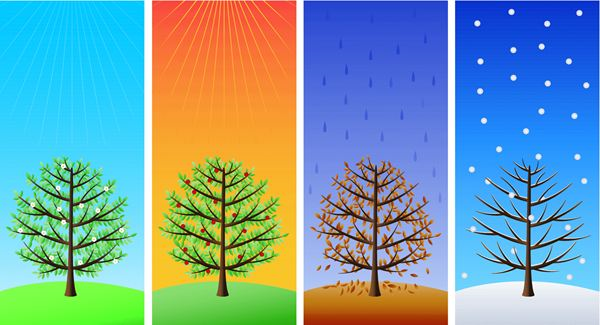
A common reason people capitalize seasons incorrectly is because they compare them with months and days of the week. However, these categories follow different grammar rules.
Months and days have specific names, which makes them proper nouns.
Examples:
- January
- March
- Monday
- Friday
Seasons, on the other hand, are descriptions of a time period during the year.
Examples:
- summer vacation
- winter weather
- spring flowers
- fall activities
Because seasons do not identify one specific named period, they usually remain lowercase.
When Should You Capitalize Seasons?
Although seasons are generally written in lowercase, there are several situations where capitalization is correct.
When a Season Begins a Sentence
The first word of every sentence should always be capitalized. If a season appears at the beginning of a sentence, it naturally receives a capital letter.
For example:
“Summer is my favorite season.”
In this sentence, “Summer” is capitalized because it starts the sentence.
However:
“I enjoy summer evenings.”
In this example, “summer” remains lowercase because it appears in the middle of the sentence.
When a Season Is Part of a Proper Name
A season should be capitalized when it is included in the official name of an event, organization, or special occasion.
For example:
- Summer Olympics
- Winter Olympics
- Spring Festival
- Fall Fashion Week
In these cases, the season is no longer simply describing a time of year. It becomes part of a specific name, which requires capitalization.
Compare these examples:
“I enjoy winter sports.”
“The Winter Olympics attract athletes from around the world.”
The first sentence talks about a general activity, while the second refers to a specific event.
When Seasons Appear in Titles

Titles of books, movies, articles, and other creative works often use capitalization rules. If a season appears as an important word in a title, it may be capitalized.
Examples:
- A Summer Adventure
- The Winter Garden
- Spring Memories
However, title capitalization depends on the style being followed. Different publishers and organizations may have their own formatting preferences.
When a Season Is Used as a Name
Some seasons can also be used as personal names. When a season becomes the name of a person, it should be capitalized like any other proper noun.
Examples:
- Summer is coming to the meeting today.
- Autumn loves painting.
- Winter has a unique personality.
In these examples, the words are not referring to weather or time periods. They identify specific people, so capitalization is necessary.
Do You Capitalize Spring, Summer, Fall, and Winter?
Each season follows the same general rule. They remain lowercase when they refer to the time of year, but they are capitalized when they become part of a proper name or title.
Spring
Spring is usually lowercase when discussing the season.
Example:
“Many flowers grow during spring.”
It becomes capitalized when it is part of a specific name.
Example:
“Spring Festival attracts thousands of visitors.”
Summer
Summer is normally lowercase in everyday writing.
Example:
“We usually travel during summer.”
It is capitalized when it appears in an official name.
Example:
“The Summer Olympics bring athletes together.”
Fall
Fall follows the same pattern.
Example:
“Fall weather is perfect for outdoor activities.”
It becomes capitalized when used in a proper title or event name.
Example:
“The Fall Festival was held last weekend.”
Winter
Winter is also usually lowercase.
Example:
“Winter nights can be very cold.”
It is capitalized when it is part of a specific name.
Example:
“The Winter Games are held every few years.”
Common Season Capitalization Mistakes
Many writers accidentally capitalize seasons because they look like names. However, most everyday references should remain lowercase.
A common mistake is writing:
“During the Summer vacation, we visited another city.”
The correct form is:
“During the summer vacation, we visited another city.”
Another mistake is:
“I love the colors of Fall.”
The correct form is:
“I love the colors of fall.”
Remember that a season only needs capitalization when grammar rules require it.
How Writers Can Remember the Rule Easily
A simple way to remember season capitalization is to ask one question:
“Is this word being used as a general season or as a specific name?”
If it describes a normal time of year, keep it lowercase.
If it is part of an official name, title, or a person’s name, capitalize it.
This approach works for all four seasons and helps avoid unnecessary capitalization errors.
Frequently Asked Questions
1.Do you capitalize seasons in normal writing?
No. Spring, summer, fall, and winter are usually lowercase when they refer to general seasons.
2.Is summer a proper noun?
No. Summer is usually a common noun unless it is used as a person’s name or part of a proper title.
3.Should seasons be capitalized in academic writing?
Most academic style guides recommend lowercase seasons unless they appear in proper names or titles.
4.Is Fall capitalized in a sentence?
Fall is only capitalized when it starts a sentence or is part of a specific name.
5.Why are seasons not capitalized?
Seasons are not capitalized because they describe general periods of the year rather than specific names.
Conclusion
Seasons are generally written in lowercase because they describe periods of the year rather than specific names. However, they should be capitalized when they begin a sentence, appear in official names, titles, or are used as personal names. Learning these simple capitalization rules helps writers improve accuracy, avoid grammar mistakes, and create clearer, more professional writing.