Motherboard Power Phases- Complete Guide for Performance
Motherboard power phases are one of the most important yet misunderstood components in a computer system. They directly influence how efficiently and safely power is delivered to your CPU. Whether you are building a gaming PC, a workstation, or a simple home setup, understanding power phases can help you make smarter decisions. This article explains everything in detail, including how they work, their types, benefits, and their real impact on system performance.
Learn everything about motherboard power phases, how they work, types, benefits, and why they matter for performance, stability, and overclocking PCs.
- What Are Motherboard Power Phases?
- Why Power Phases Matter
- How Power Phases Work
- Types of Motherboard Power Phases
- Phase Count Explained
- Features of Good Power Phase Design
- Benefits of More Power Phases
- Power Phases and Overclocking
- VRM Cooling and Its Importance
- Common Myths About Power Phases
- How to Choose the Right Motherboard
- Real-World Impact of Power Phases
- Future of Power Phase Technology
- FAQ’s
- Conclusion
- Related post
What Are Motherboard Power Phases?
Motherboard power phases are a key part of the Voltage Regulator Module (VRM). Their main purpose is to convert power from the Power Supply Unit (PSU) into a stable and usable voltage for the CPU.
A CPU does not use high voltage directly from the PSU. Instead, it requires a much lower and stable voltage.
Power phases handle this conversion process efficiently and safely. Each phase includes components such as chokes, capacitors, and MOSFETs that work together to regulate voltage.
In simple terms, power phases ensure your CPU gets clean and consistent power without fluctuations, which is critical for stability and performance.
Why Power Phases Matter
Power phases play a crucial role in maintaining system stability and performance. Without proper power delivery, even the most powerful CPU cannot perform efficiently.
When your motherboard has a good VRM design with sufficient phases, it distributes electrical load evenly. This reduces stress on individual components and improves overall efficiency.
They also help in reducing heat generation. When power is evenly distributed, each component works less intensely, resulting in lower temperatures. This is particularly important for gaming and heavy workloads.
Additionally, a strong power phase design ensures long-term durability. Systems with weak VRMs often face overheating and instability issues.
How Power Phases Work
Power phases work by splitting electrical load into smaller portions. Instead of a single path delivering all the power, multiple phases share the workload equally.
For example, if a CPU requires a large amount of power, a motherboard with fewer phases will put more stress on each phase. On the other hand, more phases distribute the load efficiently, making each phase work less.
This improves efficiency, ensures smooth voltage delivery, and keeps your system stable during demanding tasks like gaming, editing, and rendering.
Another major benefit is reduced voltage ripple, which prevents sudden spikes or drops in power.
Types of Motherboard Power Phases
Analog Power Phases
Analog power phases are the traditional type used in older or budget motherboards. They rely on simple controllers to regulate voltage.
They are less precise but cost-effective and suitable for basic computing tasks.
Digital Power Phases
Digital power phases use advanced controllers to manage voltage more accurately.
They provide:
- Better efficiency
- Improved stability
- Enhanced performance
These are ideal for gaming and overclocking systems.
Hybrid Power Phases
Hybrid power phases combine both analog and digital technologies. They offer a balance between cost and performance, making them common in mid-range motherboards.
Phase Count Explained
Motherboards often advertise phase counts like 6+2, 8+4, or 12+2.
- First number → CPU phases
- Second number → Additional components (like iGPU)
While a higher phase count generally improves power distribution, it is not the only factor. Component quality is equally important.
A well-built 8-phase VRM can outperform a poorly designed 12-phase VRM.
Features of Good Power Phase Design
A high-quality power phase design includes:
- High-quality capacitors
- Efficient MOSFETs
- Durable chokes
- Advanced PWM controllers
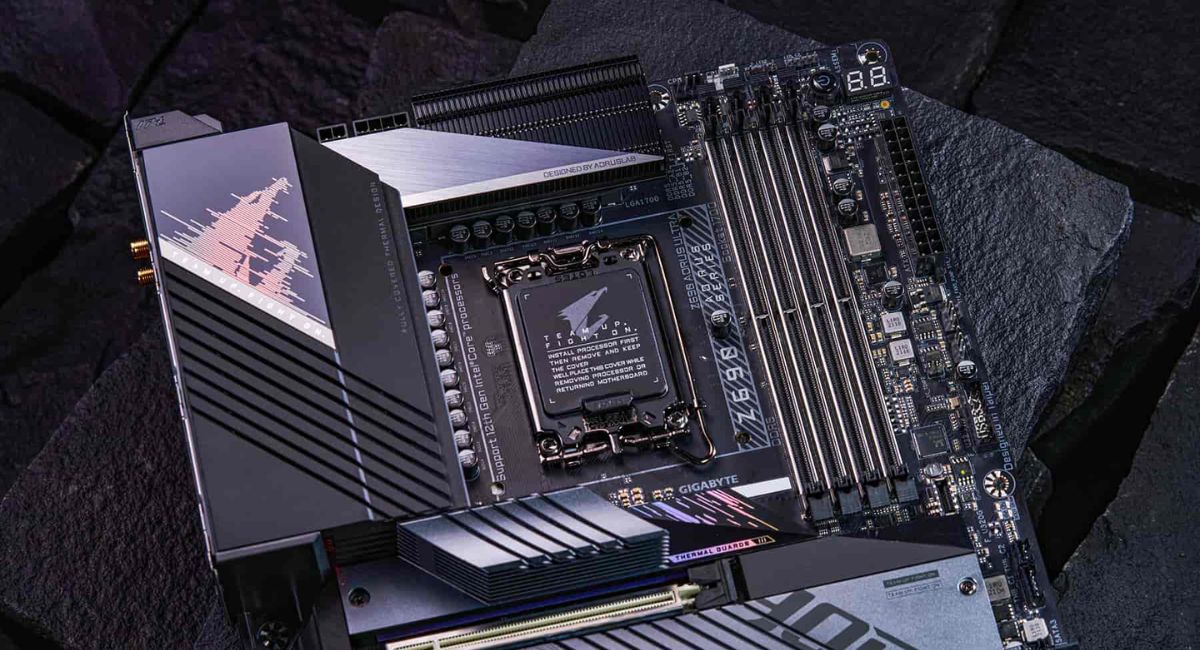
- Large heatsinks
These features ensure stable performance even under heavy workloads.
Benefits of More Power Phases
Performance Benefits
- Smooth voltage delivery
- Improved CPU performance
- Stable operation under load
Thermal Benefits
- Lower heat generation
- Better cooling efficiency
- Reduced risk of overheating
Longevity Benefits
- Less component stress
- Increased lifespan
- Better long-term reliability
Power Phases and Overclocking
Overclocking pushes your CPU beyond its standard limits, increasing performance. However, it also increases power demand.
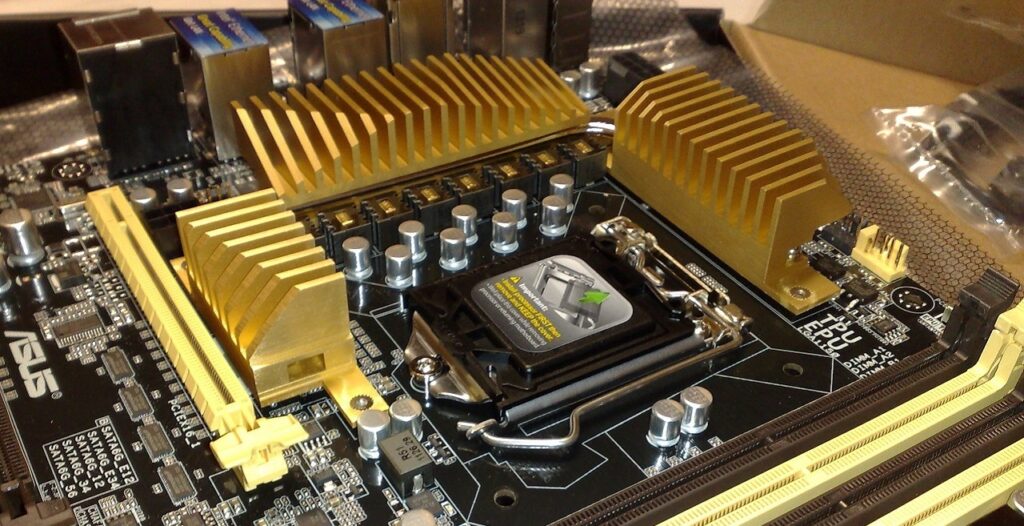
A strong VRM with more power phases ensures:
- Stable voltage supply
- Reduced overheating
- Better system reliability
If the VRM is weak, you may face crashes or instability.
Recommended Phases
- Casual use → 6–8 phases
- Gaming → 8–12 phases
- Enthusiast → 12+ phases
VRM Cooling and Its Importance
Even the best power phases cannot perform well without proper cooling.
VRM components generate heat, especially during heavy workloads. To manage this, motherboards use:
- Heatsinks
- Heat pipes
- Active cooling fans
Good cooling ensures stable performance, prevents thermal throttling, and increases component lifespan.
Common Myths About Power Phases
More phases always better
Reality: Quality matters more than quantity
Only gamers need good VRM
Reality: All users benefit from stable power delivery
Budget boards are useless
Reality: Some budget boards offer efficient VRM designs
How to Choose the Right Motherboard
Choosing the right motherboard depends on your needs and usage.
For basic tasks, a simple VRM is enough. However, for gaming or professional work, you should invest in a motherboard with a strong power phase design.
Key Factors
- CPU compatibility
- VRM quality
- Phase count
- Cooling system
A balanced approach always gives the best results.
Real-World Impact of Power Phases
In real-world scenarios, power phases directly affect performance and stability.
A strong VRM ensures:
- Smooth multitasking
- Stable gaming performance
- Efficient processing
A weak VRM can cause:
- System crashes
- Overheating
- Performance drops
This makes power phases a critical factor in system design.
Future of Power Phase Technology
As CPUs become more powerful, the demand for efficient power delivery continues to grow.
Future trends include:
- Smart digital VRMs
- AI-based power management
- Improved thermal designs
These advancements will improve efficiency and performance significantly.
FAQ’s
1. What are motherboard power phases?
Motherboard power phases regulate voltage from the PSU and provide stable, clean power to the CPU for efficient and reliable performance.
2. How many power phases are enough?
For normal use, 6–8 phases are sufficient, while gaming and heavy workloads require 8–12 or more phases for stability.
3. Do power phases improve performance?
Yes, stable power delivery enhances CPU efficiency, reduces crashes, and ensures smooth performance during demanding tasks.
4. Are digital power phases better?
Digital power phases offer better control, improved efficiency, and higher stability compared to traditional analog designs.
5. Can poor power phases damage a system?
A weak VRM design can cause overheating, instability, and reduced lifespan, especially under heavy workloads or overclocking.
Conclusion
Motherboard power phases are essential for delivering stable and efficient power to your CPU. A strong VRM design improves system performance, reduces heat, and increases hardware lifespan. Whether you are a casual user or an enthusiast, choosing a motherboard with the right combination of phase count and quality components is crucial for long-term reliability and performance.