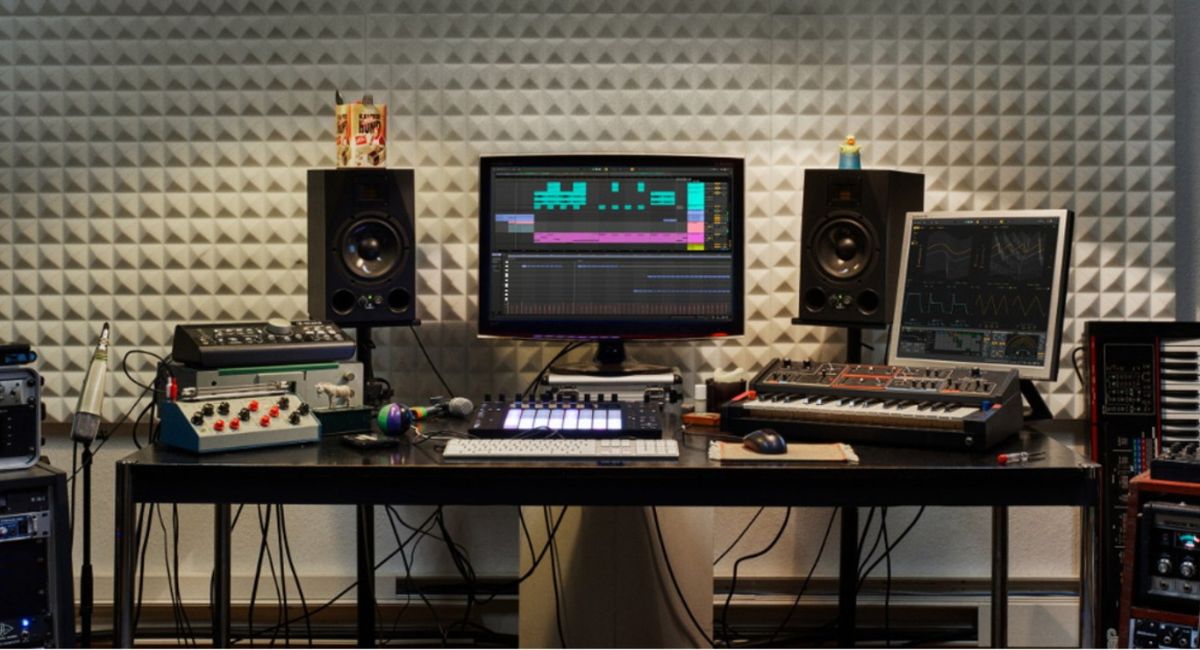
Best PC Motherboard for Music Production – Complete Guide
Choosing the best PC motherboard for music production is a crucial step in building a powerful audio workstation. It directly impacts performance, stability, and latency, which are essential for recording, mixing, and mastering. A good motherboard ensures smooth workflow without crashes or audio glitches. It also supports high-performance CPUs, large RAM capacity, and fast storage devices, making it ideal for modern music production software and helping producers achieve professional, reliable results consistently.
Best PC motherboard for music production to build a stable audio setup. Explore top features, performance, and buying guide for smooth music production workflow.
- What is a Motherboard in Music Production?
- Key Features of the Best PC Motherboard for Music Production
- Types of Motherboards for Music Production
- Importance of Chipset Selection
- Benefits of a Good Music Production Motherboard
- Factors to Consider Before Buying
- Use Cases in Music Production
- Performance Optimization Tips
- Common Mistakes to Avoid
- Future Trends in Music Production Motherboards
- FAQ’s
- Conclusion
- Related post
What is a Motherboard in Music Production?
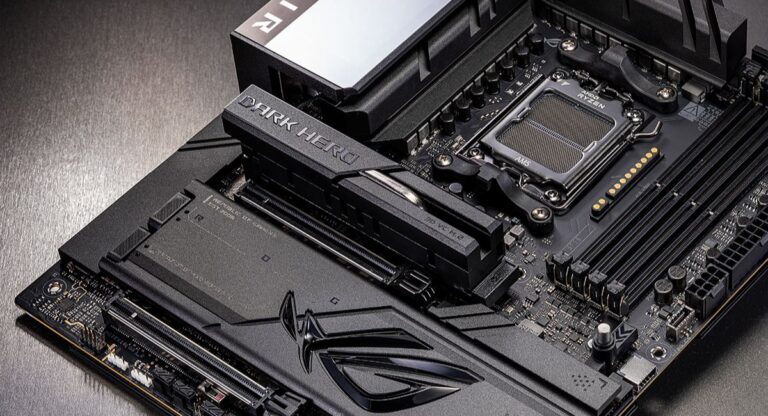
A motherboard is the central hub of a computer that connects all major hardware components such as the CPU, RAM, storage drives, and audio interfaces. In music production, it plays a crucial role in maintaining system stability and data flow efficiency.
It ensures that your DAW runs smoothly while handling multiple plugins, virtual instruments, and recording tracks at the same time. A weak or incompatible motherboard can cause lag, audio dropouts, and system crashes during important sessions.
Key Features of the Best PC Motherboard for Music Production
A good music production motherboard should support powerful processors such as Intel Core i7, i9, or AMD Ryzen series.
These processors help in handling heavy audio processing tasks without slowing down the system. High core count support is especially useful when working with large projects containing multiple tracks and effects.
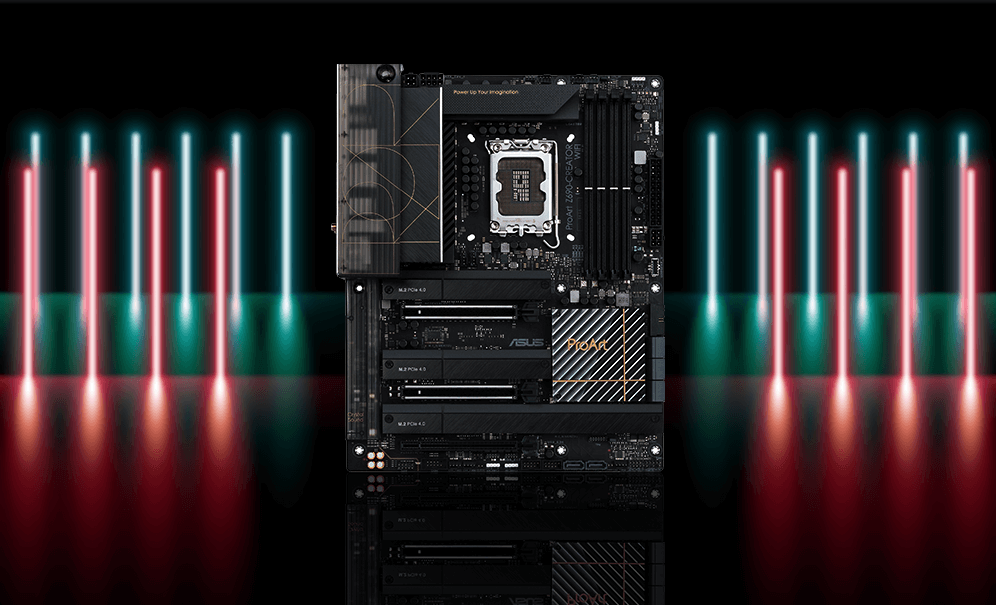
Memory support is another important factor. Music production software requires a lot of RAM, especially when using sample libraries and plugins.
A motherboard that supports 32GB, 64GB, or more ensures smooth multitasking and prevents system lag.
Low latency performance is essential in music production because even a small delay between input and output can disrupt workflow. A stable motherboard design ensures real-time audio processing without noticeable delay.
Storage speed also plays a major role. NVMe SSD support allows faster loading and saving of large audio projects, reducing waiting time and improving efficiency.
USB stability is equally important because audio interfaces, MIDI keyboards, and controllers depend on stable connections.
Important Technical Highlights
- High CPU compatibility for heavy processing
- Large RAM support for multitasking
- Stable chipset for low latency performance
- Fast NVMe SSD storage support
- Reliable USB connectivity for audio devices
Types of Motherboards for Music Production
Entry-level motherboards are suitable for beginners who are just starting their music production journey.
They can handle basic recording, editing, and small projects without any major issues. These boards are budget-friendly and ideal for home studios.
Mid-range motherboards are designed for semi-professional users who work with more complex projects.
They offer better CPU and RAM support, allowing smoother multitasking and plugin usage. These are commonly used in growing studios.
High-end motherboards are built for professional studios where performance and stability are top priorities.
They support maximum RAM capacity, advanced CPUs, and multiple expansion options for audio hardware.
Comparison Overview
- Entry-level: basic recording and learning
- Mid-range: semi-pro production and mixing
- High-end: professional studio and large projects
Importance of Chipset Selection
Chipset plays a major role in system performance and compatibility. Intel chipsets are known for their stability and low latency, making them a strong choice for music production. AMD chipsets offer better multitasking and core performance, which is useful for heavy plugin usage and large projects.
Chipset Benefits
- Improved system stability
- Better DAW performance
- Efficient CPU communication
- Enhanced multitasking capability
Benefits of a Good Music Production Motherboard
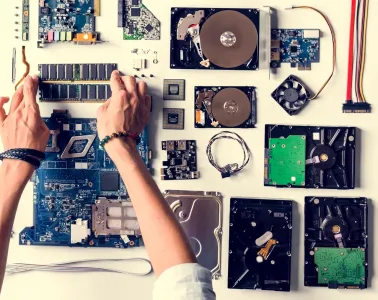
A high-quality motherboard improves the overall production experience by ensuring stable performance and reducing technical issues. It minimizes audio dropouts, improves DAW responsiveness, and enhances plugin performance.
Key Benefits
- Stable and smooth audio processing
- Reduced latency and glitches
- Better hardware compatibility
- Long-term reliability
- Improved workflow efficiency
Factors to Consider Before Buying
Before selecting a motherboard, compatibility is the most important factor. It must support your CPU, RAM, and audio interface without any conflicts.
Expansion options are also important. PCIe slots allow you to add sound cards, additional storage, or studio equipment in the future.
Cooling is another key factor because long production sessions generate heat. A good cooling design ensures stable performance.
USB ports must be stable and sufficient for connecting multiple audio devices like MIDI controllers and interfaces.
Quick Buying Checklist
- CPU compatibility
- RAM support
- Expansion slots availability
- USB stability
- Cooling efficiency
Use Cases in Music Production
Music production motherboards are used in different environments depending on needs. In home studios, they help beginners create and edit music efficiently. In professional studios, they support complex recording, mixing, and mastering tasks.
They are also used in live performance setups where real-time audio processing is required without delay or system failure.
Studio Applications
- Home recording setups
- Professional mixing studios
- Live performance systems
- Film scoring environments
Performance Optimization Tips
To get the best performance from your system, using SSD storage is highly recommended. It improves loading times and system responsiveness. Keeping BIOS and drivers updated ensures stability and compatibility.
Optimizing your system for low latency mode is very important in music production. Closing unnecessary background applications also helps improve performance.
Optimization Steps
- Use NVMe SSD for speed
- Update drivers regularly
- Enable low latency settings
- Close background apps
Common Mistakes to Avoid
Many users face performance problems due to poor hardware choices. Using insufficient RAM can cause lag in large projects. Choosing an incompatible motherboard can lead to instability.
Ignoring USB stability can create issues with audio devices. Poor cooling systems can also reduce performance during long sessions.
Common Errors
- Wrong RAM selection
- Incompatible CPU choice
- Weak USB performance
- Poor cooling setup
Future Trends in Music Production Motherboards
Modern motherboards are evolving with PCIe 5.0 support, faster memory technologies, and improved USB-C stability. These improvements reduce latency and enhance performance.
Future systems may also include AI-based audio processing support and better integration with digital audio tools, making music production more efficient and intelligent.
Upcoming Improvements
- Faster data transfer speeds
- Better latency reduction
- AI audio optimization
- Enhanced power efficiency
FAQ’s
1.What is the best motherboard for music production?
The best motherboard depends on your needs, but high-end Intel or AMD boards with strong CPU and RAM support are ideal for professional music production.
2.How much RAM is needed for music production?
At least 16GB is required, but 32GB or more is recommended for smooth performance in large projects with multiple plugins.
3.Is AMD or Intel better for music production?
Both are good choices. Intel offers better stability and low latency, while AMD provides stronger multitasking and core performance.
4.Do I need a special motherboard for music production?
Yes, a stable motherboard with good CPU support, RAM capacity, and USB stability is important for professional audio production.
5.Can a gaming motherboard be used for music production?
Yes, but it should have strong stability, good RAM support, and reliable USB performance to handle audio production efficiently.
Conclusion
The best PC motherboard for music production is essential for building a stable and powerful audio workstation. It ensures smooth performance, low latency, and reliable compatibility with professional audio equipment. Choosing the right motherboard improves workflow, reduces technical issues, and allows producers to focus more on creativity. A well-balanced system ensures long-term productivity and high-quality music production without interruptions.