Best Workstation Motherboard for High-Performance Computing
A workstation motherboard is the backbone of a professional computer system designed for heavy workloads such as 3D rendering, video editing, AI development, engineering, and data analysis. Unlike ordinary motherboards, workstation models provide better stability, advanced connectivity, powerful hardware compatibility, and long-term reliability. Choosing the best workstation motherboard improves overall performance, multitasking efficiency, and system durability. Modern workstation boards support high-speed storage, multiple graphics cards, advanced cooling systems, and enterprise-grade features for professional users.
Find the best workstation motherboard for professional computing, video editing, AI, and 3D rendering with powerful features, stability, and performance.
- What Is a Workstation Motherboard?
- Key Features of the Best Workstation Motherboard
- Benefits of Using the Best Workstation Motherboard
- Types of Workstation Motherboards
- Important Factors to Consider Before Buying
- Best Workstation Motherboard Brands
- Intel vs AMD Workstation Motherboards
- Best Workstation Motherboard for Video Editing
- Best Workstation Motherboard for 3D Rendering
- Best Workstation Motherboard for AI and Machine Learning
- Common Problems in Cheap Workstation Motherboards
- Tips to Maintain a Workstation Motherboard
- Future Trends in Workstation Motherboards
- How to Choose the Best Workstation Motherboard
- FAQ’s
- Conclusion
- Related post
What Is a Workstation Motherboard?
A workstation motherboard is a high-performance motherboard specially built for professional computing tasks.
These motherboards are designed to support powerful processors, larger memory capacities, and advanced expansion options.
They are commonly used in industries where stability and processing power are more important than gaming aesthetics.
Professionals such as video editors, engineers, architects, programmers, and AI developers rely on workstation motherboards because they provide reliable performance during intensive workloads.
Unlike standard motherboards, workstation boards are optimized for long working hours and demanding software applications.
Common Uses of Workstation Motherboards
- 3D animation and rendering
- Professional video editing
- Machine learning and AI tasks
- Scientific simulations
- CAD and engineering software
- Enterprise-level multitasking
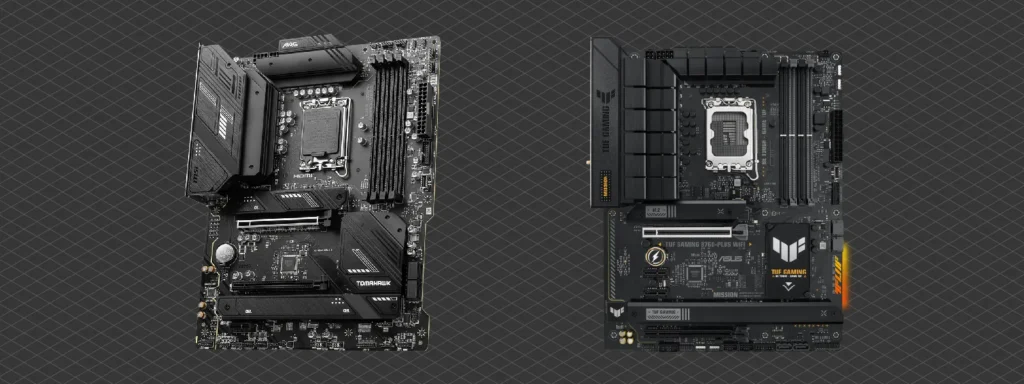
Key Features of the Best Workstation Motherboard
High-End Processor Support
The best workstation motherboards support powerful processors such as:
- Intel Xeon
- AMD Threadripper
- Intel Core i9
- AMD Ryzen 9
These processors provide excellent multitasking performance and faster processing speeds for professional workloads.
ECC Memory Compatibility
One of the most important features is ECC (Error-Correcting Code) memory support. ECC memory automatically detects and fixes memory-related errors, improving system stability and reducing crashes.
Benefits of ECC Memory
- Better system reliability
- Reduced data corruption
- Improved workstation stability
- Safer long-term performance
Multiple PCIe Expansion Slots
Professional users often need multiple expansion cards. Workstation motherboards include several PCIe slots for:
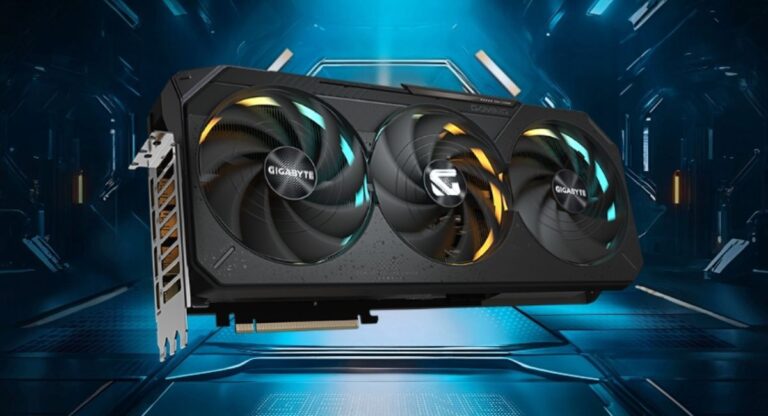
- Graphics cards
- RAID controllers
- Capture cards
- AI accelerator cards
This flexibility allows users to upgrade their systems according to project requirements.
Advanced Cooling Technology
Heavy workloads generate significant heat. High-quality workstation motherboards include:
- Large VRM heatsinks
- Liquid cooling support
- Smart fan control
- Temperature monitoring sensors
These features help maintain stable performance during long working sessions.
High-Speed Storage Support
Modern workstation boards support advanced storage technologies such as:
- NVMe SSD
- PCIe Gen 4
- PCIe Gen 5
- RAID configurations
This improves loading speeds, rendering performance, and file transfer efficiency.
Benefits of Using the Best Workstation Motherboard
A high-quality workstation motherboard offers several advantages for professional users. These benefits improve productivity and system efficiency in demanding environments.
Improved Stability
Workstation motherboards are designed for continuous workloads. They remain stable even during long rendering or simulation sessions.
Better Multitasking Performance
Professionals can run multiple demanding applications simultaneously without lag or performance drops.
Future Upgrade Support
Most workstation motherboards provide extra expansion slots and memory support for future upgrades.
Professional-Level Reliability
Premium workstation boards use high-quality components that reduce the chances of hardware failure.
Enhanced Productivity
Faster storage, improved connectivity, and stronger processing power help professionals complete projects more efficiently.
Types of Workstation Motherboards
Different workstation users require different motherboard types depending on workload and budget.
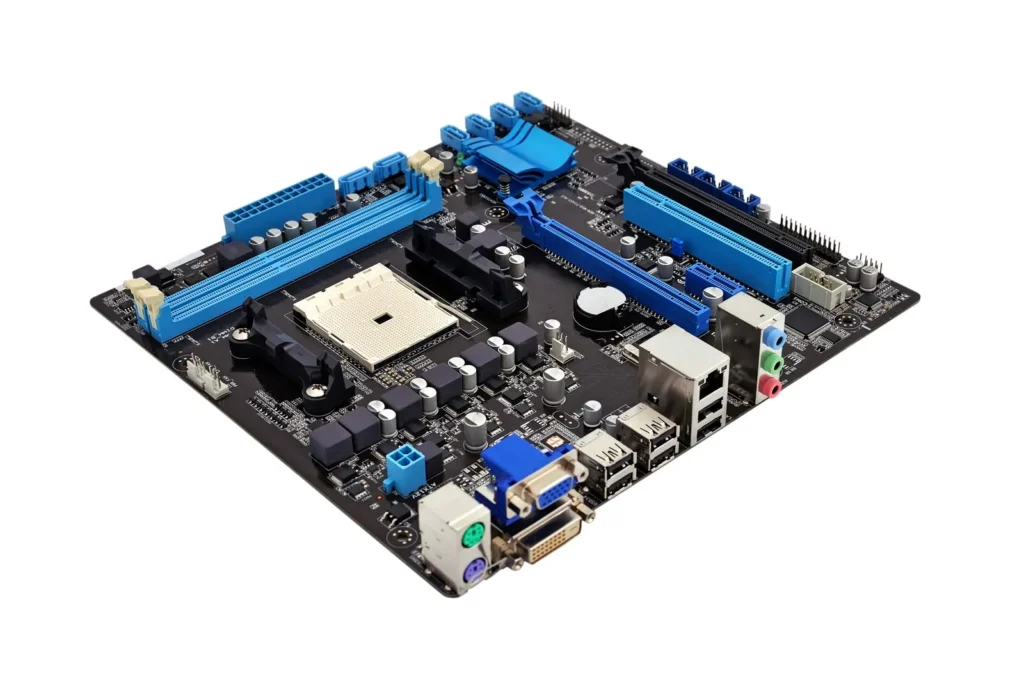
Single-Socket Workstation Motherboards
Single-socket motherboards support one processor and are suitable for:
- Content creators
- Video editors
- Designers
- Developers
These boards offer strong performance with lower power consumption.
Dual-Socket Workstation Motherboards
Dual-socket workstation motherboards support two processors simultaneously. They are ideal for:
- AI model training
- Enterprise computing
- Scientific research
- High-end rendering
These systems deliver extreme multitasking and computing power.
Compact Workstation Motherboards
Compact workstation boards are designed for smaller builds while maintaining professional performance.
Advantages
- Space-saving design
- Portable workstation setup
- Lower power consumption
However, they may provide fewer expansion slots compared to larger boards.
Important Factors to Consider Before Buying
Choosing the right workstation motherboard requires careful planning. Buyers should focus on performance, compatibility, and future expansion needs.
Processor Compatibility
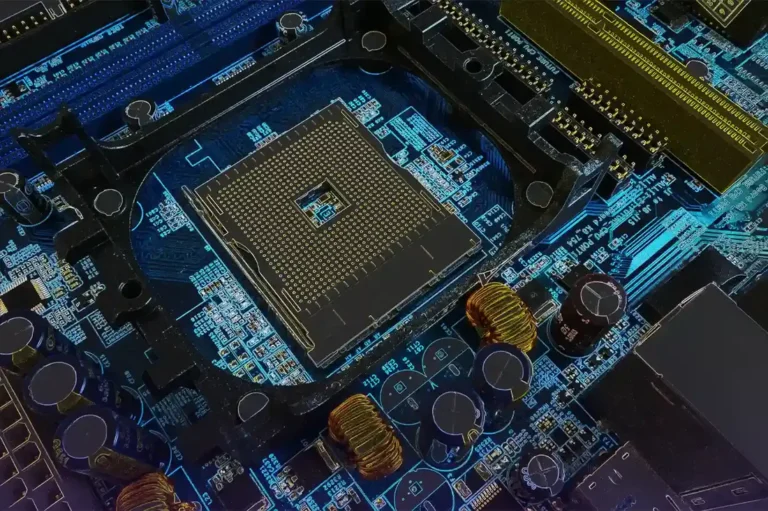
Always check the motherboard socket before purchasing.
Popular CPU Sockets
- LGA 1700
- LGA 4677
- AM5
- sTRX4
RAM Capacity
Professional workloads require high memory capacity.
Recommended RAM Sizes
- 32GB for standard editing
- 64GB for rendering
- 128GB or more for AI workloads
Storage Connectivity
Choose a motherboard with enough:
- M.2 slots
- SATA ports
- RAID support
This allows flexible storage upgrades.
Graphics Card Support
GPU-intensive applications require multiple PCIe x16 slots for advanced graphics cards.
Networking Features
Modern workstation motherboards include:
- Wi-Fi 6E
- Bluetooth
- 10Gb Ethernet
These features improve connectivity and file-sharing speeds.
Best Workstation Motherboard Brands
Several motherboard brands are trusted by professionals worldwide because of their quality and reliability.
ASUS
ASUS workstation motherboards are known for excellent cooling, premium BIOS features, and long-term durability.
MSI
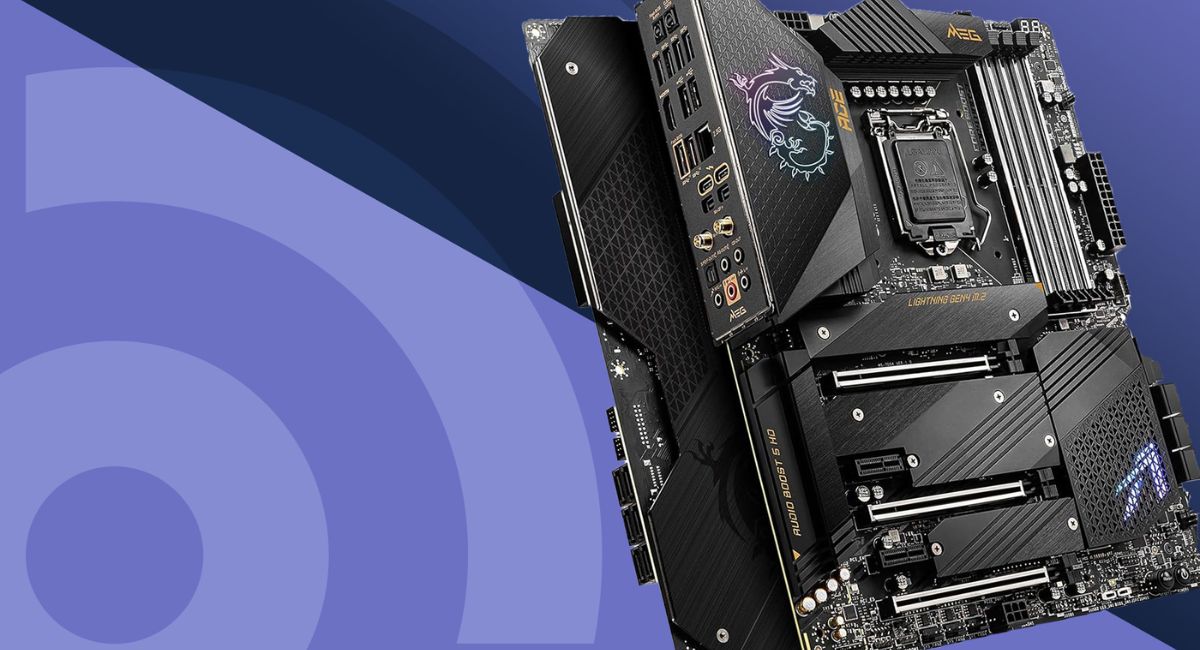
MSI provides workstation boards with strong power delivery and advanced thermal management systems.
Gigabyte
Gigabyte workstation motherboards offer excellent stability and support for professional-grade components.
Supermicro
Supermicro focuses on enterprise-level workstation and server solutions for advanced professional computing.
ASRock
ASRock provides affordable workstation motherboards with solid performance and modern features.
Intel vs AMD Workstation Motherboards
Choosing between Intel and AMD depends on workload requirements and software optimization.
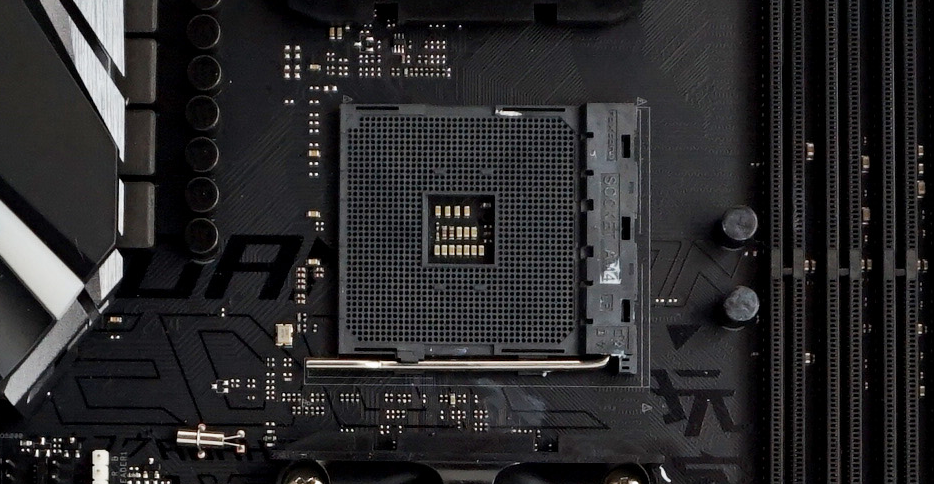
Intel Workstation Motherboards
Advantages
- Better single-core performance
- Strong software compatibility
- Stable enterprise solutions
Best For
- CAD software
- Professional editing
- Business environments
AMD Workstation Motherboards
Advantages
- Higher core counts
- Excellent multitasking
- Better value for money
Best For
- 3D rendering
- AI workloads
- Virtualization
Best Workstation Motherboard for Video Editing
Professional video editing requires a motherboard with strong storage and GPU support. Editors often work with large files and high-resolution footage, which demands reliable performance.
Important Features for Video Editors
- Thunderbolt support
- High-speed USB ports
- Multiple M.2 slots
- Large RAM capacity
These features improve editing speed and workflow efficiency.
Best Workstation Motherboard for 3D Rendering
3D rendering places heavy stress on CPUs and GPUs. A good workstation motherboard ensures smooth rendering performance without overheating.
Recommended Features
- Multiple GPU support
- Strong VRM cooling
- ECC memory compatibility
- PCIe Gen 5 support
These features help maintain consistent rendering performance for long projects.
Best Workstation Motherboard for AI and Machine Learning
AI and machine learning systems require powerful hardware support. Workstation motherboards built for AI tasks offer better scalability and GPU connectivity.
Essential AI Features
- Multiple PCIe x16 slots
- Large RAM support
- High-speed networking
- Advanced cooling systems
These features improve training speed and data processing performance.
Common Problems in Cheap Workstation Motherboards
Low-quality workstation motherboards may create serious performance and reliability issues.
Common Issues
- Overheating problems
- Weak power delivery
- Limited upgrade options
- Random crashes
- Slow data transfer speeds
Investing in a premium motherboard improves long-term system stability and performance.
Tips to Maintain a Workstation Motherboard
Proper maintenance increases motherboard lifespan and keeps performance stable.
Keep the System Clean
Dust accumulation can block airflow and increase temperatures.
Update BIOS Regularly
BIOS updates improve compatibility and system performance.
Use a Reliable Power Supply
A stable PSU protects sensitive workstation components from voltage fluctuations.
Monitor System Temperatures
Temperature monitoring software helps prevent overheating issues.
Install Proper Cooling
Efficient cooling solutions improve hardware longevity and system stability.
Future Trends in Workstation Motherboards
Technology continues to improve workstation hardware every year. Future workstation motherboards will offer even faster speeds and better AI optimization.
Upcoming Technologies
- PCIe Gen 5 expansion
- DDR5 memory support
- AI acceleration features
- Advanced networking technology
These innovations will significantly improve workstation performance.
How to Choose the Best Workstation Motherboard
Selecting the best workstation motherboard depends on your professional requirements and budget. Users should prioritize compatibility, expandability, and cooling performance.
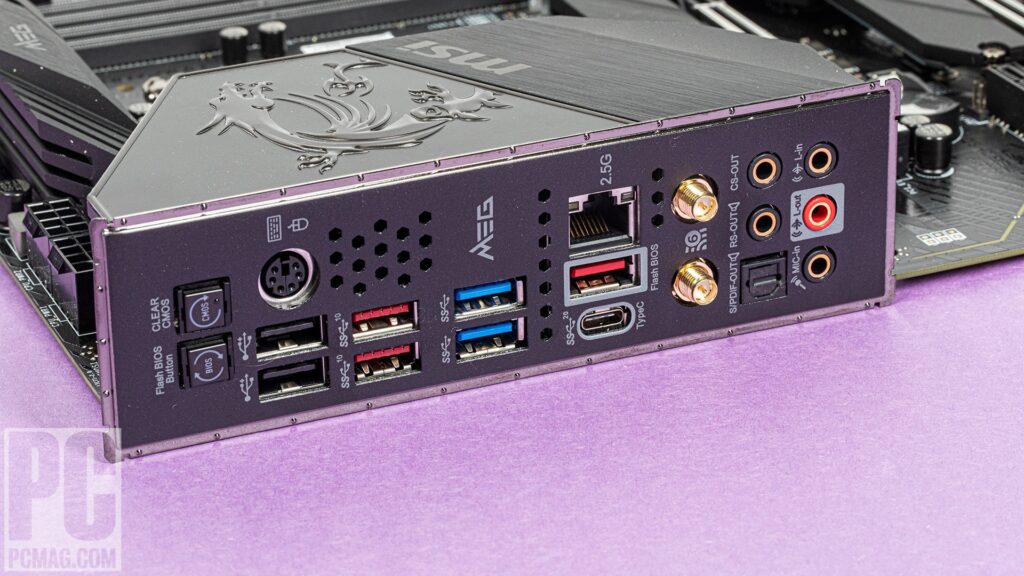
A balanced motherboard ensures long-term productivity and professional reliability.
FAQ’s
1.What is the difference between a workstation motherboard and a gaming motherboard?
A workstation motherboard focuses on professional stability, ECC memory support, and heavy multitasking, while gaming motherboards mainly prioritize gaming performance and visual design aesthetics.
2.Which processor is best for a workstation motherboard?
Processors like AMD Threadripper and Intel Xeon are excellent because they provide strong multitasking performance, higher core counts, and reliable professional computing capabilities.
3.Do workstation motherboards support multiple graphics cards?
Yes, most workstation motherboards support multiple GPUs through several PCIe x16 slots, making them suitable for rendering, AI processing, and advanced professional workloads.
4.Is ECC memory important for workstation systems?
ECC memory is highly beneficial because it automatically corrects memory errors, improving data accuracy, system stability, and reliability during professional computing tasks.
5.Can a workstation motherboard be used for gaming?
Yes, workstation motherboards can run games smoothly, but they are specifically designed for professional workloads like rendering, editing, simulations, and engineering applications.
Conclusion
The best workstation motherboard delivers excellent performance, reliability, and expandability for professional users. Whether you work in video editing, AI development, 3D rendering, or engineering, choosing the right motherboard significantly improves productivity and system stability. Features such as ECC memory support, advanced cooling, multiple PCIe slots, and high-speed storage connectivity make workstation motherboards essential for demanding computing environments and long-term professional performance.