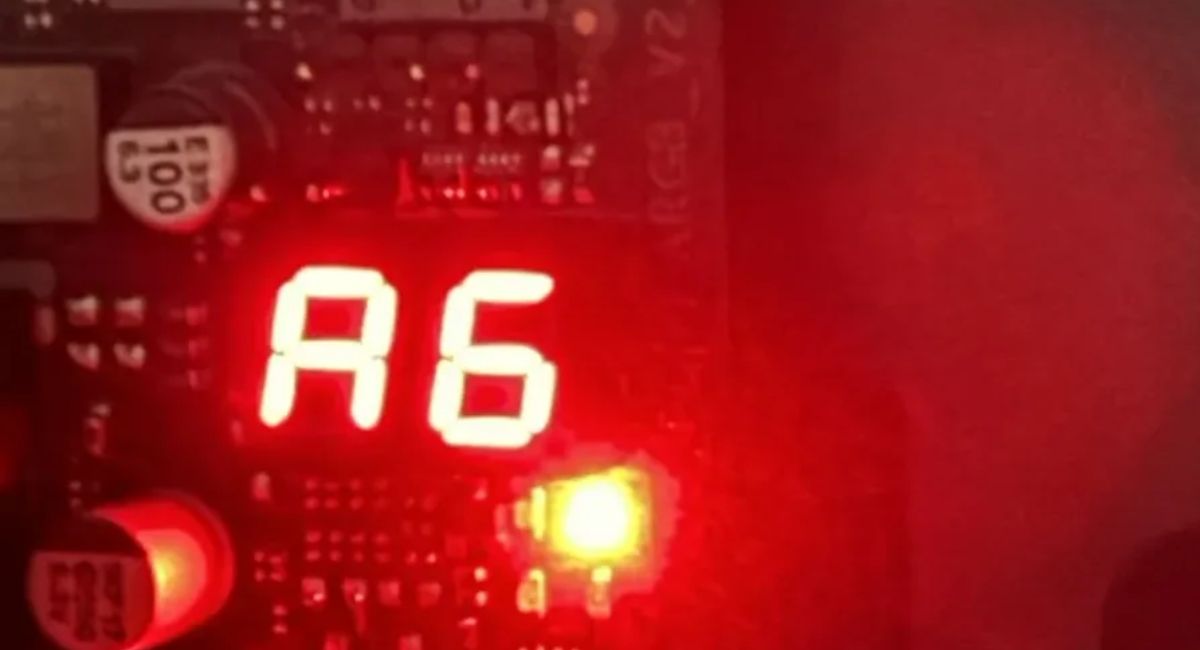
A6 Motherboard Code Error Fix Guide & Solutions
The a6 motherboard code is a common POST (Power-On Self-Test) error that appears during system startup when the motherboard fails to detect or properly initialize storage devices like SSD or HDD. This issue usually points to problems in SATA connections, BIOS settings, or hardware communication failure. When this error occurs, the system may stop booting or freeze on the motherboard screen. Understanding its causes and solutions is important for restoring normal system performance quickly and safely.
Fix a6 motherboard code error with easy troubleshooting steps. Learn causes, BIOS fixes, RAM and storage solutions to restore PC boot and stability quickly.
- What is A6 Motherboard Code?
- Common Causes of A6 Motherboard Code
- Symptoms of A6 Motherboard Code Error
- Types of A6 Motherboard Code Issues
- How to Fix A6 Motherboard Code Error
- Features of A6 Motherboard Error
- Benefits of Fixing A6 Motherboard Code Early
- Prevention Tips for A6 Motherboard Code
- Common Mistakes to Avoid
- When to Replace Hardware
- Importance of Professional Repair
- FAQ’s
- Conclusion
- Related post
What is A6 Motherboard Code?
The a6 motherboard code is a diagnostic boot error displayed on motherboard debug LEDs or screens. It indicates that the system is having trouble initializing or detecting connected storage devices during the POST process.
In most cases, this code is linked with storage detection failure, meaning the motherboard cannot properly communicate with the SSD or HDD. It can also appear due to incorrect BIOS settings or faulty hardware connections.
This error is not always serious, but ignoring it can lead to complete boot failure if not fixed properly.
Common Causes of A6 Motherboard Code
The a6 motherboard code can appear due to several hardware and configuration issues.
One of the most frequent causes is a loose or damaged SATA cable that disrupts communication between the motherboard and storage device. Even a slightly loose connection can trigger this error during startup.
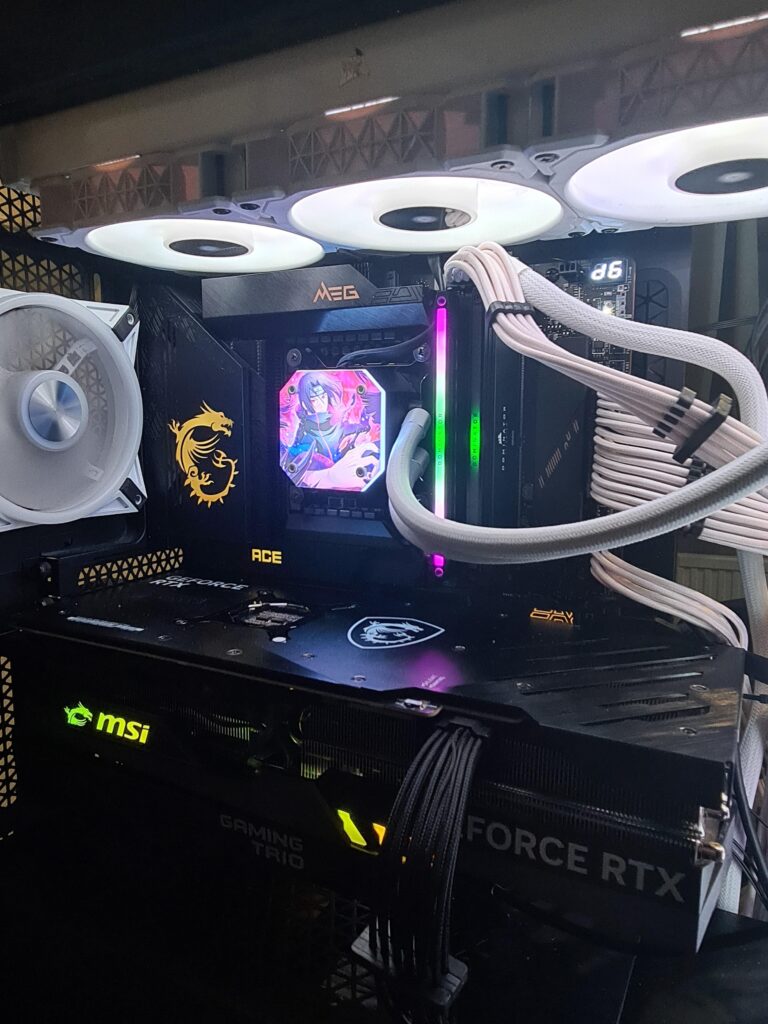
Another common reason is incorrect BIOS configuration, especially when the SATA mode is set improperly.
Outdated BIOS firmware can also fail to detect newer storage devices, causing boot interruption. In some cases, the SSD or HDD itself may be damaged or completely unresponsive.
Power supply instability is another hidden cause that affects storage detection and leads to system boot failure.
Symptoms of A6 Motherboard Code Error
When this error appears, the system shows clear signs of storage or boot failure. The most common symptom is the system getting stuck on the motherboard logo screen without loading the operating system.
In some cases, the BIOS does not show any connected storage devices, even when they are physically installed.
Users may also experience a black screen after powering on or repeated restart loops without successful booting.
These symptoms clearly indicate that the system is unable to properly detect or communicate with the storage hardware.
Types of A6 Motherboard Code Issues
The a6 motherboard code can occur in different forms depending on the root cause of the problem.
Storage Detection Failure
This happens when the motherboard fails to detect the SSD or HDD due to cable issues or damaged ports. It is the most common type of A6 error.
BIOS Configuration Issue
Incorrect BIOS settings, especially wrong SATA mode selection, can prevent proper storage initialization and trigger the error.
Hardware Failure Issue
A damaged storage device or faulty motherboard SATA port can also lead to persistent A6 errors.
Firmware Compatibility Issue
An outdated BIOS firmware may not support newer storage drives, leading to detection failure during boot.
How to Fix A6 Motherboard Code Error
Fixing the a6 motherboard code requires a step-by-step troubleshooting approach. First, you should check all physical connections inside your system.
Make sure that SATA cables are tightly connected to both the motherboard and storage device. If any cable appears damaged, replacing it often resolves the issue immediately.
Next, inspect the SSD or HDD health by connecting it to another system. If it is not detected there as well, the storage device may be faulty and require replacement. This step helps isolate whether the issue is with the motherboard or the drive itself.
Resetting the BIOS settings is another effective solution. By loading default settings, you remove incorrect configurations that may be blocking storage detection. In many cases, simply correcting the boot order inside BIOS can also fix the error.
If the issue still persists, updating the BIOS firmware from the official motherboard website is recommended. This improves compatibility with modern storage devices and fixes known bugs.
Finally, testing different SATA ports on the motherboard can help identify whether a specific port is damaged or malfunctioning.
Features of A6 Motherboard Error
- Appears during system startup (POST stage)
- Indicates storage detection failure
- Linked with SATA or BIOS configuration issues
- Can block operating system boot
- Often fixable without hardware replacement
Benefits of Fixing A6 Motherboard Code Early
- Restores normal system boot quickly
- Prevents permanent storage failure
- Improves system stability and performance
- Avoids data loss risks
- Extends motherboard and SSD lifespan
Prevention Tips for A6 Motherboard Code
Preventing this error requires proper system maintenance and careful hardware handling. Always use high-quality SATA cables to ensure stable data transfer between storage devices and motherboard. Keeping BIOS firmware updated helps maintain compatibility with newer SSDs and HDDs.
It is also important to avoid sudden power failures, as unstable electricity can damage storage devices and cause detection errors.
Regular cleaning of internal components reduces dust buildup, which can affect hardware connections over time.
Proper installation of hardware and avoiding loose connections significantly reduces the chances of encountering this error again.
Common Mistakes to Avoid
Many users accidentally worsen the problem while trying to fix it. One common mistake is using damaged or low-quality SATA cables, which can lead to repeated detection failures. Another mistake is skipping BIOS updates, even when compatibility issues exist.
Some users also change BIOS settings randomly without understanding them, which can further complicate the boot process. Forcing repeated restarts without diagnosing the issue properly can also increase hardware stress.
When to Replace Hardware
If the a6 motherboard code continues even after all troubleshooting steps, hardware replacement may be necessary. A completely unresponsive SSD or HDD is a strong sign of failure.
Similarly, if multiple SATA ports on the motherboard are not working, it may indicate motherboard damage. In such cases, professional diagnosis or replacement becomes the best solution.
Importance of Professional Repair
If you are not experienced in handling computer hardware, it is safer to seek professional help. Technicians can accurately identify whether the issue is related to the motherboard, storage device, or power supply.
Professional repair also reduces the risk of accidental damage and ensures that the system is repaired safely and efficiently.
FAQ’s
1.What does A6 motherboard code mean?
The a6 motherboard code indicates that the system is unable to detect or properly initialize storage devices like SSD or HDD during startup.
2.Can a faulty SSD cause A6 error?
Yes, a damaged or unresponsive SSD is one of the main reasons behind the a6 motherboard code error.
3.Is BIOS reset helpful for A6 errors?
Yes, resetting BIOS settings restores default configuration and often fixes issues causing the A6 error.
4.Can loose cables trigger A6 motherboard code?
Yes, loose or damaged SATA cables are one of the most common causes of storage detection failure leading to this error.
5.Should I replace my motherboard if A6 error continues?
If all troubleshooting fails and storage devices and cables are fine, then motherboard replacement may be required.
Conclusion
The a6 motherboard code is mainly related to storage detection and BIOS configuration issues. It can usually be fixed by checking cables, resetting BIOS, or updating firmware. Proper maintenance and careful hardware handling can prevent this issue in the future. With correct troubleshooting, system stability can be restored without needing major hardware replacement or data loss risks.