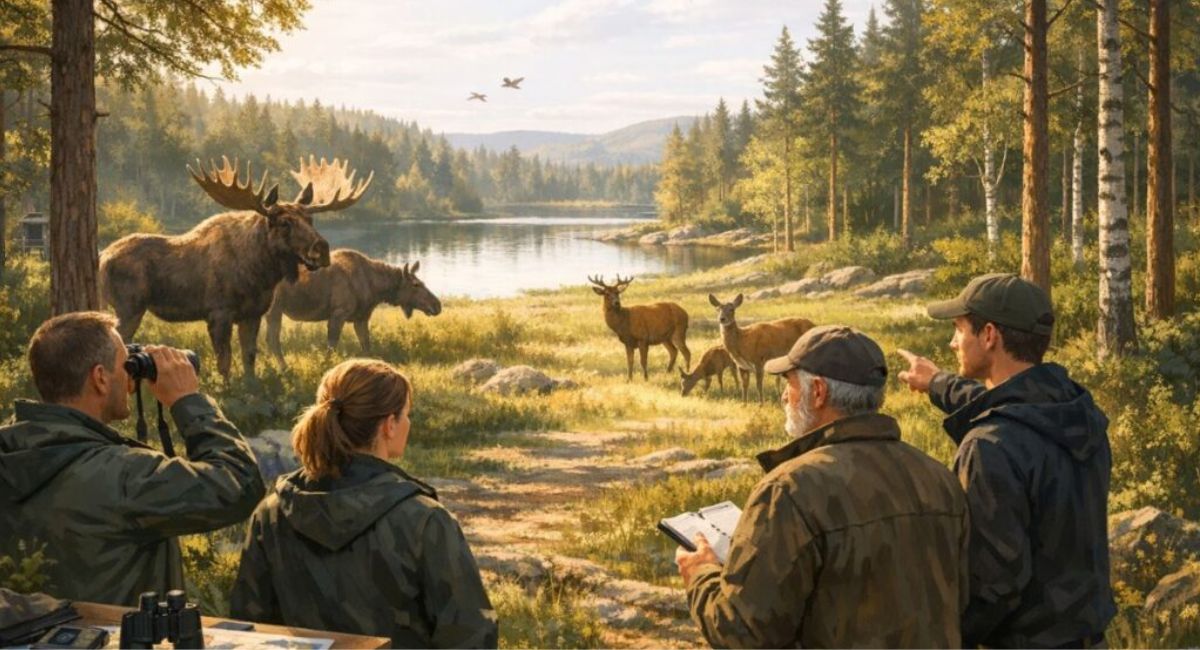
Viltnemnda Norway Explained- Roles, Responsibilities, and Wildlife Management System
Viltnemnda is a municipal wildlife management board in Norway responsible for regulating wildlife-related decisions at the local level. It plays a key role in managing hunting quotas, monitoring animal populations, handling human–wildlife conflicts, and responding to wildlife emergencies such as road accidents involving animals.
Although it operates under national legislation such as the Wildlife Act and the Animal Welfare Act, Viltnemnda makes decisions at a local level based on ecological conditions, population data, and regional needs. This decentralized system ensures that wildlife management is practical, sustainable, and adapted to each area.
In simple terms, Viltnemnda ensures a balance between wildlife conservation, human safety, and responsible use of natural resources.
Learn what Viltnemnda is in Norway, its role in wildlife management, hunting regulations, conservation, road safety, and human wildlife conflict control.
What Is Viltnemnda
Viltnemnda is a local government wildlife committee in Norway responsible for managing game species and overseeing interactions between humans and wildlife.
It is not a national agency but a municipal-level body. Each municipality may have its own Viltnemnda or share responsibilities with neighboring municipalities depending on administrative structure.
The board is typically made up of appointed members, which may include local politicians, wildlife experts, environmental advisors, and individuals with experience in hunting or land management.
The purpose of Viltnemnda is to ensure that wildlife decisions are made close to the areas they affect, allowing for more accurate and efficient management of ecosystems.
Core Responsibilities of Viltnemnda

Viltnemnda has a wide range of responsibilities related to wildlife management, conservation, and public safety.
Wildlife Population Management
One of the most important roles of Viltnemnda is monitoring and managing wildlife populations. This includes species such as moose, deer, roe deer, and sometimes large predators like wolves and bears.
The board collects and analyzes data from field surveys, hunting statistics, and environmental studies to understand population trends. Based on this information, it ensures that animal populations remain balanced with available resources such as food and habitat.
Hunting Regulation and Quotas
Viltnemnda is responsible for setting hunting quotas and regulating hunting activities. This includes deciding how many animals can be hunted each year, which species are included, and what restrictions apply.
Hunting seasons and quotas are based on scientific data and long-term population trends. In some cases, rules may include restrictions on age or gender to protect breeding populations.
This system ensures that hunting remains sustainable and does not damage biodiversity.
Wildlife Road Accident Management
A major responsibility of Viltnemnda is handling road accidents involving wildlife. In Norway, collisions between vehicles and animals such as moose and deer are relatively common, especially in rural and forested areas.
When such accidents occur, Viltnemnda works with police and road authorities. If an injured animal escapes into the forest, trained tracking teams with specialized dogs are deployed to locate it.
Once the animal is found, its condition is assessed. If recovery is not possible, humane euthanasia is carried out to prevent unnecessary suffering.
Human–Wildlife Conflict Management
Viltnemnda also manages conflicts between wildlife and human activities. These conflicts often occur in agricultural areas or near settlements, where animals may damage crops, threaten livestock, or enter residential zones.
In such cases, Viltnemnda evaluates the situation and determines appropriate actions. These may include relocation, preventive measures, or in rare cases, controlled removal of animals.
The goal is always to reduce conflict while maintaining ecological balance.
Conservation and Habitat Protection
Beyond immediate wildlife management, Viltnemnda also plays an important role in long-term conservation efforts.
This includes protecting wildlife habitats, maintaining migration corridors, and ensuring that development projects do not disrupt ecosystems. The board also supports biodiversity monitoring and promotes sustainable land use practices.
By integrating conservation into decision-making, Viltnemnda helps preserve Norway’s natural environment for future generations.
Predator Monitoring and Management
In some regions, Viltnemnda is involved in monitoring predator species such as wolves and bears. These animals can sometimes create challenges for rural communities, particularly in relation to livestock farming.
Viltnemnda does not set national predator policies but provides local assessments and recommendations to higher authorities. This helps ensure that decisions are based on real conditions in each region.
How Viltnemnda Works
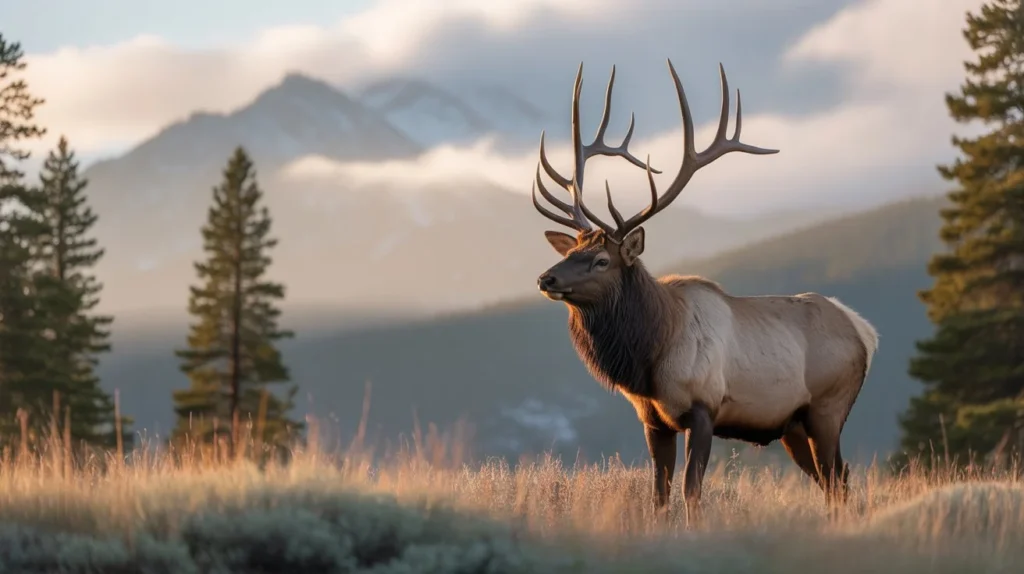
Viltnemnda follows a structured and data-driven decision-making process.
First, wildlife data is collected through field observations, population surveys, hunting reports, and environmental monitoring.
Next, this data is analyzed to assess population levels, environmental conditions, and potential risks.
Then, stakeholders such as farmers, landowners, hunters, and local representatives are consulted to provide practical input.
After consultation, the municipal board makes official decisions regarding quotas, regulations, or emergency actions.
Finally, these decisions are implemented by local wildlife teams, hunters, or cooperating authorities, and results are monitored for future adjustments.
Organizational Structure
Viltnemnda is part of the municipal governance system in Norway. Its structure typically includes:
- A chairperson responsible for leading the board
- Wildlife or environmental experts who provide scientific input
- Local representatives who reflect community interests
- Administrative staff who manage documentation and compliance
This structure ensures that decisions are both scientifically informed and socially balanced.
Legal Framework
Viltnemnda operates under strict national laws and regulations.
The Wildlife Act governs hunting practices, species protection, and sustainable wildlife use. The Animal Welfare Act ensures that animals are treated ethically and that suffering is minimized in all situations.
In addition, traffic and wildlife incident regulations require mandatory reporting of animal collisions and proper handling of injured wildlife.
These laws ensure accountability, transparency, and ethical standards in wildlife management.
Importance of Viltnemnda
Viltnemnda plays a crucial role in maintaining ecological balance and public safety in Norway.
It helps prevent overpopulation of wildlife species, reduces road accidents involving animals, supports sustainable hunting practices, and protects biodiversity. It also ensures that rural communities and agricultural sectors are protected from excessive wildlife damage.
Without Viltnemnda, wildlife management would be less organized, leading to ecological imbalance and increased human–wildlife conflicts.
Real-World Example
If a moose is hit by a vehicle and escapes into a forest, Viltnemnda is contacted through police or emergency services.
A trained tracking team is deployed, often using specialized dogs to locate the animal. Once found, the animal is assessed for injuries, and if recovery is not possible, humane action is taken.
This system ensures both public safety and ethical treatment of wildlife.
Challenges Faced by Viltnemnda
Despite its structured system, Viltnemnda faces several challenges. These include differences in decision-making between municipalities, limited funding in rural areas, increasing wildlife–vehicle collisions, and coordination difficulties in remote regions.
Climate change and urban expansion are also creating new pressures on wildlife habitats and migration patterns, making management more complex.
FAQ’s
1. What is Viltnemnda in Norway?
Viltnemnda is a municipal wildlife board responsible for managing wildlife populations, hunting regulations, and human–wildlife conflicts under Norwegian law.
2. Is Viltnemnda a government body?
Yes, it operates under municipal government structure and follows national environmental laws while making local wildlife management decisions.
3. What animals does Viltnemnda manage?
It mainly manages game species such as moose, deer, and roe deer, and in some cases monitors predators like wolves and bears.
4. How does Viltnemnda handle wildlife accidents?
It coordinates with police and road authorities, deploys tracking teams, and ensures injured animals are treated or humanely euthanized if necessary.
5. What laws does Viltnemnda follow?
Viltnemnda operates under Norway’s Wildlife Act and Animal Welfare Act, ensuring sustainable hunting, ethical treatment of animals, and regulated wildlife management decisions at municipal level.
Conclusion
Viltnemnda plays a crucial role in Norway’s wildlife management by promoting sustainable practices, protecting biodiversity, and ensuring public safety. Through collaboration with local authorities, experts, and communities, it helps maintain healthy wildlife populations and balanced ecosystems. As environmental pressures and human-wildlife interactions continue to grow, Viltnemnda’s adaptive and science-based approach remains essential for preserving harmony between nature and society.