What is a Chipset on the Motherboard? Full Guide
A chipset on the motherboard is a core hardware component that manages communication between the CPU, memory, storage devices, and peripherals. It acts as the central control system that ensures all parts of a computer work together efficiently. While the CPU performs processing tasks, the chipset handles data flow and connectivity. Without a chipset, the motherboard cannot function properly. Understanding the chipset is essential for choosing, building, or upgrading a computer system effectively.
Learn what is a chipset on the motherboard, how it works, its functions, types, and why it is important for computer performance and gaming.
- What is a Chipset on the Motherboard?
- How the Chipset Works
- Functions of a Chipset
- Types of Chipsets
- Intel and AMD Chipsets
- Chipset vs Motherboard
- Importance of a Chipset
- Benefits of a Good Chipset
- Chipset and Gaming Performance
- Can You Upgrade a Chipset?
- How to Check Your Chipset
- Future of Chipsets
- FAQ’s
- Conclusion
- Related post
What is a Chipset on the Motherboard?
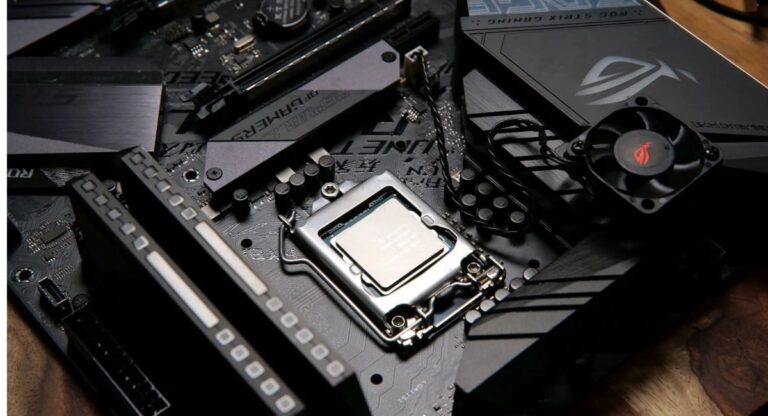
A chipset is a group of integrated circuits built into the motherboard that controls how different hardware components communicate with each other. It acts as a bridge between the processor and other system parts like RAM, GPU, storage drives, and input/output devices.
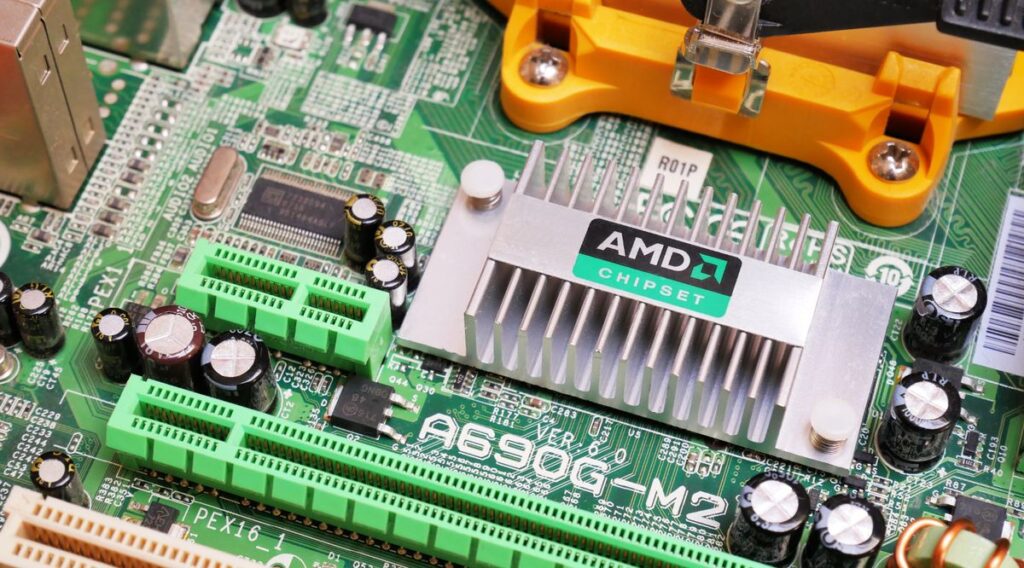
In modern computers, most heavy processing tasks are handled by the CPU, while the chipset focuses on managing data flow, connectivity, and system features. It ensures that every component receives and sends data in an organized and efficient way.
In simple terms, the chipset is the communication hub of your computer system.
How the Chipset Works
Although the chipset does not directly increase FPS, it plays an indirect but important role in gaming performance by improving data flow, system stability, hardware communication, and reducing performance bottlenecks.
It performs several important operations:
Data Communication Control
Although the chipset does not directly increase FPS, it improves gaming performance indirectly through better stability, data flow, and hardware communication efficiency.
Peripheral Management
It enables support for devices such as:
- USB devices
- SSDs and HDDs
- Graphics cards
- Network adapters
System Coordination
Although the chipset does not directly increase FPS, it plays an indirect but important role in gaming performance by improving data flow, system stability, hardware communication, and reducing bottlenecks effectively.
Feature Distribution
It determines motherboard capabilities such as:
- Overclocking support
- Number of USB ports
- PCIe lane availability
- Storage interface support
Functions of a Chipset
The chipset plays a critical role in system performance and stability.
Key Functions
- Manages data flow between hardware components
- Controls input/output devices
- Supports storage technologies like SATA and NVMe
- Handles PCIe expansion slots
- Enables network and audio connectivity
- Maintains system stability under load
Types of Chipsets
Chipsets are designed in different categories depending on performance level and usage requirements.
Entry-Level Chipsets
These chipsets are designed for basic computing needs.
Features:
- Limited connectivity
- Basic performance support
- Minimal overclocking ability
Usage:
- Office systems
- Web browsing PCs
- Budget computers
Mid-Range Chipsets
These are the most commonly used chipsets for everyday users.
Features:
- Balanced performance
- Good connectivity options
- Partial overclocking support
Usage:
- Gaming PCs
- Home computers
- Content consumption systems
High-End Chipsets
These chipsets are built for maximum performance.
Features:
- High PCIe lane support
- Advanced overclocking
- Better thermal and power management
Usage:
- Gaming enthusiasts
- Workstations
- Professional editing systems
Intel and AMD Chipsets
Different manufacturers offer different chipset families.
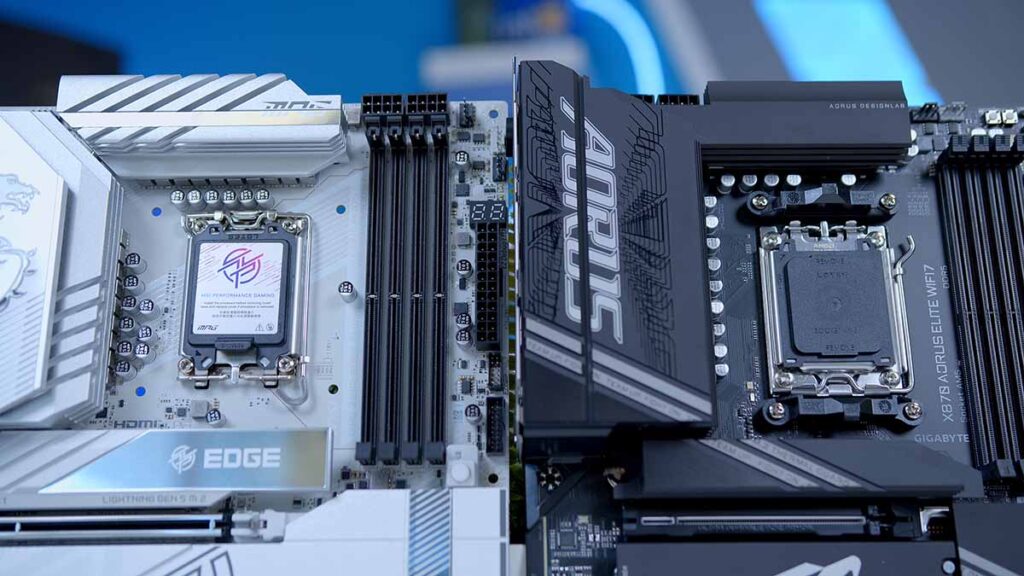
Intel Chipsets
Common examples:
- H610 (entry-level)
- B760 (mid-range)
- Z790 (high-end gaming and overclocking)
Intel chipsets are known for stability and strict compatibility rules.
AMD Chipsets
Common examples:
- A520 (budget)
- B550 / B650 (mid-range gaming)
- X570 / X670 (high-performance systems)
AMD chipsets are popular for better upgrade flexibility and longer support cycles.
Chipset vs Motherboard
Many users confuse these two components.
Motherboard
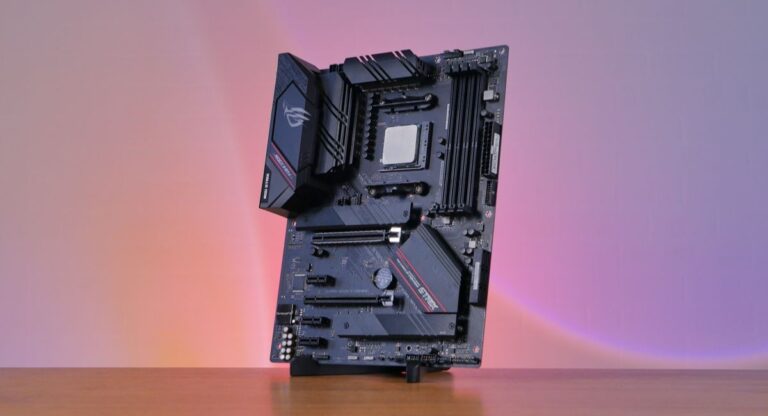
The motherboard is the physical circuit board where all components are installed.
Chipset
The chipset is the controller system that manages communication between all components.
Simple Example
- Motherboard = Building
- Chipset = Traffic control system inside the building
Importance of a Chipset
A chipset on the motherboard is important because it determines the system’s capabilities.
Why it matters
- Controls hardware compatibility
- Affects upgrade options
- Manages system performance limits
- Supports gaming and productivity features
- Ensures system stability
Benefits of a Good Chipset
A high-quality chipset improves overall system experience.
Key Benefits
- Faster data transfer speeds
- Better gaming performance stability
- Improved system reliability
- More connectivity options
- Enhanced overclocking support
- Efficient power management
Chipset and Gaming Performance
Although the chipset does not directly increase FPS, it plays an indirect but important role in gaming performance by improving data flow, stability, and hardware communication efficiency.
Gaming Benefits
- Supports high-speed GPU communication via PCIe
- Improves SSD loading times
- Ensures stable CPU performance
- Prevents system bottlenecks during gameplay
A good chipset ensures smoother and more consistent gaming experience.
Can You Upgrade a Chipset?
A chipset cannot be upgraded separately.
Important Fact
- The chipset is permanently built into the motherboard
- To upgrade chipset features, you must replace the motherboard
How to Check Your Chipset
You can identify your chipset using different methods.
Methods
- Windows System Information
- Device Manager
- CPU-Z software
- BIOS settings
Example:
- Intel Z790 chipset
- AMD B650 chipset
Future of Chipsets
Chipsets are continuously evolving to support modern technologies.
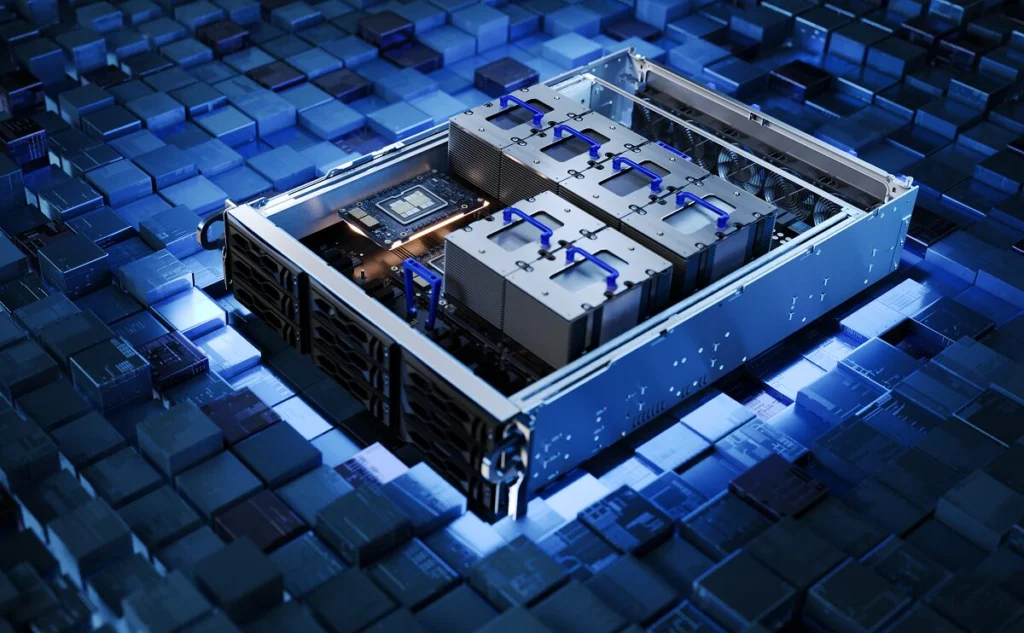
Future Improvements
- PCIe 5.0 and newer standards
- DDR5 and upcoming DDR6 support
- Faster USB and connectivity options
- AI-based system optimization
- Improved energy efficiency
- Wi-Fi 7 and advanced networking
FAQ’s
1.What is a chipset on the motherboard?
A chipset is a set of integrated circuits on the motherboard that controls communication between CPU, memory, storage, and other hardware components efficiently.
2.Does chipset affect gaming performance?
Yes, indirectly. It improves GPU communication, storage speed, system stability, and ensures smoother gaming performance by reducing bottlenecks during heavy workloads and intensive gaming sessions.
3.Can I upgrade my chipset?
No, the chipset is built into the motherboard and cannot be upgraded separately. To upgrade chipset features or support, you must replace the entire motherboard completely.
4.What is the difference between CPU and chipset?
The CPU processes instructions and performs calculations, while the chipset manages communication between all components in the system.
5.Which chipset is best for gaming?
High-end chipsets like Intel Z790 and AMD X670 are best for gaming because they support overclocking, faster PCIe lanes, and stable high-performance system operation.
Conclusion
A chipset on the motherboard is a vital part of any computer system that controls communication between all hardware components. It determines system performance, compatibility, and feature support. While it does not process data like a CPU, it ensures everything works together smoothly. Choosing the right chipset is essential for building a powerful, stable, and future-ready computer system.