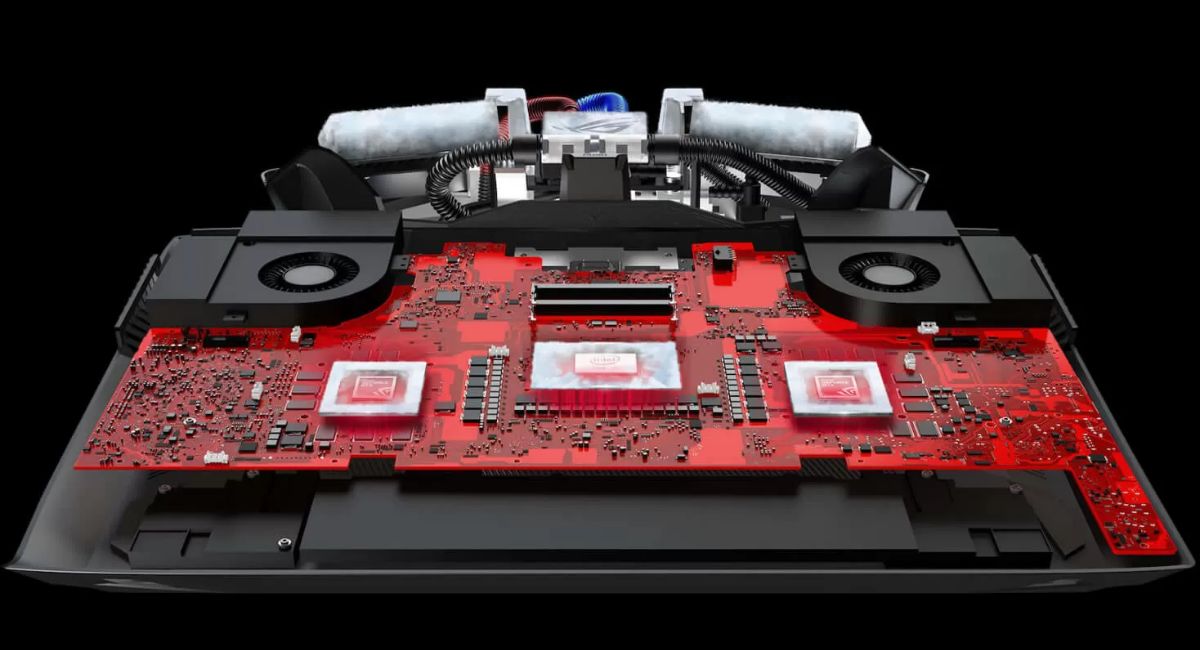
GTX 1080 Motherboard Schematic Explained- Full Technical Guide
The GTX 1080 motherboard schematic is a technical reference that explains how the NVIDIA GeForce GTX 1080 graphics card connects and communicates with a computer motherboard at the circuit level. It details power delivery, data signals, memory communication, and PCIe lane interactions between the GPU and system hardware. This schematic is used by hardware engineers, technicians, and advanced PC builders to diagnose issues and understand system behavior. It provides a deeper electrical view, helping in troubleshooting, analysis, and repair tasks.
gtx 1080 motherboard schematic explains GPU-to-motherboard connections, PCIe lanes, and power design for troubleshooting, repair, and hardware analysis.
- What Is GTX 1080 Motherboard Schematic?
- GTX 1080 GPU Architecture Overview
- How GTX 1080 Connects to the Motherboard
- Internal Structure of GTX 1080 Schematic
- Importance of GTX 1080 Motherboard Schematic
- Power Delivery System in GTX 1080
- Role of Motherboard in GTX 1080 System
- Common Problems Identified in Schematics
- Troubleshooting Using GTX 1080 Schematic
- GTX 1080 vs Modern GPUs
- Advantages of Studying GPU Schematics
- Frequently Asked Questions
- Conclusion
- Related post
What Is GTX 1080 Motherboard Schematic?
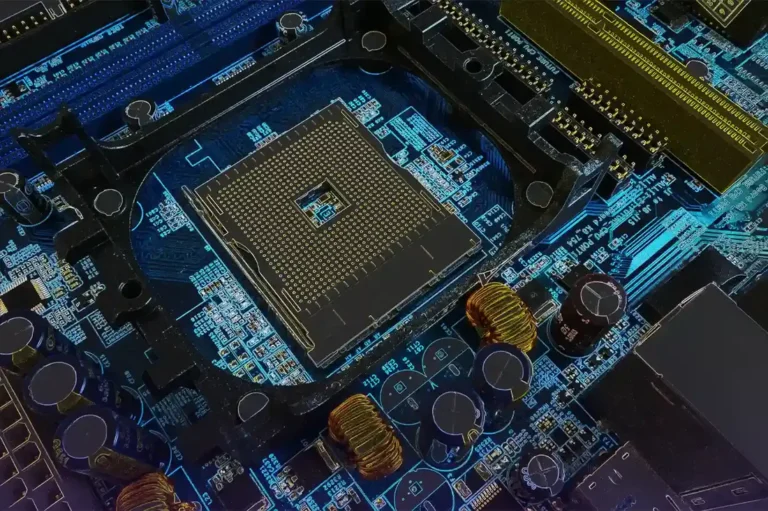
A gtx 1080 motherboard schematic is not a physical diagram of a motherboard, but a circuit-level blueprint of how the GPU integrates into a system. It represents electrical pathways, power flow, and signal communication between the GPU and motherboard.
It helps explain how the graphics card receives power, how it communicates with the CPU, and how memory modules are managed internally.
It typically includes:
- GPU core power circuits
- VRM (Voltage Regulation Module) design
- PCIe interface connections
- Memory (GDDR5X) routing
- Power input distribution
- Signal transmission lines
- Cooling and thermal control layout
GTX 1080 GPU Architecture Overview
The GTX 1080 is built on NVIDIA’s Pascal architecture, which was designed for high performance, energy efficiency, and improved gaming output. It was one of the most powerful GPUs of its generation and still performs well in modern gaming setups.
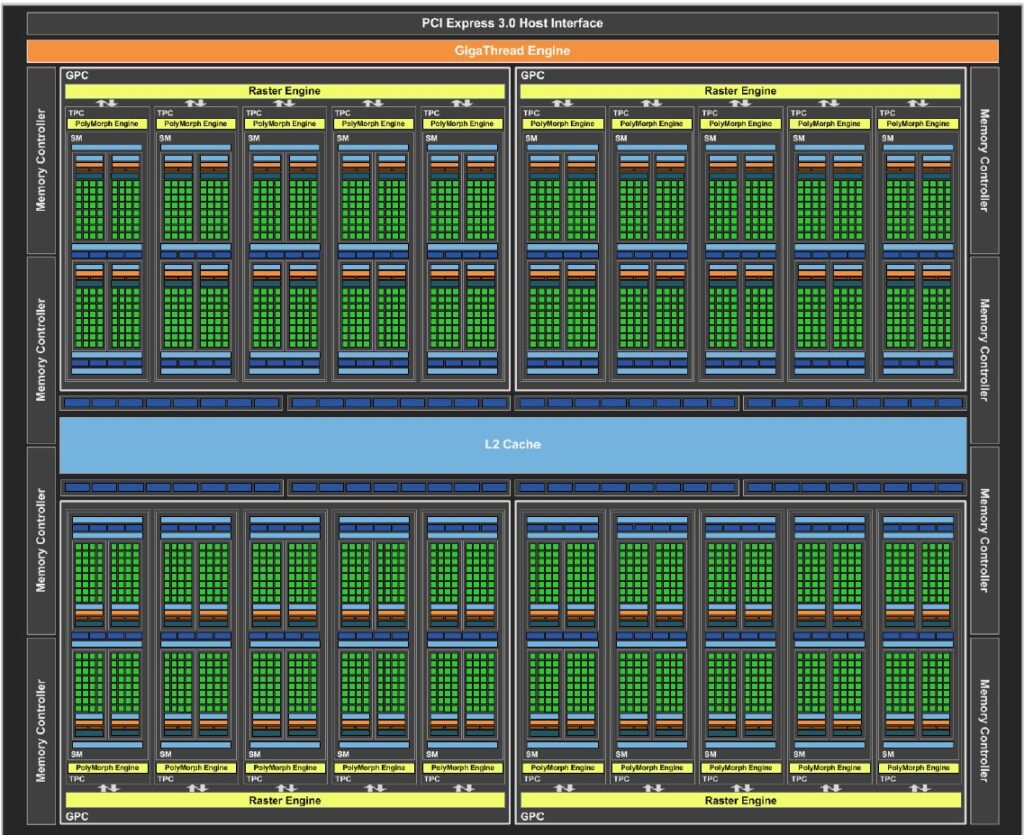
The GPU includes 2560 CUDA cores and uses 8GB GDDR5X memory, which allows it to handle high-resolution textures and demanding workloads.
Its architecture is tightly connected to motherboard systems through PCIe and power delivery circuits shown in schematics.
How GTX 1080 Connects to the Motherboard
The GTX 1080 connects to the motherboard using the PCI Express x16 slot, which is the main data highway between GPU and CPU.
When installed, the motherboard does not process graphics itself but provides a communication channel and system coordination.
Key interactions include:
- PCIe data transfer between CPU and GPU
- BIOS detection of graphics hardware
- System memory coordination
- Power distribution from PSU to GPU
- Driver initialization during boot
This interaction is essential for system performance and stability.
Internal Structure of GTX 1080 Schematic
The schematic of GTX 1080 is divided into several functional sections, each handling a specific role in GPU performance.
1. GPU Core Section
This is the central processing unit of the graphics card responsible for rendering graphics, shaders, and computational tasks.
2. VRM Power System
The Voltage Regulation Module (VRM) ensures stable voltage supply to GPU core and memory, preventing damage and performance instability.
3. Memory Subsystem
This section connects the GPU to GDDR5X memory chips, enabling fast data transfer and high-speed rendering.
4. PCIe Interface Circuit
Handles communication between motherboard and GPU through high-speed PCIe lanes.
5. Power Input Section
Includes 6-pin and 8-pin connectors that supply additional power from the PSU.
6. Thermal Management Layout
Controls heat distribution using fans, heatsinks, and thermal pads.
Importance of GTX 1080 Motherboard Schematic
The schematic is extremely important for hardware diagnostics and engineering analysis.
Key benefits:
- Helps identify hardware failures
- Assists GPU repair technicians
- Improves understanding of power flow
- Useful for overclocking stability analysis
- Helps in motherboard compatibility checks
It is mostly used in professional repair labs and engineering environments rather than normal PC usage.
Power Delivery System in GTX 1080
Power delivery is one of the most critical parts shown in the schematic. The GTX 1080 requires stable and efficient power to function properly.
Power sources include:
- PCIe slot (up to 75W)
- 6-pin connector (75W)
- 8-pin connector (150W)
Total power usage:
Around 180W–200W under load conditions
The VRM system distributes this power evenly to GPU components, ensuring stability during gaming and heavy workloads.
Role of Motherboard in GTX 1080 System
The motherboard acts as the central communication hub between CPU, GPU, and other components.
Although it does not directly process graphics, it plays a crucial supporting role.
Responsibilities include:
- Hosting PCIe x16 slot
- Providing system communication pathways
- Supporting BIOS-level GPU detection
- Coordinating CPU and GPU tasks
- Ensuring stable system power flow
A weak or outdated motherboard can limit overall GPU performance indirectly.
Common Problems Identified in Schematics
Engineers often use schematics to identify hardware faults in GTX 1080 GPUs.
Common issues include:
- VRM overheating or failure
- Memory chip damage
- PCIe slot connection errors
- Power supply instability
- Broken signal traces
These issues can lead to black screen, crashes, or no display output.
Troubleshooting Using GTX 1080 Schematic
Technicians rely on schematics to perform detailed diagnostics.
Steps include:
- Checking power input continuity
- Measuring VRM voltage output
- Testing memory communication lines
- Inspecting PCIe connection integrity
- Verifying thermal performance
This approach helps in repairing GPUs at component level rather than replacing the entire card.
GTX 1080 vs Modern GPUs
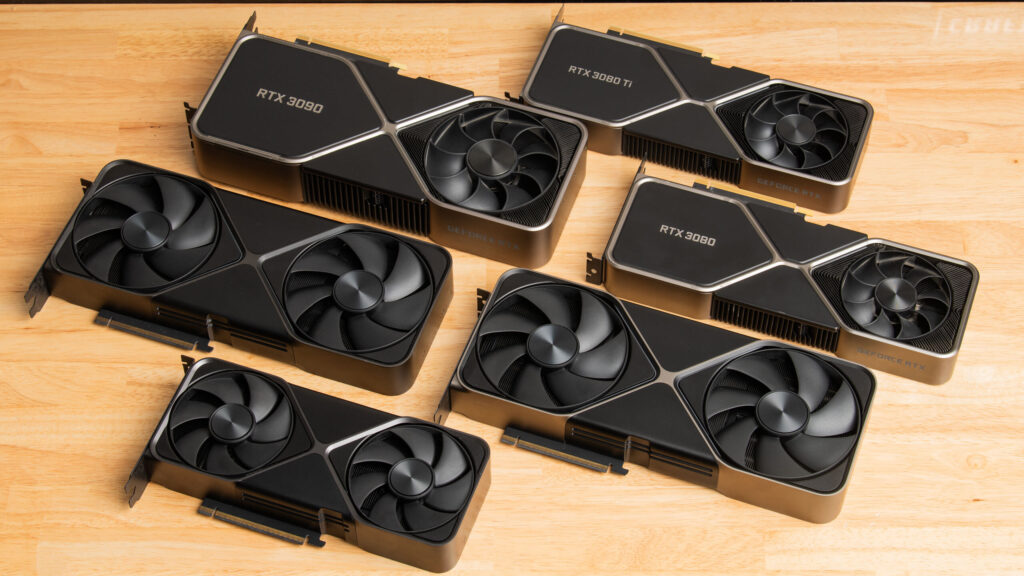
While the GTX 1080 is still capable, modern GPUs offer advanced features.
GTX 1080 strengths:
- Strong 1080p and 1440p performance
- Reliable Pascal architecture
- Efficient power usage
Limitations:
- No ray tracing support
- Older memory technology
- Less AI acceleration capability
Despite this, it remains widely used in mid-range gaming systems.
Advantages of Studying GPU Schematics
Understanding GPU schematics provides deep technical knowledge.
Key advantages:
- Improves hardware troubleshooting skills
- Helps in repair and diagnostics
- Builds engineering understanding
- Useful for PC optimization
- Enhances GPU architecture knowledge
Frequently Asked Questions
1. What is GTX 1080 motherboard schematic used for?
It is used to understand how the GTX 1080 GPU connects electrically to a motherboard, including power, memory, and communication pathways.
2. Does GTX 1080 depend on motherboard?
Yes, it depends on the motherboard for PCIe communication and system coordination but uses its own dedicated power supply for processing.
3. Can GTX 1080 work on any motherboard?
It works on most modern motherboards with a PCIe x16 slot, but performance depends on system compatibility and power stability.
4. Why is schematic important in GPU repair?
Because it helps technicians identify electrical faults, trace circuits, and repair damaged components at hardware level.
5. Is GTX 1080 still good in 2026?
Yes, it still performs well for 1080p and 1440p gaming, although it lacks modern features like ray tracing and DLSS.
Conclusion
The gtx 1080 motherboard schematic is an important technical blueprint that explains how the GPU interacts with system hardware at a circuit level. It covers power delivery, PCIe communication, memory structure, and thermal design. Understanding it helps in troubleshooting, repair, and performance analysis. Even today, the GTX 1080 remains a reliable GPU for many gaming and professional systems.