Ultimate Motherboard Manual Guide for PC Builders – Complete Guide
A motherboard manual is an essential document that explains every feature, component, and function of a computer motherboard. It helps users understand installation, BIOS settings, compatibility, and troubleshooting in detail. Whether you are a beginner or professional PC builder, this guide ensures safe and correct setup. Ignoring the manual can lead to hardware damage and system errors. This article provides a complete, SEO-friendly explanation of motherboard manuals in a simple and professional way.
Learn everything about motherboard manual, including installation, BIOS setup, features, benefits, and troubleshooting for safe and efficient PC building.
- What is a Motherboard Manual?
- Importance of Motherboard Manual
- Features of Motherboard Manual
- Benefits of Using Motherboard Manual
- Types of Motherboard Manuals
- Motherboard Components Explained in Manual
- Installation Guide from Manual
- BIOS Settings Explained
- Troubleshooting Using Manual
- Maintenance Tips
- Advanced Settings in Motherboard Manual
- Common Mistakes Users Make
- FAQ’s
- Conclusion
- Related post
What is a Motherboard Manual?
A motherboard manual is an official guide provided by the manufacturer that explains the technical structure, layout, and usage instructions of a motherboard. It contains detailed information about ports, connectors, BIOS settings, and installation steps.
It is usually available in printed form inside the motherboard box or as a PDF file on the official website.
This manual acts as a complete guidebook for understanding how each part of the motherboard works and how to install components correctly.
Without this manual, users may face installation errors, compatibility issues, or system failure.
Importance of Motherboard Manual
A motherboard manual is extremely important for both beginners and professionals because it ensures correct hardware setup and system stability.
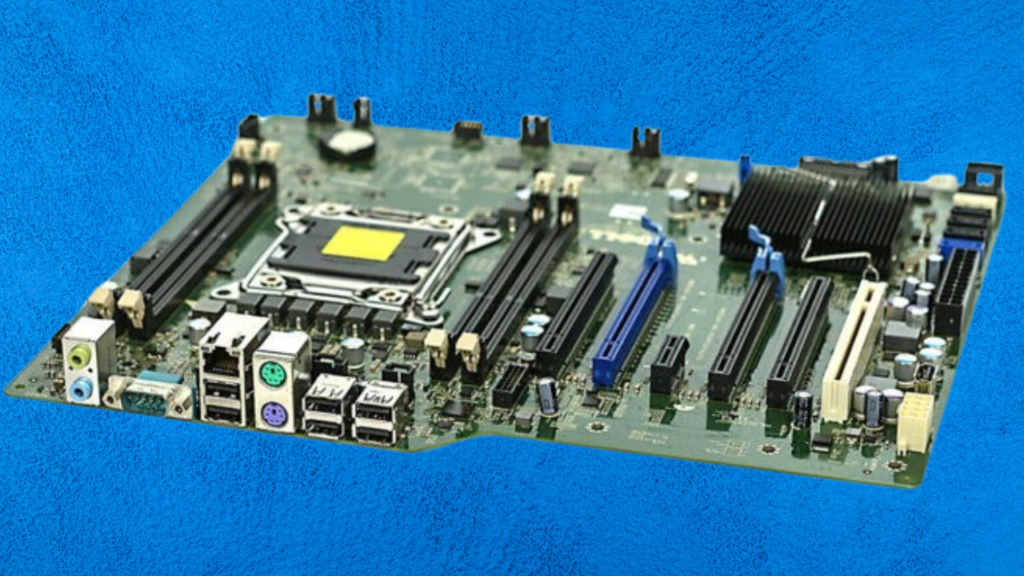
Key Importance Points:
- Ensures safe installation of CPU, RAM, and GPU
- Provides BIOS configuration guidance
- Helps avoid hardware compatibility issues
- Supports troubleshooting and error detection
- Improves system performance and stability
- Guides advanced settings like overclocking
Using the manual reduces the risk of wrong connections and damage to expensive components.
Features of Motherboard Manual
A motherboard manual includes many useful features that make PC building easier and more accurate.
Main Features:
- Detailed motherboard layout diagrams
- CPU socket compatibility list
- RAM slot configuration guide
- BIOS update instructions
- Storage connection details (SATA & M.2)
- Power connector layout (24-pin, 8-pin CPU)
- LED indicators and beep codes explanation
- Front panel header instructions
These features help users understand the hardware structure visually and technically.
Benefits of Using Motherboard Manual
Using a motherboard manual provides several advantages for anyone building or upgrading a PC.
Benefits:
- Reduces risk of hardware damage
- Saves time during PC assembly
- Ensures proper component installation
- Improves system performance
- Helps in quick troubleshooting
- Provides better cable management guidance
- Supports BIOS optimization
- Increases hardware lifespan
Overall, it acts as a step-by-step support system for PC builders.
Types of Motherboard Manuals
1. Printed Manual
A printed manual comes inside the motherboard box. It is useful for offline reference and contains basic setup instructions.
2. Digital PDF Manual
A PDF manual is available on the manufacturer’s website. It is more detailed, searchable, and updated regularly.
3. Quick Installation Guide
This is a short version of the manual designed for beginners. It focuses on basic installation steps only.
4. Advanced Technical Manual
This type is for professionals and engineers. It includes advanced settings like BIOS tuning, voltage control, and overclocking options.
Motherboard Components Explained in Manual
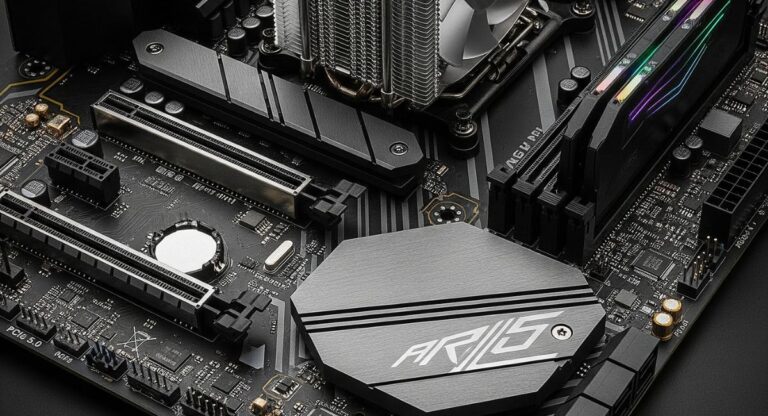
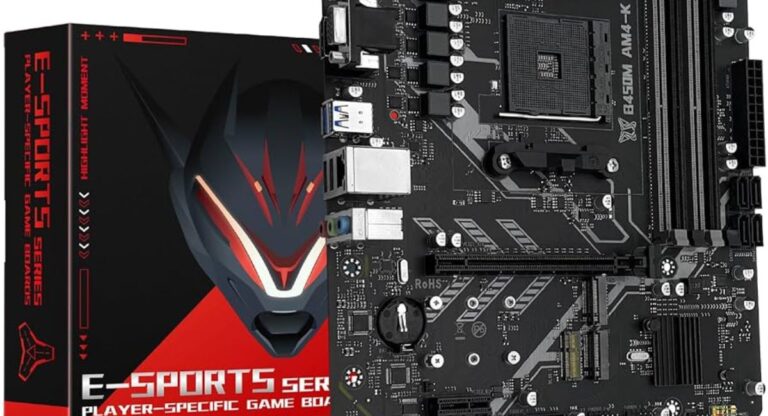
A motherboard manual explains all major components clearly with diagrams.
Key Components:
- CPU Socket
- RAM Slots (DIMM)
- PCIe Slots for GPU
- SATA Ports for storage devices
- M.2 Slots for SSDs
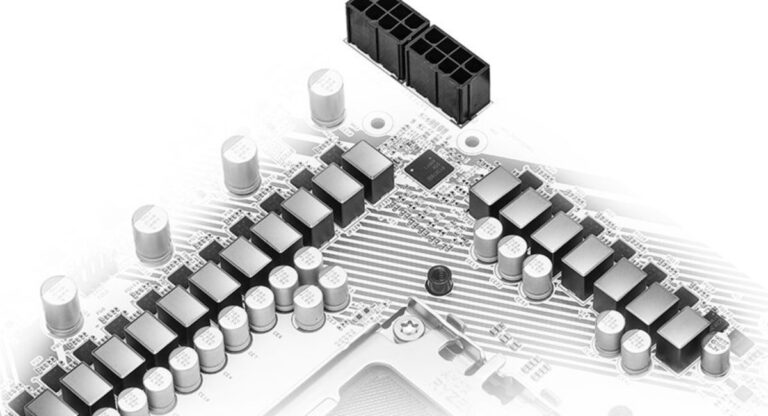
- Power Connectors (24-pin & CPU 8-pin)
- CMOS Battery
- BIOS Chip
- I/O Ports (USB, HDMI, LAN)
Each component is explained with location markers and installation instructions.
Installation Guide from Manual
The motherboard manual provides step-by-step installation instructions for building a PC safely.
Steps:
- Install CPU carefully into socket
- Insert RAM into correct slots
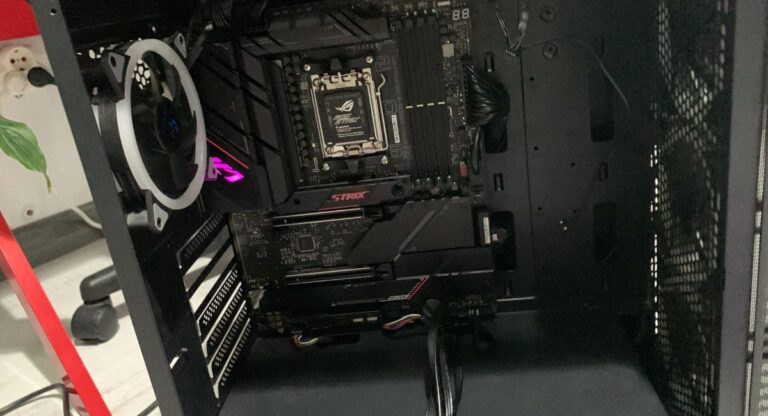
- Mount motherboard into PC case
- Connect power supply cables (PSU)
- Attach storage devices (SSD/HDD)
- Install GPU into PCIe slot
- Connect front panel cables
- Boot system and enter BIOS setup
Following these steps ensures a safe and error-free installation.
BIOS Settings Explained
BIOS (Basic Input Output System) is one of the most important parts explained in the motherboard manual.
Functions:
- Controls boot order settings
- Monitors hardware performance
- Adjusts fan speed control
- Enables overclocking options
- Configures secure boot settings
- Manages system time and hardware detection
Proper BIOS configuration improves system stability and speed.
Troubleshooting Using Manual
A motherboard manual also helps fix common system problems using error codes and solutions.

Common Issues:
- No display output
- RAM not detected
- Beep error codes
- System boot failure
- Overheating issues
- USB or port malfunction
Each issue has a step-by-step solution guide in the manual.
Maintenance Tips
Proper maintenance ensures long-term motherboard performance and stability.
Tips:
- Keep system dust-free
- Update BIOS regularly
- Ensure proper cooling system
- Use stable power supply (PSU)
- Check all cable connections
- Monitor temperature levels
These practices help protect your hardware investment.
Advanced Settings in Motherboard Manual
Advanced users can explore powerful features using the manual.
Advanced Options:
- CPU overclocking control
- Memory timing adjustments
- Voltage control settings
- RAID configuration setup
- Fan curve customization
- Performance tuning modes
These settings should be used carefully to avoid system instability.
Common Mistakes Users Make
Many users ignore the motherboard manual and make avoidable mistakes.
Mistakes:
- Installing RAM in wrong slots
- Incorrect CPU placement
- Ignoring BIOS updates
- Poor cable management
- Not grounding system properly
These mistakes can lead to hardware failure or poor performance.
FAQ’s
1. What is a motherboard manual used for?
A motherboard manual is used for installation guidance, BIOS setup, troubleshooting, and hardware understanding to ensure safe PC building and system optimization.
2. Why is a motherboard manual important?
It is important because it helps prevent hardware damage, ensures correct component installation, and provides proper system configuration instructions.
3. Can I download a motherboard manual online?
Yes, most manufacturers provide free PDF motherboard manuals on their official websites for every model.
4. What information does a motherboard manual include?
It includes installation steps, diagrams, BIOS settings, troubleshooting guides, and hardware specifications.
5. Is BIOS update safe according to manual?
Yes, but only when required. It should be done carefully following the official instructions in the motherboard manual.
Conclusion
A motherboard manual is a complete guide that helps users with installation, configuration, troubleshooting, and maintenance. It ensures safe PC building and improves system performance and stability. By following it properly, users can avoid costly mistakes and hardware damage. It is an essential document for every PC builder, technician, and beginner user.