Any Time Interrogation (ATI)- Complete Guide to Telecom Networks, Privacy, Security, and Compliance
Modern mobile networks depend on sophisticated signaling systems to keep billions of users connected every day. One of the most important processes working behind the scenes is Any Time Interrogation (ATI). Although most mobile users never hear about it, ATI plays a critical role in subscriber management, fraud prevention, roaming services, emergency communications, and network optimization.
As telecom networks continue evolving from traditional GSM infrastructure to advanced 4G LTE and 5G systems, understanding ATI has become increasingly important for network operators, businesses, regulators, and privacy-conscious consumers.
This guide explains what Any Time Interrogation is, how it works, its benefits, legal considerations, security challenges, and future developments.
Learn what Any Time Interrogation (ATI) is, how it works in telecom networks, its role in SS7 signaling, privacy concerns, security risks, legal compliance, and 5G integration.
- What Is Any Time Interrogation?
- How Any Time Interrogation Works
- Key Components Behind ATI
- Why Telecom Operators Use ATI
- ATI and Emergency Services
- Privacy Considerations
- Security Risks and SS7 Vulnerabilities
- Legal and Regulatory Compliance
- ATI in 5G Networks
- ATI vs Traditional Location Updates
- Future of Any Time Interrogation
- Frequently Asked Questions
- Conclusion
- Related post
What Is Any Time Interrogation?
Any Time Interrogation (ATI) is a telecom signaling procedure that allows authorized network elements to request subscriber information from network databases in real time.
ATI is commonly performed through the Mobile Application Part (MAP) of the SS7 signaling network and enables operators to retrieve information such as:
- Subscriber status
- Current serving network
- Roaming information
- Location area data
- Cell identification
- Network attachment status
- Mobile subscriber details
Unlike standard location updates that occur automatically, ATI is an on-demand request initiated by authorized systems whenever subscriber information is required.
How Any Time Interrogation Works
The ATI process follows several steps:

Request Initiation
A network application sends an ATI request to retrieve subscriber information.
SS7 Signaling Network Processing
The request travels through the SS7 signaling infrastructure.
Database Query
The Home Location Register (HLR) or Home Subscriber Server (HSS) receives the request and searches for the requested subscriber information.
Response Delivery
The requested information is returned to the authorized network application.
Service Decision
Operators use the returned data to support billing, routing, roaming verification, fraud detection, or service management.
The entire process typically takes only a few seconds.
Key Components Behind ATI
Signaling System No. 7 (SS7)
SS7 is the global signaling framework used by telecom operators for exchanging control information between network elements.
ATI depends on SS7 for fast and reliable communication.
Mobile Application Part (MAP)
MAP is a protocol within SS7 that allows network databases and service platforms to exchange subscriber information.
ATI is one of the most widely used MAP operations.
Home Location Register (HLR)
HLR is the primary subscriber database used in GSM networks.
It stores:
- Subscriber identity
- Service subscriptions
- Current network location
- Roaming status
Home Subscriber Server (HSS)
In LTE and 5G networks, HSS performs similar functions while supporting advanced IP-based services.
Why Telecom Operators Use ATI
Roaming Verification
ATI allows operators to confirm whether a subscriber is currently connected while traveling between networks.
Fraud Detection
Operators use ATI to detect:
- SIM cloning
- Unusual location changes
- Suspicious network activity
- Unauthorized access attempts
Location-Based Services
ATI supports services such as:
- Navigation systems
- Fleet tracking
- Geofencing
- Emergency response applications
Network Optimization
Real-time subscriber visibility helps operators allocate resources more efficiently and improve network performance.
ATI and Emergency Services
Emergency communication systems rely heavily on accurate subscriber information.
ATI helps support:
- Emergency call routing
- Public safety communications
- Disaster response systems
- Enhanced location services
Fast access to location-related information can significantly improve emergency response times.
Privacy Considerations
Because ATI can reveal subscriber-related information, privacy protection is extremely important.
Potential concerns include:
- Unauthorized tracking
- Improper data access
- Consumer privacy violations
- Cross-border surveillance
Telecom operators must implement strict controls to prevent misuse.
Security Risks and SS7 Vulnerabilities
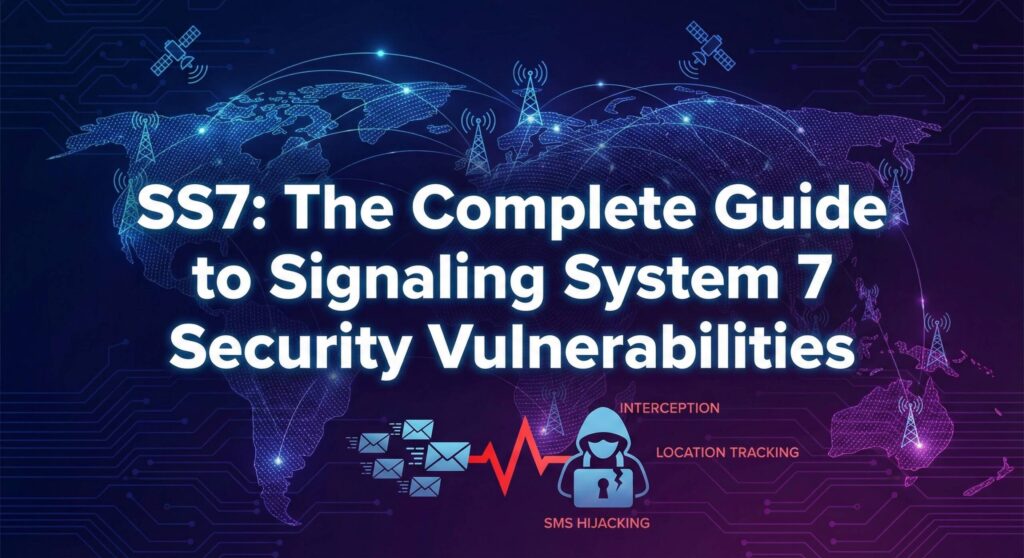
One of the biggest concerns surrounding ATI involves vulnerabilities within legacy SS7 networks.
Potential risks include:
- Unauthorized ATI requests
- Subscriber tracking attacks
- Location monitoring
- Information disclosure
To reduce these risks, operators deploy:
- SS7 firewalls
- Signaling monitoring tools
- Access control systems
- Traffic filtering solutions
Legal and Regulatory Compliance
GDPR
Under the General Data Protection Regulation (GDPR), location data may be considered personal information and must be protected appropriately.
FCC Regulations
In the United States, telecom providers must comply with Customer Proprietary Network Information (CPNI) requirements.
CCPA
California residents have specific rights regarding the collection and use of personal data.
Lawful Interception
ATI may support authorized investigations when used according to applicable laws and court orders.
ATI in 5G Networks
While 5G introduces more secure signaling frameworks, ATI-related functions remain essential for subscriber management.
Benefits in 5G environments include:
- Faster authentication
- Improved roaming management
- Better service automation
- Enhanced network intelligence
ATI vs Traditional Location Updates
| Feature | ATI | Location Update |
| On-Demand Query | Yes | No |
| Real-Time Information | Yes | Limited |
| User Interaction Required | No | No |
| Network Visibility | High | Moderate |
| Service Interruption | No | No |
Future of Any Time Interrogation
Emerging technologies are transforming telecom signaling systems.
Future developments may include:
- Artificial Intelligence integration
- Predictive analytics
- Cloud-native telecom infrastructure
- Advanced fraud detection
- Enhanced security controls
- 5G core network optimization
These innovations will help operators deliver faster, safer, and more reliable services.
Frequently Asked Questions
1. What does ATI stand for in telecom?
ATI stands for Any Time Interrogation, a signaling procedure used to retrieve subscriber information from telecom network databases in real time.
2. Is Any Time Interrogation legal?
Yes. ATI is legal when performed by authorized telecom operators and network elements in accordance with privacy regulations and telecommunications laws.
3. Can ATI determine a user’s location?
ATI can retrieve location-related network information such as location area and cell identifiers when authorized and technically available.
4. Is ATI still used in 5G networks?
Yes. Although signaling technologies have evolved, ATI-related subscriber information retrieval functions continue to support modern LTE and 5G networks.
5. Why is Any Time Interrogation important?
ATI helps telecom operators manage roaming, prevent fraud, optimize network resources, support emergency services, and improve overall service quality.
Conclusion
Any Time Interrogation (ATI) is a critical telecom signaling process that enables real-time access to subscriber information for network management, roaming verification, fraud detection, and emergency services. As 5G networks expand and privacy regulations evolve, operators must implement strong security measures and compliance practices to protect user data while ensuring reliable, efficient, and trustworthy communication services.