How Important Is a Motherboard for Gaming Performance
When building a gaming PC, most people focus on graphics cards and processors, often overlooking the motherboard.
However, the motherboard plays a critical role in determining overall system performance, stability, and upgrade potential. It connects all components and ensures they work efficiently together.
Understanding how important a motherboard is for gaming helps you make smarter decisions, avoid bottlenecks, and build a system that delivers smooth gameplay, reliability, and long-term value without unnecessary limitations.
Why is a motherboard important? Learn how it connects all computer components, ensures performance, and acts as the backbone of every system.
- Understanding the Role of a Motherboard in Gaming
- Does the Motherboard Directly Affect Gaming Performance
- Importance of Chipset in Gaming
- Role of VRM Quality in Gaming Stability
- RAM Compatibility and Speed Support
- PCIe Slots and Graphics Card Performance
- Storage Options and Game Loading Times
- Connectivity and Gaming Experience
- Overclocking Capabilities
- Cooling Support and Thermal Management
- Upgrade Potential and Future Proofing
- Budget vs High-End Motherboards for Gaming
- Common Misconceptions About Motherboards in Gaming
- FAQs
- Conclusion
- Related Post
Understanding the Role of a Motherboard in Gaming
The motherboard acts as the backbone of any gaming computer. It is the platform where all essential components come together, including the CPU, RAM, storage devices, and graphics card. Without it, communication between hardware components would not be possible.
In gaming systems, the motherboard ensures that data flows smoothly between the processor and the graphics card.
This coordination is crucial for rendering high-quality visuals and maintaining consistent frame rates.
While the motherboard does not directly generate performance like a GPU, it supports and enhances the capabilities of all other components.
A well-designed motherboard provides stability, efficient power delivery, and compatibility, all of which contribute to a better gaming experience.
Does the Motherboard Directly Affect Gaming Performance
The motherboard does not directly increase frame rates in the same way a graphics card or processor does. However, it has a strong indirect impact on performance. It determines which components you can use and how effectively they operate.
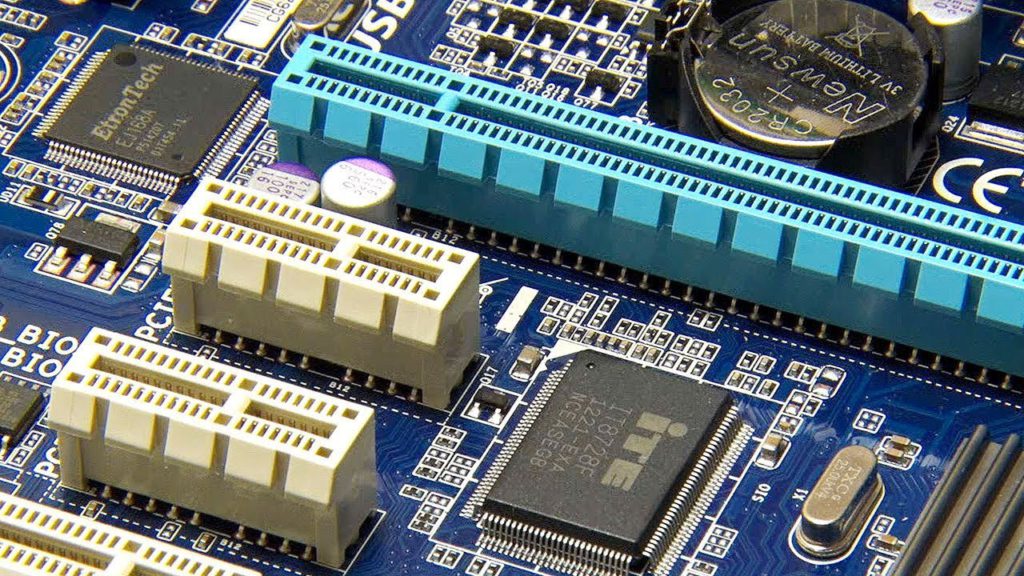
For instance, a motherboard with weak power delivery can restrict the performance of a high-end processor.
Similarly, limited RAM support can restrict multitasking and game responsiveness. The quality of PCIe slots also affects how efficiently a graphics card communicates with the system.
Therefore, while it may not boost performance numbers directly, the motherboard sets the foundation that allows other components to perform at their best.
Importance of Chipset in Gaming
The chipset is one of the most important aspects of a motherboard. It controls communication between the CPU, RAM, storage, and expansion devices. Different chipsets offer varying levels of performance and features.
In gaming, a higher-end chipset provides better support for faster memory speeds, more PCIe lanes, and advanced technologies. These features improve system responsiveness and reduce bottlenecks.
A lower-end chipset may restrict certain capabilities, such as overclocking or high-speed storage support, which can affect overall gaming performance.
Choosing the right chipset ensures that your system can handle modern games efficiently.
Role of VRM Quality in Gaming Stability
Voltage Regulator Modules are responsible for supplying stable power to the CPU. In gaming systems, especially those running demanding titles, stable power delivery is essential.
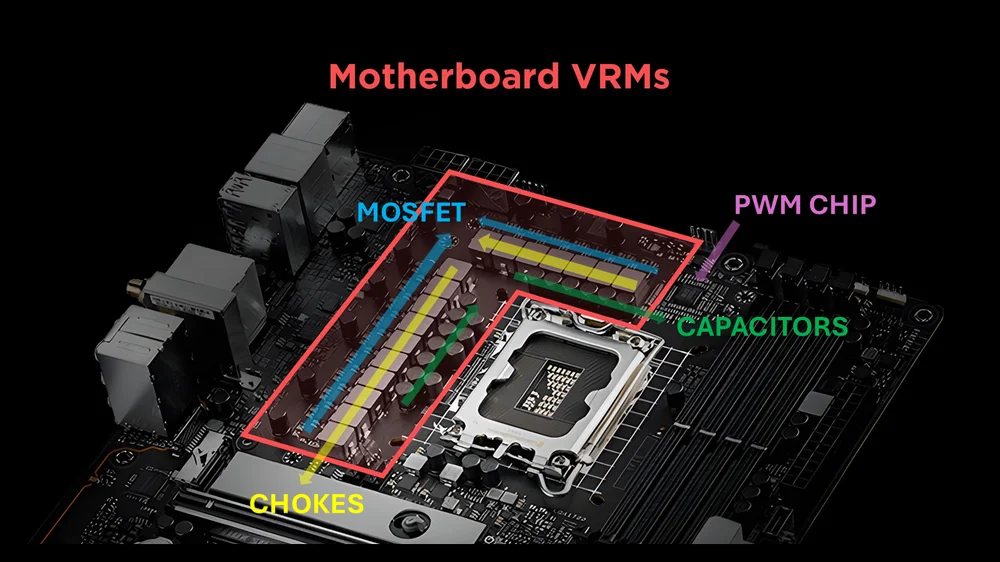
High-quality VRMs help maintain consistent performance during long gaming sessions. They prevent overheating and ensure that the processor receives the required voltage without fluctuations.
Poor VRM design can lead to instability, reduced performance, and even system crashes. For gamers who use powerful processors or overclock their systems, VRM quality becomes even more important.
RAM Compatibility and Speed Support
The motherboard determines the type, capacity, and speed of RAM that can be used. In gaming, RAM plays a key role in loading assets, reducing stutter, and improving overall responsiveness.
A motherboard that supports higher RAM speeds allows for better performance in memory-intensive games.
It also enables smoother multitasking, such as running background applications while gaming.
Limited RAM support can become a bottleneck, especially in modern games that require more memory.
Choosing a motherboard with good RAM compatibility ensures that your system remains future-proof.
PCIe Slots and Graphics Card Performance
The PCIe slot is where the graphics card is installed. Its version and bandwidth directly affect how efficiently the GPU communicates with the rest of the system.
Modern motherboards support advanced PCIe versions, which offer higher data transfer speeds. This ensures that the graphics card can perform without restrictions.
Older or lower-end motherboards may have limited bandwidth, which can slightly impact performance in high-end gaming setups. While the difference may not always be noticeable, it becomes more important with powerful GPUs.
Storage Options and Game Loading Times
Gaming performance is not only about frame rates but also about loading times and system responsiveness. The motherboard determines the type of storage devices you can use, such as SATA drives or faster NVMe SSDs.
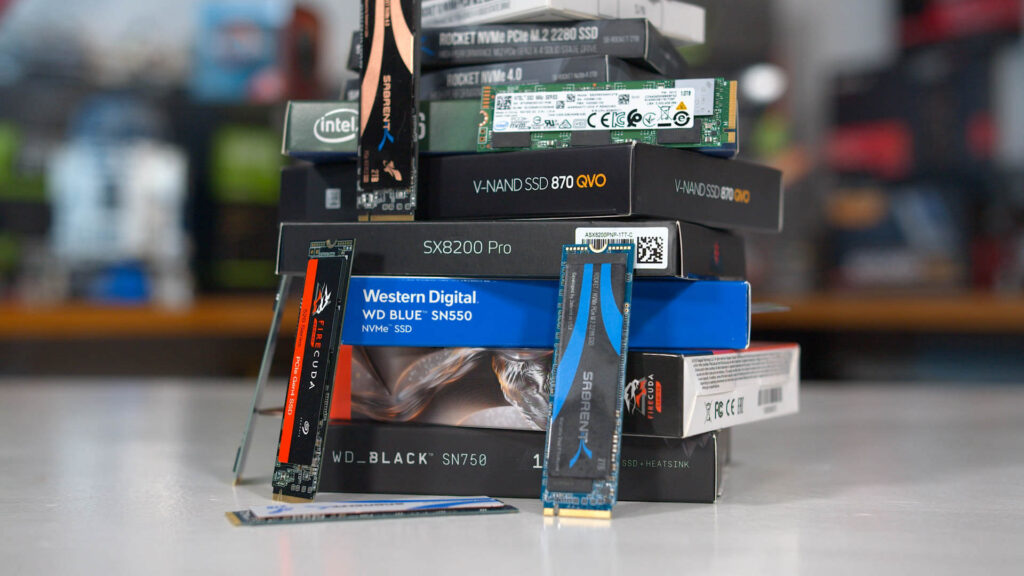
Motherboards with support for high-speed storage significantly reduce game loading times. They also improve system boot speed and overall performance.
Having multiple storage slots allows gamers to install more games without worrying about space limitations. This flexibility enhances the overall gaming experience.
Connectivity and Gaming Experience
Modern gaming requires more than just performance. Online gaming, streaming, and peripheral connectivity all depend on the motherboard.
Features such as high-speed Ethernet, Wi-Fi support, and multiple USB ports improve connectivity. A reliable network connection is essential for competitive gaming, where latency can affect performance.
Good audio support also enhances immersion, allowing players to experience high-quality sound effects and communication. The motherboard plays a central role in providing these features.
Overclocking Capabilities
For gamers who want to push their systems beyond standard performance levels, overclocking is an important feature.
The motherboard determines whether overclocking is possible and how effectively it can be done.
High-end motherboards offer advanced BIOS settings and better cooling solutions, allowing for stable overclocking. This can lead to improved performance in demanding games.
However, not all motherboards support overclocking. Choosing the right one ensures that you can take full advantage of your hardware if needed.
Cooling Support and Thermal Management
Gaming systems generate a significant amount of heat, especially during long sessions. The motherboard plays a role in managing this heat by supporting cooling solutions.

It provides headers for fans, liquid cooling systems, and temperature sensors. Proper thermal management ensures that components operate efficiently without overheating.
A motherboard with good cooling support helps maintain stable performance and extends the lifespan of your hardware.
Upgrade Potential and Future Proofing
A good motherboard allows for future upgrades, which is important for gamers who want to keep their systems relevant over time. It determines how easily you can upgrade components such as the CPU, RAM, and storage.
Choosing a motherboard with modern features and expansion options ensures that your system can handle future gaming requirements. This reduces the need for a complete system rebuild.
Future-proofing is an important consideration, especially for gamers who want long-term value from their investment.
Budget vs High-End Motherboards for Gaming
Not all gaming systems require expensive motherboards. Budget options can still provide good performance if they meet basic requirements.
High-end motherboards offer additional features, better build quality, and enhanced performance capabilities. These benefits are more noticeable in advanced gaming setups.
The key is to balance your budget with your performance needs. Spending too much on a motherboard while neglecting other components may not be the best approach.
Common Misconceptions About Motherboards in Gaming
Many people believe that the motherboard has no impact on gaming performance. While it does not directly increase frame rates, it influences overall system efficiency.
Another misconception is that the most expensive motherboard is always the best choice. In reality, the best option depends on your specific needs and system configuration.
Understanding these misconceptions helps in making informed decisions and avoiding unnecessary expenses.
FAQs
Is a motherboard important for gaming performance
Yes, a motherboard is important because it supports all components, ensures compatibility, and allows your CPU and GPU to perform efficiently without limitations or instability issues.
Can a bad motherboard reduce gaming performance
A poor-quality motherboard can limit performance by restricting hardware capabilities, causing instability, and preventing components from operating at their full potential during demanding gaming scenarios.
Do expensive motherboards improve gaming
Expensive motherboards do not directly increase frame rates, but they provide better features, stability, and upgrade options, which can enhance the overall gaming experience significantly.
What should gamers look for in a motherboard
Gamers should consider chipset quality, RAM support, PCIe version, storage options, connectivity features, and future upgrade potential when selecting a motherboard for gaming purposes.
How long does a gaming motherboard last
A gaming motherboard can last several years if properly maintained, but its relevance depends on compatibility with new hardware and evolving gaming technology requirements over time.
Conclusion
A motherboard is a crucial part of any gaming system, even if it does not directly control frame rates. It ensures stability, compatibility, and efficient communication between components. Choosing the right motherboard allows your hardware to perform at its best while providing room for upgrades. Investing wisely in a motherboard leads to a smoother, more reliable, and future-ready gaming experience overall.