Foenegriek (Fenugreek- Complete Guide to Benefits, Uses, Nutrition & Side Effects
Fenugreek is one of the oldest medicinal and culinary herbs known to humanity. It has been used for thousands of years in Ayurveda, Unani medicine, ancient Egyptian practices, and traditional Middle Eastern cooking. Across these cultures, it has been valued not only as a spice but also as a natural ingredient for general wellness and daily health support.
Today, fenugreek is widely recognized as both a spice and a functional herb. It is commonly used in food, herbal teas, powders, and dietary supplements because of its rich nutritional profile and naturally occurring plant compounds. These properties have made it an important part of both traditional remedies and modern health-focused diets.
Fenugreek is known for its strong aroma, slightly bitter taste, and unique natural compounds that contribute to its distinct identity. The seeds and leaves are both edible and widely used in cooking, adding flavor as well as nutritional value to various dishes. Because of its versatility, fenugreek continues to be an important ingredient in kitchens and herbal practices around the world.
Fenugreek is an ancient herb with powerful health benefits. Learn its uses, nutrition, benefits, side effects, and how it supports overall wellness.
What is Foenegriek?
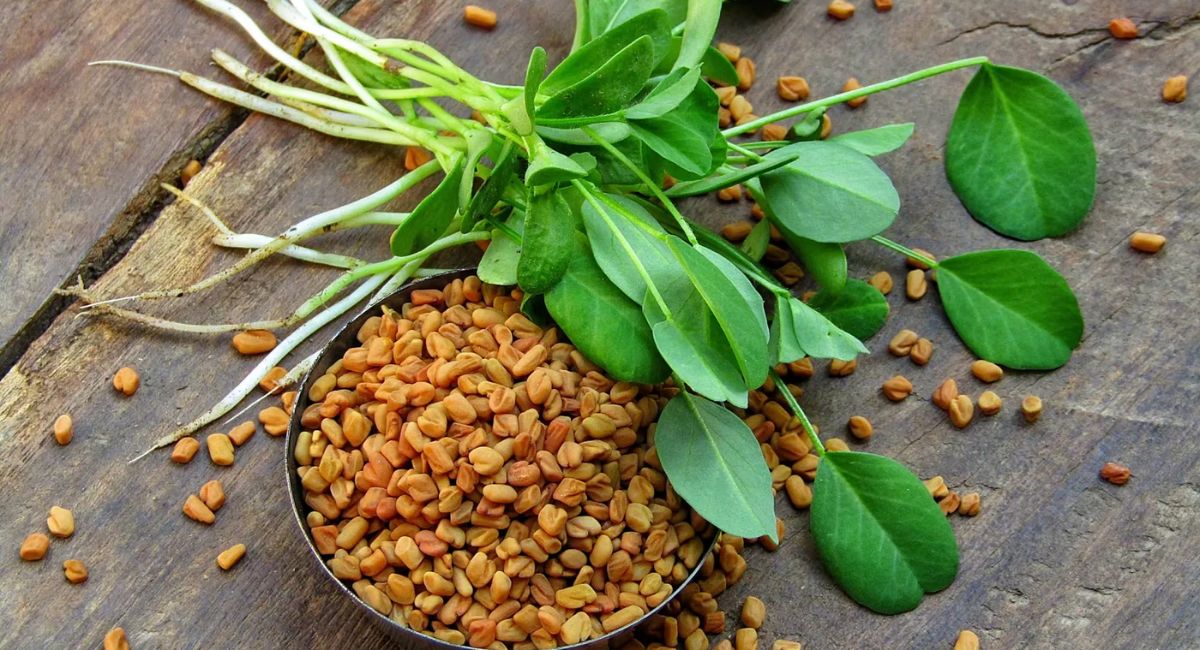
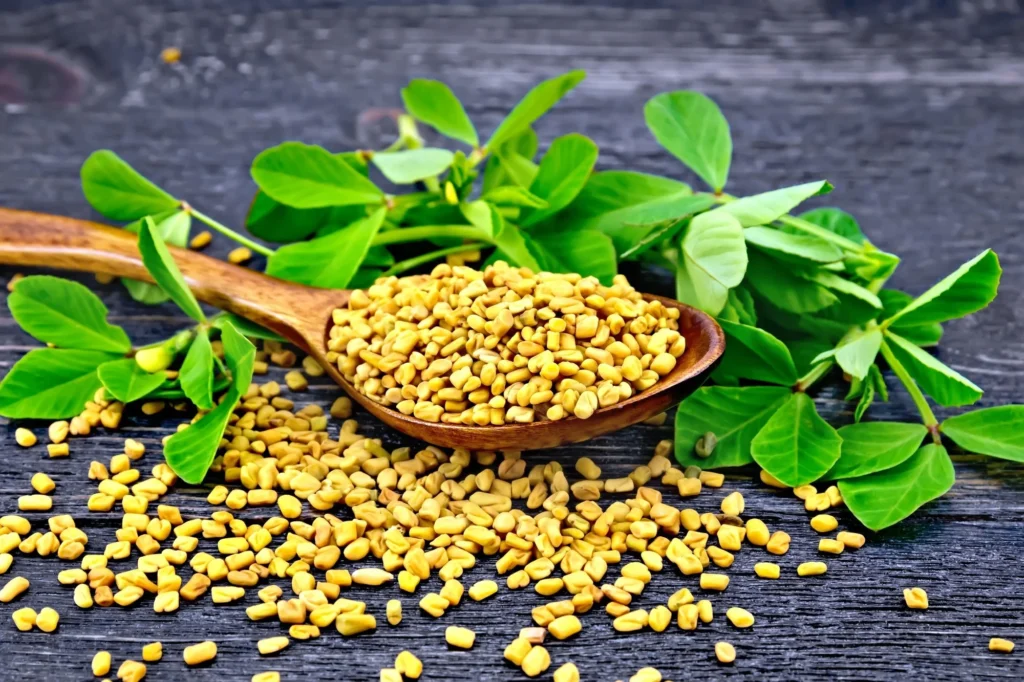
Fenugreek is an annual herb belonging to the legume family (Fabaceae). It grows small green leaves, white flowers, and golden-brown seeds. Both seeds and leaves are edible and widely used.
The seeds are the most commonly used part and are known for their strong smell, often described as nutty with a maple syrup-like aroma. This scent comes from a natural compound called sotolon, which becomes stronger when seeds are roasted or soaked.
Fenugreek leaves, also known as methi in South Asia, are used as a vegetable and add a slightly bitter but pleasant flavor to dishes.
Nutritional Value of Fenugreek
Fenugreek seeds are highly nutritious and contain a wide range of important nutrients. They are especially valued for their high fiber content and plant-based compounds.
Key nutrients include:
- Dietary fiber
- Protein
- Iron
- Magnesium
- Manganese
- Vitamin B6
- Antioxidants
The most important component is soluble fiber, which forms a gel-like substance in the stomach and supports digestion and metabolism.
Fenugreek also contains bioactive compounds such as saponins, flavonoids, trigonelline, and diosgenin, which are responsible for many of its traditional health associations.
Health Benefits of Foenegriek
Supports Digestive Health
Fenugreek is widely used to support digestion. Its high fiber content helps improve bowel movement and overall gut health.
It may help reduce constipation, bloating, and indigestion. The soluble fiber in fenugreek forms a protective layer in the stomach, which may soothe irritation and support smoother digestion.
May Help Maintain Blood Sugar Levels
Fenugreek is often studied for its potential role in supporting healthy blood sugar levels. The fiber content slows down the digestion and absorption of carbohydrates.
This may help reduce sudden spikes in blood sugar after meals and support better metabolic balance. Because of this, fenugreek is often included in traditional diets for people managing blood sugar concerns.
However, it should not replace medical treatment or prescribed medication.
Supports Heart Health
Fenugreek may support heart health through its fiber and plant compounds. Fiber can bind with bile acids in the digestive system, which may help reduce cholesterol absorption.
Regular dietary use may help maintain healthy cholesterol levels and support overall cardiovascular function when combined with a balanced diet.
Helps Control Appetite
Fenugreek may help with appetite control due to its high fiber content. It expands in the stomach when mixed with water, creating a feeling of fullness.
This may help reduce unnecessary snacking and support weight management efforts. However, fenugreek does not directly burn fat; its effect is mainly through satiety and appetite regulation.
Supports Women’s Health (Traditional Use)
In traditional medicine systems, fenugreek has long been used for women’s health support.
It is commonly associated with menstrual comfort, postpartum recovery, and breastfeeding support. Fenugreek is traditionally used as a natural galactagogue, which means it may help support milk production in lactating mothers.
While these uses are widespread, individual results may vary.
Anti-inflammatory and Antioxidant Properties
Fenugreek contains natural plant compounds that may help reduce inflammation in the body. These compounds include flavonoids and saponins, which act as antioxidants.
This may support overall wellness by reducing oxidative stress and supporting recovery from physical strain or minor inflammation.
Culinary Uses of Fenugreek
Fenugreek is widely used in global cuisine, especially in South Asian, Middle Eastern, and Mediterranean dishes.
The seeds are often roasted or ground and used in:
- Curries and stews
- Lentil dishes
- Spice blends and masalas
- Pickles and chutneys
- Sauces and marinades
Fenugreek leaves (methi) are used in flatbreads, vegetable dishes, and rice recipes. They add a distinct bitter but aromatic flavor that enhances traditional dishes.
Fenugreek tea is also made by boiling seeds in water and is consumed in herbal traditions.
How to Use Fenugreek
Fenugreek can be consumed in several simple ways depending on preference:
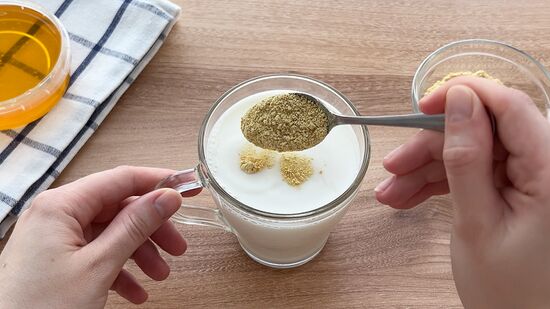
Soaked seeds are commonly eaten after being left in water overnight. Fenugreek tea is made by boiling seeds in water. Powdered fenugreek can be added to food or drinks in small amounts. Fresh or dried leaves are used in cooking, and supplements are available in capsule form for concentrated use.
It is best to start with small quantities due to its strong taste and active compounds.
Possible Side Effects
Fenugreek is generally safe when consumed in normal food amounts. However, excessive use may cause mild side effects.
These may include gas, bloating, diarrhea, or a maple syrup-like body odor. This smell is natural and caused by compounds present in fenugreek seeds.
Who Should Be Careful
Certain individuals should use fenugreek with caution:
Pregnant women should avoid high doses, as it may affect uterine activity. People taking diabetes medication should monitor their blood sugar closely, as fenugreek may enhance sugar-lowering effects. Those on blood-thinning medication should also consult a healthcare provider. People with legume allergies should avoid fenugreek entirely.
Moderation is important for safe use.
FAQ’s
1.What is fenugreek used for?
Fenugreek is used in cooking, herbal teas, and traditional medicine. It is commonly valued for supporting digestion, adding flavor to food, and being part of natural wellness practices.
2.Can fenugreek be taken daily?
Yes, fenugreek can be used daily in small amounts, especially as part of food. However, supplements or high doses should be taken with caution and preferably after professional advice.
3.What are the main benefits of fenugreek?
Fenugreek may support digestion, help with appetite control, and contribute to overall metabolic and heart health when included in a balanced diet.
4.Does fenugreek have side effects?
In some people, fenugreek may cause mild bloating, gas, or a maple syrup-like body odor. Excessive use should be avoided.
5.Who should avoid fenugreek?
Pregnant women, people on diabetes or blood-thinning medications, and those with legume allergies should use fenugreek carefully or consult a doctor first.
Conclusion
Fenugreek is a versatile herb with strong historical roots and modern nutritional importance. It is commonly used in cooking, traditional remedies, and herbal practices due to its fiber and natural plant compounds. It supports digestion, metabolism, and adds unique flavor to foods. When used in moderation, fenugreek can be a healthy addition to a balanced diet and overall lifestyle.