
How to Propagate Snake Plant- 5 Easy Methods to Grow New Plants Successfully
Snake plants are one of the most popular indoor plants because they are beautiful, low-maintenance, and highly adaptable. Their strong leaves and ability to survive in different indoor conditions make them a favorite choice for beginners and experienced plant lovers.
If you already have a healthy snake plant, you do not need to buy new ones. You can create more plants from the one you already own through propagation. Snake plants can be multiplied using different techniques, including division, baby plants (pups), leaf cuttings, water propagation, and rhizomes.
In this complete guide, you will learn how to propagate snake plant step-by-step, the best time to start propagation, the tools you need, aftercare tips, and common mistakes to avoid.
Learn how to propagate snake plant with 5 easy methods. Follow step-by-step tips, care advice, and avoid common mistakes for healthy new plants.
- What Is Snake Plant Propagation?
- Best Time to Propagate Snake Plant
- Tools and Materials You Need
- 5 Easy Ways to Propagate Snake Plant
- Propagating Snake Plant Through Division
- Propagating Snake Plant From Pups
- Propagating Snake Plant From Leaf Cuttings
- Propagating Snake Plant in Water
- Propagating Snake Plant Through Rhizomes
- Which Snake Plant Propagation Method Is Best?
- How Long Does Snake Plant Propagation Take?
- Snake Plant Propagation Aftercare Tips
- Common Snake Plant Propagation Mistakes
- Frequently Asked Questions
- Conclusion
- Related post
What Is Snake Plant Propagation?
Snake plant propagation is the process of creating a new plant from an existing mature snake plant. Instead of growing a plant from seeds, propagation allows you to use parts of the original plant, such as leaves, roots, or underground stems.
Snake plants naturally spread through underground rhizomes that produce new shoots. This makes them one of the easiest houseplants to multiply at home.
Propagation is useful because it allows you to:
- Grow more snake plants without spending money
- Share new plants with friends and family
- Save damaged or overgrown plants
- Create a larger indoor plant collection
Best Time to Propagate Snake Plant
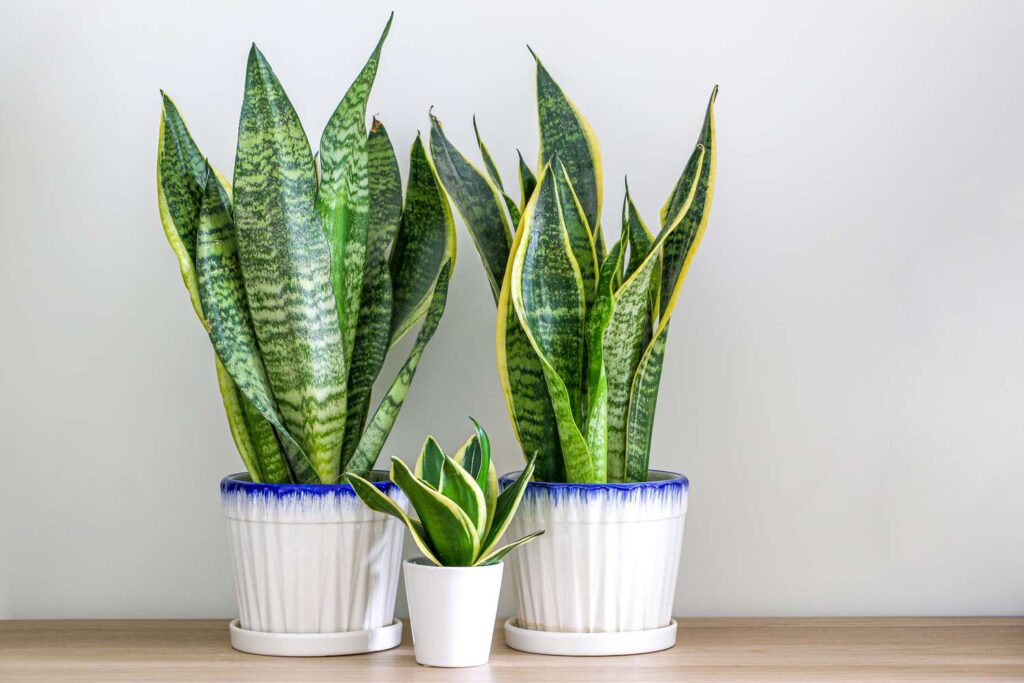
The ideal time to propagate snake plants is during spring and summer when the plant is actively growing. During these seasons, warmer temperatures and longer daylight hours help new roots develop faster.
You can still propagate snake plants in colder months, but the process may take longer because plant growth naturally slows down.
Before starting propagation, choose a healthy mother plant with:
- Firm, green leaves
- Strong root growth
- No signs of disease or pests
- Healthy new shoots if possible
Avoid using weak or damaged leaves because they may struggle to develop into new plants.
Tools and Materials You Need
Before you begin, prepare the following items:
Sharp Cutting Tool
Use a clean knife, scissors, or gardening shears. A sharp tool creates a cleaner cut and reduces damage to the plant.
Well-Draining Soil
Snake plants dislike excess moisture. Use a soil mix that drains quickly, such as a succulent or cactus soil blend.
Small Pots With Drainage Holes
New plants need proper drainage to prevent root rot.
Clean Water Container
If you choose water propagation, use a clean glass or jar.
Healthy Snake Plant
A mature and strong plant gives you the best chance of successful propagation.
5 Easy Ways to Propagate Snake Plant
Propagating Snake Plant Through Division
Division is one of the fastest and most reliable methods because you are separating an already established plant into smaller sections.
This method works best for large snake plants that have multiple stems and a strong root system.
Steps:
- Carefully remove the snake plant from its pot.
- Gently remove extra soil around the roots.
- Find natural sections where the plant can be separated.
- Divide the plant into smaller sections while keeping roots attached.
- Place each section into a new pot with fresh soil.
- Water lightly and keep the plant in bright indirect light.
Why Choose Division?
- Faster results compared to leaf cuttings
- New plants already have roots
- Suitable for mature snake plants
Propagating Snake Plant From Pups
Snake plants often produce small baby plants called pups around the base of the mother plant. These young plants can be separated and grown independently.
This method is beginner-friendly because the pup already has its own growing system.
Steps:
- Wait until the pup has developed some roots.
- Remove the mother plant from the pot carefully.
- Separate the pup without damaging the roots.
- Plant the baby snake plant in fresh soil.
- Keep it slightly moist until it becomes established.
Benefits of Using Pups:
- High success rate
- Faster growth
- Less stress on the new plant
Propagating Snake Plant From Leaf Cuttings
Leaf cutting is a popular method because one leaf can create multiple new plants. However, it usually takes longer than division because the cutting must develop roots first.
Steps:
- Select a healthy snake plant leaf.
- Cut the leaf into smaller sections.
- Remember the top and bottom direction of each piece.
- Allow the cut sections to dry for a short time.
- Place the bottom part into well-draining soil.
- Keep the soil lightly moist and wait for new growth.
Important Tip:
Do not plant leaf pieces upside down because they may not grow properly.
Leaf propagation is affordable and simple, but patience is required because new roots can take several weeks to appear.
Propagating Snake Plant in Water

Water propagation is another simple method that allows you to watch the roots develop. Many beginners like this technique because they can easily see whether the cutting is growing.
Although water propagation is enjoyable, it may take longer than division because the cutting needs time to develop strong roots before moving into soil.
Steps:
- Choose a healthy snake plant leaf and cut it near the base.
- Allow the cut end to dry for a day or two to reduce the risk of rotting.
- Place the bottom part of the leaf cutting into a clean container filled with water.
- Keep the container in a location with bright indirect sunlight.
- Change the water regularly to keep it fresh.
- Once healthy roots develop, transfer the cutting into a pot with well-draining soil.
Benefits of Water Propagation:
- Easy to monitor root growth
- Beginner-friendly method
- Requires fewer materials
Possible Problems:
- Leaving cuttings in water too long can weaken them
- Dirty water may encourage bacterial growth
- Transitioning from water to soil requires care
Propagating Snake Plant Through Rhizomes
Rhizomes are underground stems that allow snake plants to spread naturally. These structures produce new roots and shoots, making them an effective way to create new plants.
Rhizome propagation is especially useful when you want to grow a new snake plant while keeping the characteristics of the original plant.
Steps:
- Remove the snake plant carefully from its container.
- Locate the thick underground rhizomes near the roots.
- Separate a healthy rhizome section using a clean cutting tool.
- Allow the cut area to dry before planting.
- Place the rhizome in fresh, well-draining soil.
- Keep the soil slightly dry and provide indirect light.
Advantages of Rhizome Propagation:
- Produces strong new plants
- Works well for mature snake plants
- Can maintain the original plant’s characteristics
Which Snake Plant Propagation Method Is Best?
The best propagation method depends on your plant’s size, experience level, and how quickly you want results.
| Propagation Method | Speed | Difficulty Level | Best For |
| Division | Fast | Easy | Large mature plants |
| Pups | Fast | Very Easy | Beginners |
| Leaf Cuttings | Slow | Easy | Creating many plants |
| Water Propagation | Medium | Easy | Beginners who want to watch roots grow |
| Rhizome Propagation | Fast | Medium | Healthy established plants |
For beginners, separating pups or using division is usually the easiest option because the new plants already have a strong root system.
How Long Does Snake Plant Propagation Take?
The time required for snake plant propagation depends on the method you choose and the growing conditions.
Generally:
- Division can show new growth within a few weeks.
- Pups usually establish quickly because they already have roots.
- Leaf cuttings may take several weeks or even a few months to produce new growth.
- Water propagation may take several weeks before roots are ready for soil.
Factors that affect growth include:
- Amount of light
- Temperature
- Watering habits
- Soil quality
- Health of the cutting
Patience is important because snake plants naturally grow slowly compared to many other houseplants.
Snake Plant Propagation Aftercare Tips
Proper care after propagation helps new plants develop healthy roots and leaves.
Provide Bright Indirect Light
New snake plants need enough light to grow, but direct sunlight can damage young leaves. Place them near a bright window where they receive filtered light.
Avoid Overwatering
Snake plants store water in their thick leaves, which means they do not need frequent watering.
Allow the soil to dry between watering sessions. Too much moisture can cause root rot and destroy new cuttings.
Use Proper Soil
A loose, well-draining soil mix is important. Heavy soil can hold excess water and prevent healthy root development.
A suitable mix includes:
- Cactus or succulent soil
- Perlite for better drainage
- Materials that improve airflow around roots
Give New Plants Time
Newly propagated snake plants need time to adjust. Avoid moving them frequently or disturbing the roots during early growth.
Common Snake Plant Propagation Mistakes
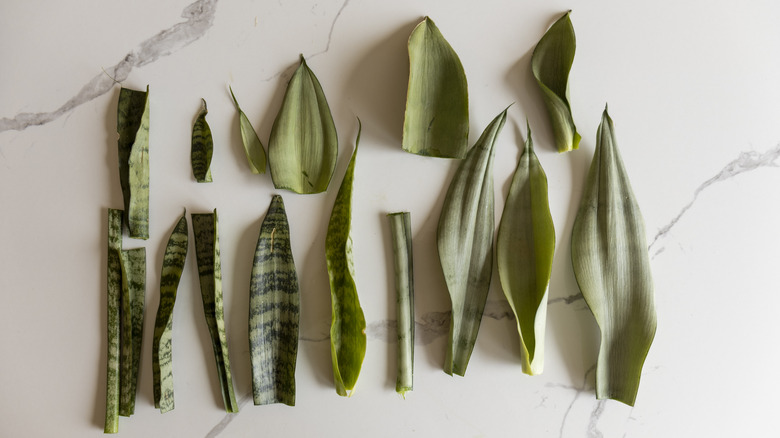
Even though snake plants are easy to propagate, beginners can make mistakes that slow down growth.
Overwatering Cuttings
Too much water is one of the biggest reasons snake plant cuttings fail. Excess moisture can cause leaves and roots to become soft and damaged.
Using Poor Drainage Soil
Dense soil keeps water trapped around roots. Always choose a lightweight soil mix.
Propagating Unhealthy Leaves
Damaged or weak leaves may not have enough energy to create a new plant.
Placing Cuttings in Direct Sunlight
Strong sunlight can burn young cuttings. Bright indirect light is safer.
Planting Fresh Cuts Immediately
Allowing cuttings to dry slightly helps prevent rot and improves success.
Frequently Asked Questions
1.How long does it take to propagate a snake plant?
Snake plant propagation can take several weeks to a few months depending on the method, light, temperature, and care.
2.What is the easiest way to propagate a snake plant?
Propagation through pups or division is usually the easiest because the new plants already have roots.
3.Can you grow a snake plant from one leaf?
Yes, a snake plant can grow from a leaf cutting. However, it may take longer compared to division or pups.
4.Can snake plants grow in water?
Yes, snake plant cuttings can develop roots in water. Once the roots are strong enough, they should be moved into soil.
5.Why are my snake plant cuttings turning soft?
Soft cuttings are usually caused by overwatering, poor drainage, or using unhealthy plant material.
Conclusion
Propagating snake plants is an easy and rewarding way to grow more plants from one healthy mother plant.Propagating snake plants is a simple way to grow new plants from a healthy mother plant. Methods like division, pups, leaf cuttings, water propagation, and rhizomes can help you expand your collection. With proper soil, enough light, and careful watering, your new snake plants can develop strong roots and grow into beautiful indoor plants.