ARK Augmented Reality- Transforming Digital Experiences in 2026
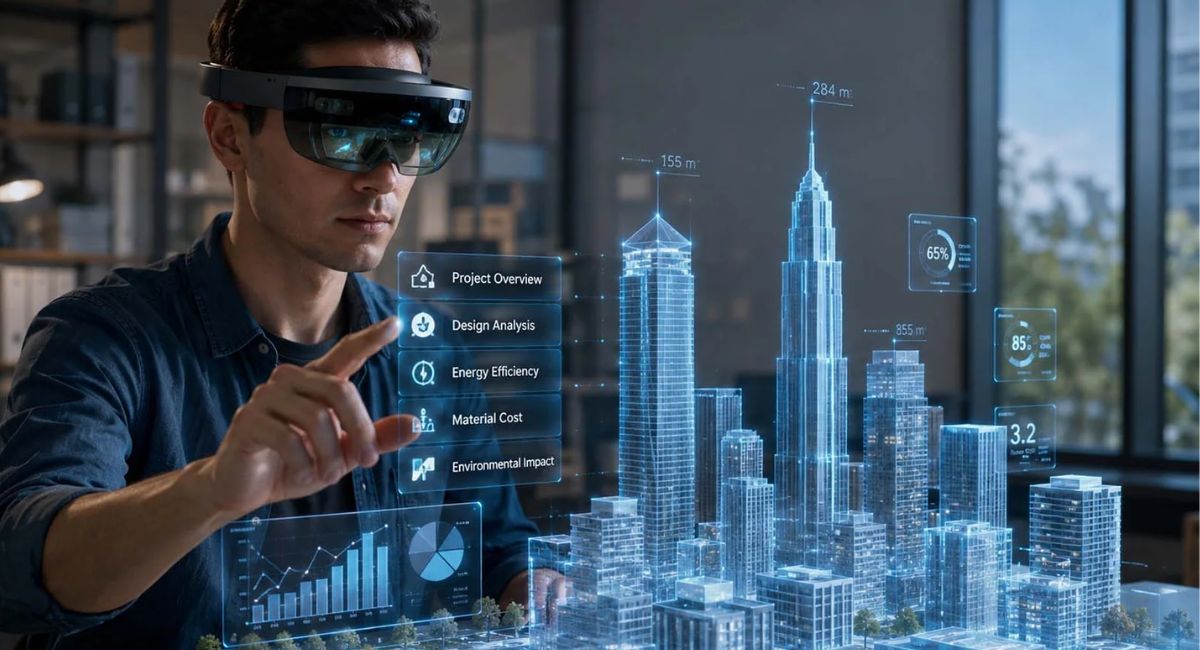
Augmented Reality (AR) has evolved from a conceptual technology into a practical system that is actively reshaping industries such as manufacturing, healthcare, education, retail, and logistics. It enables digital information to be integrated directly into the physical world, improving interaction, visualization, and decision-making.
ARK Augmented Reality refers to an advanced AR ecosystem that combines artificial intelligence, computer vision, spatial mapping, and real-time 3D rendering. Its primary purpose is to make digital content behave intelligently within real environments rather than simply overlaying static graphics on a screen.
Unlike traditional AR applications, ARK-style systems are designed for scalable, adaptive, and context-aware experiences where virtual objects respond to real-world conditions.
ARK Augmented Reality combines AI, spatial computing, and real-world interaction to transform industries like manufacturing, retail, and education in 2026.
- What Is ARK Augmented Reality?
- How Augmented Reality Works
- What Makes ARK Different from Traditional AR
- Why Companies Are Moving from VR to AR
- Key Features of ARK Augmented Reality
- ARK Augmented Reality in Manufacturing (Industry 4.0)
- Smart Glasses and Wearable AR
- Benefits of ARK Augmented Reality
- Challenges and Limitations
- Future of ARK Augmented Reality (2026 and Beyond)
- FAQ's
- Conclusion
- Related post
What Is ARK Augmented Reality?
ARK Augmented Reality is an advanced AR framework that integrates multiple technologies to enhance real-world environments with intelligent digital overlays.
It typically includes:
- Real-time 3D object placement
- AI-driven scene understanding
- Cloud-based content management
- Cross-device compatibility (mobile, tablets, wearables, smart glasses)
- Integration with industrial systems and workflows
In simple terms, ARK Augmented Reality is a system that understands the environment and adapts digital content accordingly.
How Augmented Reality Works
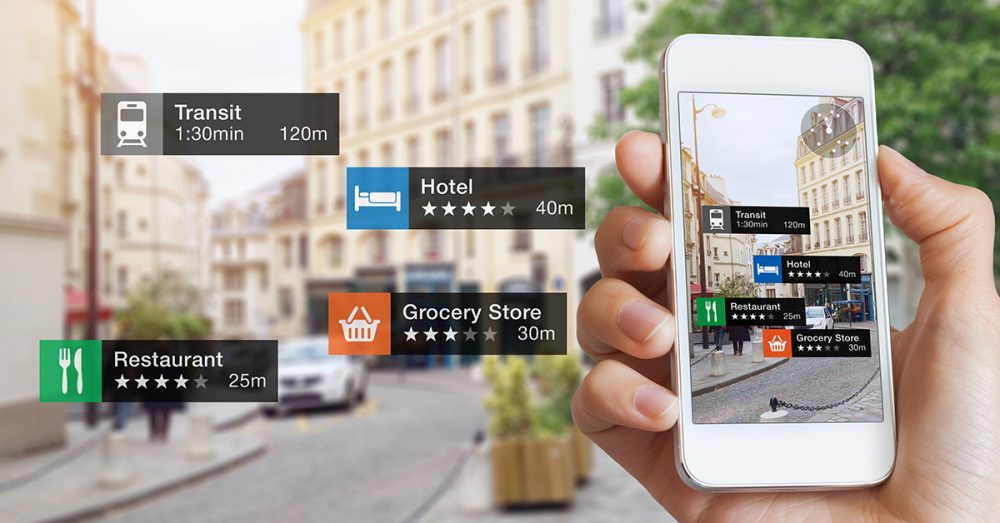
ARK Augmented Reality relies on several core technologies working together:
Computer Vision
Computer vision enables devices to detect and interpret real-world objects, surfaces, and spatial relationships using cameras and sensors.
SLAM Technology
Simultaneous Localization and Mapping (SLAM) allows devices to map an environment while tracking their position within it in real time.
Artificial Intelligence
AI enhances object recognition, predicts user interaction, and improves the accuracy of digital placement in physical spaces.
Depth Sensing and LiDAR
Depth sensors and LiDAR provide precise distance measurement between objects, enabling accurate placement and occlusion of virtual elements.
Cloud Computing
Cloud infrastructure enables storage, synchronization, and real-time updates of AR content across multiple devices and users.
What Makes ARK Different from Traditional AR
Traditional augmented reality systems primarily focus on overlaying digital objects onto the real world. However, they often lack deep environmental understanding.
ARK Augmented Reality improves upon this by introducing:
- Environmental memory and context awareness
- Adaptive scene understanding
- AI-based decision-making
- Reduced manual calibration for new environments
- Improved stability of virtual objects in real spaces
This makes AR experiences more natural, consistent, and scalable across different environments.
Why Companies Are Moving from VR to AR
Virtual Reality creates fully immersive digital environments, but it disconnects users from the real world. Augmented Reality enhances reality instead of replacing it.
Key advantages of AR over VR include:
- Hands-free interaction in real environments
- Better safety for industrial use cases
- Easier integration into daily workflows
- Lower hardware requirements in many applications
- Improved real-world usability for enterprise systems
For these reasons, AR is increasingly preferred in industrial and professional environments.
Key Features of ARK Augmented Reality
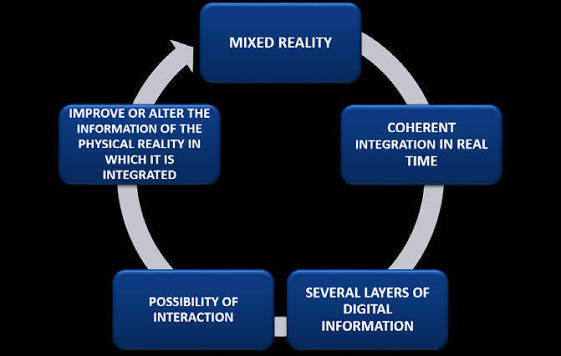
Advanced Object Recognition
ARK systems can identify and track physical objects in real time, allowing precise interaction between digital and physical elements.
Markerless Tracking
ARK does not require QR codes or markers. Digital content can be placed naturally in any environment.
Real-Time 3D Rendering
High-quality 3D graphics are rendered dynamically based on user movement and environmental changes.
Multi-User Collaboration
Multiple users can interact with the same augmented environment simultaneously, making it useful for training and remote assistance.
Cloud Integration
Centralized cloud systems allow seamless updates, content management, and synchronization across devices.
ARK Augmented Reality in Manufacturing (Industry 4.0)
One of the most impactful applications of ARK Augmented Reality is in manufacturing and industrial environments.
Training and Workforce Development
AR provides step-by-step visual instructions that reduce training time and improve skill retention.
Digital Work Instructions
Traditional manuals are replaced with real-time visual overlays that guide workers through each step of a process.
Quality Assurance
AI-powered AR systems can detect defects, incorrect assembly, or missing components during production.
Product Variation Management
Manufacturing systems can automatically adapt instructions based on different product models or configurations.
Manufacturing Analytics
ARK systems collect real-time data on worker performance, process efficiency, and error patterns.
Smart Glasses and Wearable AR
Smart glasses are expected to become a primary interface for AR systems in the future.
They enable:
- Hands-free access to instructions and data
- Real-time remote assistance from experts
- Live machine monitoring and diagnostics
- Seamless integration into industrial workflows
As hardware becomes lighter and more affordable, adoption of wearable AR systems is expected to increase significantly.
Benefits of ARK Augmented Reality
Organizations using ARK-based systems can experience:
- Increased productivity
- Reduced human error rates
- Faster employee training
- Improved operational efficiency
- Lower long-term operational costs
- Enhanced decision-making through real-time data
These advantages make ARK a valuable tool for digital transformation.
Challenges and Limitations
Despite its advantages, ARK Augmented Reality also faces several challenges:
- High computational and hardware requirements
- Compatibility issues across different devices
- Data privacy and security concerns
- Complex development and integration processes
- Battery and performance limitations in mobile devices
These challenges must be addressed for large-scale adoption.
Future of ARK Augmented Reality (2026 and Beyond)
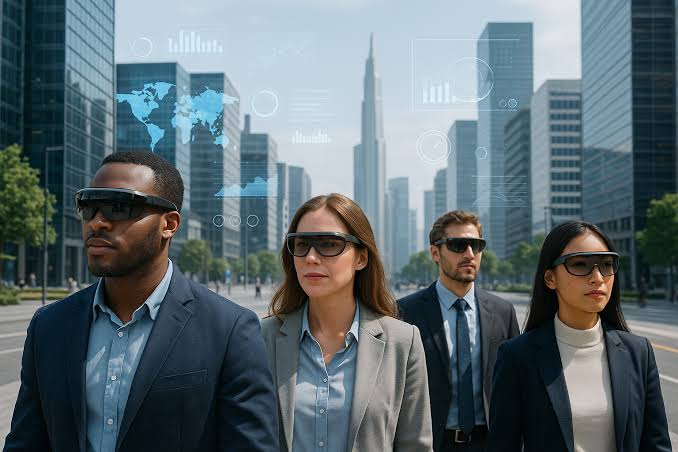
The future of ARK Augmented Reality is closely linked to advancements in artificial intelligence and spatial computing.
Key future trends include:
AI-Driven AR Systems
More intelligent AR environments capable of understanding user intent and context.
Digital Twins
Real-world systems mirrored digitally for simulation, monitoring, and optimization.
Web-Based AR
AR experiences accessible directly through browsers without installing applications.
Smart City Integration
Use of AR for navigation, public information systems, and infrastructure management.
Enterprise Spatial Computing
Fully integrated physical and digital industrial ecosystems.
FAQ’s
1. What is ARK Augmented Reality?
ARK Augmented Reality is an advanced AR system that uses AI, spatial computing, and computer vision to integrate intelligent digital content into real-world environments.
2. How does ARK Augmented Reality work?
It works by combining technologies like SLAM, AI, depth sensing, and cloud computing to understand physical spaces and place digital objects accurately within them.
3. What industries use ARK Augmented Reality?
It is widely used in manufacturing, healthcare, education, retail, logistics, and training environments to improve efficiency and accuracy.
4. What is the difference between ARK AR and traditional AR?
Traditional AR overlays static digital content, while ARK AR uses AI and environmental understanding to create adaptive, context-aware experiences.
5. What are the benefits of ARK Augmented Reality?
It improves productivity, reduces errors, enhances training, supports real-time decision-making, and lowers operational costs across industries.
Conclusion
ARK Augmented Reality is an advanced spatial computing system that combines AI, computer vision, and real-time 3D interaction to enhance real-world environments. It is transforming industries like manufacturing, healthcare, education, and retail by improving efficiency, training, and decision-making. As technology evolves, ARK will play a key role in shaping intelligent, immersive, and connected digital experiences across industries.