Qiser Platform Review 2026- Features, Benefits & Complete Guide
In today’s fast-paced digital environment, businesses and individuals rely on multiple tools to manage everyday operations such as communication, workflow automation, data tracking, reporting, and team collaboration. While these tools are useful, using too many separate platforms often leads to confusion, higher costs, and reduced productivity.
This is where Qiser comes in as an emerging digital workflow platform designed to simplify operations by combining multiple functions into one centralized system. Instead of switching between different apps for different tasks, users can manage everything from a single dashboard.
Qiser allows users to automate repetitive tasks, organize workflows, and monitor performance in real time. This makes it especially useful for startups, freelancers, small businesses, and even larger enterprises that want to improve efficiency and reduce operational complexity.
In this detailed guide, we will explore what Qiser is, how it works, its key features, benefits, real-world use cases, limitations, and whether it is worth using in 2026.
Explore Qiser Platform Review 2026 with features, benefits, pricing insights, and complete guide to understand how it works for users and businesses online inf
What Is Qiser?
Qiser is a cloud-based digital platform designed to improve productivity by combining workflow management and automation tools into a single system. Its main purpose is to reduce manual effort and help users manage tasks more efficiently.
Instead of using multiple software tools, Qiser provides a unified workspace where everything is handled in one place.
Core focus areas of Qiser include:
- Workflow automation
- Task management
- Data tracking and reporting
- Cross-device accessibility
The platform is designed for users who want a simple yet powerful way to manage digital operations without complexity.
How Qiser Works (Step-by-Step Process)
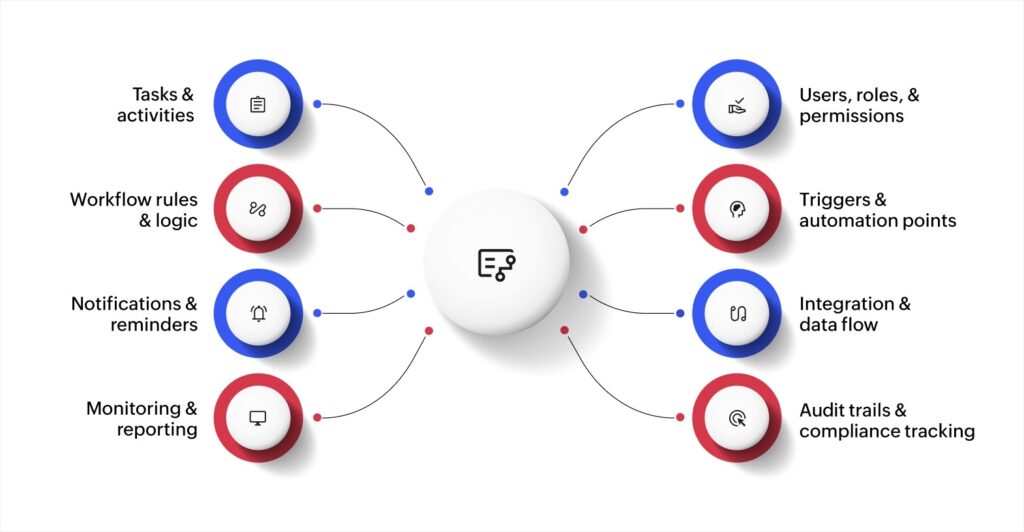
Qiser works in a structured and user-friendly flow that even beginners can understand easily.
Account Setup
Users begin by creating an account and setting up their profile based on business or personal needs.
Dashboard Access
After logging in, users are taken to a centralized dashboard where all tools and features are available in one place.
Workflow Creation
Users define workflows by setting rules for tasks such as automation, scheduling, reporting, and communication.
Automation Execution
Once configured, Qiser automatically performs repetitive tasks without manual intervention.
Monitoring and Analytics
Users can track progress, view performance reports, and optimize workflows using real-time analytics.
This structured process helps reduce manual work and increases productivity significantly.
Key Features of Qiser Platform
Workflow Automation
Qiser automates repetitive tasks like data entry, scheduling, reporting, and notifications, saving time and reducing human error.
Centralized Dashboard
All tools are available in a single interface, making it easier to manage operations without switching platforms.
Real-Time Analytics
Users get live insights into performance, productivity, and workflow efficiency to make better decisions.
Multi-Industry Support
Qiser is flexible and can be used across different industries such as:
- E-commerce
- Healthcare
- Finance
- Education
- Human resource management
Cross-Device Compatibility
The platform works seamlessly on mobile, tablet, and desktop devices, allowing access from anywhere.
Custom Workflow Design
Users can design workflows tailored to their specific needs and business operations.
Real-World Applications of Qiser
E-Commerce Industry
Qiser helps automate order processing, inventory updates, and customer support systems, improving response time and efficiency.
Healthcare Sector
Used for managing appointments, patient records, reminders, and administrative tasks.
Finance Industry
Supports transaction monitoring, reporting, and compliance-related workflows.
Education Sector
Helps institutions manage student records, exam scheduling, and academic reporting.
Human Resources
Used for recruitment processes, employee onboarding, and performance tracking.
Benefits of Using Qiser

Improved Productivity
Automation reduces manual effort, allowing teams to focus on more important strategic tasks.
Cost Efficiency
Reduces dependency on multiple software tools, lowering overall operational costs.
Time Savings
Speeds up workflows by eliminating repetitive manual processes.
Better Decision-Making
Real-time analytics provide insights that help improve business decisions.
Scalability
Suitable for both small startups and large enterprises due to its flexible structure.
Limitations of Qiser
While Qiser provides several advantages, it also comes with certain limitations:
- It is still an emerging platform with limited market maturity
- Long-term reliability is not fully established
- Advanced features may require a learning curve
- Performance depends on platform stability and updates
Users should carefully evaluate these factors before fully adopting it into their business systems.
Qiser vs Traditional Tools
Traditional workflow systems often require multiple platforms to manage different tasks, which increases complexity and workload.
Qiser simplifies this by:
- Combining multiple tools into one system
- Offering built-in automation features
- Providing centralized analytics
- Reducing software dependency
This makes Qiser a more modern and efficient alternative for managing digital workflows.
How to Get Started with Qiser
Sign Up
Create an account using basic personal or business details.
Setup Workspace
Customize your dashboard according to your workflow requirements.
Create Workflows
Define tasks and automation rules based on your needs.
Integrate Data
Connect relevant business processes into the platform.
Monitor Performance
Track results and optimize workflows using analytics tools.
Future of Qiser Platform

Qiser is part of the growing trend of digital transformation and automation. In the future, platforms like Qiser are expected to evolve with:
- AI-powered automation systems
- Predictive analytics tools
- Better third-party integrations
- More personalized user experiences
With continuous development, Qiser has the potential to become a strong player in the workflow automation industry.
Frequently Asked Questions
1. What is Qiser used for?
Qiser is used for automating workflows, managing tasks, and improving productivity through a centralized system.
2. Is Qiser suitable for small businesses?
Yes, it is designed for both small businesses and large organizations due to its scalable structure.
3. Do I need technical skills to use Qiser?
No, Qiser is user-friendly and can be used without advanced technical knowledge.
4. Can Qiser replace multiple tools?
Yes, it aims to combine multiple tools into one unified platform.
5. Is Qiser safe to use?
Users should always verify official information and evaluate the platform before full implementation.
Conclusion
Qiser is an innovative digital workflow platform designed to simplify business operations through automation and centralized management. It helps users improve productivity, reduce costs, and save time by combining multiple tools into one system. While still developing, it shows strong potential for future growth. Users should evaluate its features carefully before integrating it into their daily operations.