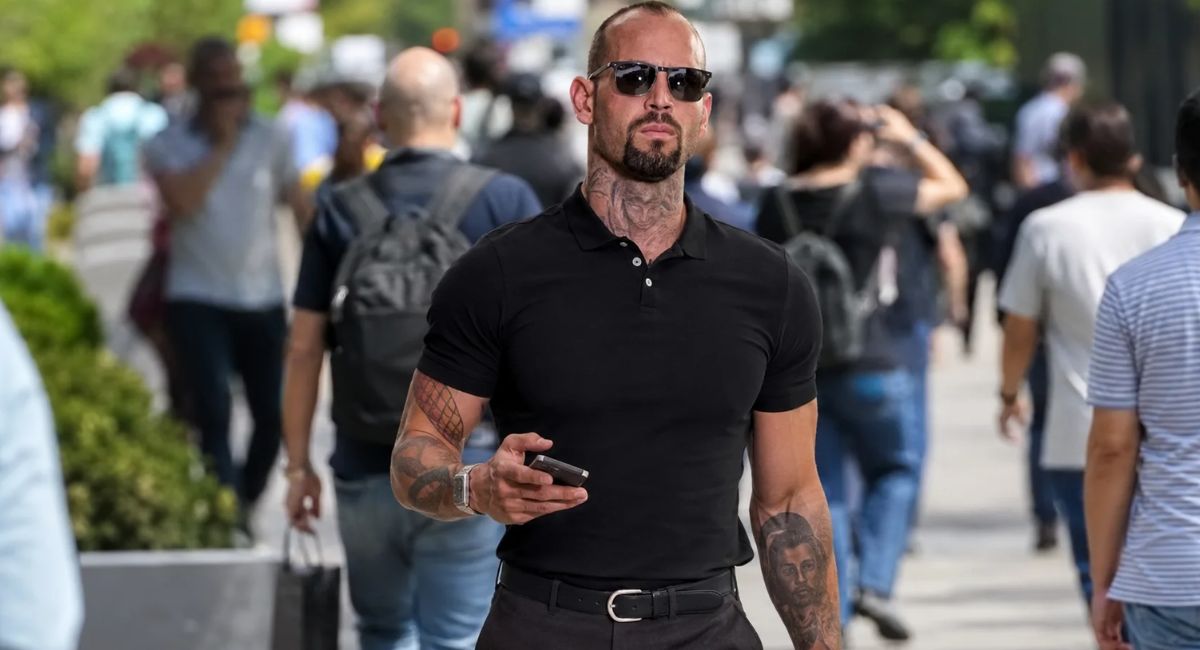
Wes Watson Net Worth & Biography (2026- Prison to Fitness Business Case Study
Wes Watson is widely recognized for his transformation from incarceration to becoming a high-ticket fitness and mindset coach. While most online articles simplify his journey as a “prison to millionaire” story, the reality is more complex. His success is built on a personal-brand driven service business model that relies on content, audience attention, and structured coaching funnels. His income is not purely passive but depends on continuous engagement, client acquisition, and high-ticket transformation programs.
Wes Watson net worth and biography (2026) explained with realistic income breakdown, prison transformation story, business model analysis, and coaching funnel system insight.
- Biography Overview
- Early Life and Background
- Prison Phase and Behavioral Transformation
- Transition Into Social Media and Public Attention
- Business Model Breakdown (Critical Missing Element in Most Articles)
- Wes Watson Net Worth (2026 Estimate)
- Income Sources
- Risk Factors and Business Limitations
- Public Perception and Controversy
- Career Timeline Summary
- Core Business Insight
- FAQ’s
- Conclusion
- Related post
Biography Overview
Wes Watson is a U.S.-based fitness coach, motivational speaker, and content creator whose public identity is built around discipline, accountability, and personal transformation.
His story is generally structured into three phases:
- Early life and behavioral environment
- Long-term incarceration and routine development
- Post-release business and brand monetization
Unlike traditional entrepreneurs, his business is heavily dependent on his personal identity and lived experience narrative.
Early Life and Background
Wes Watson was raised in the United States in a working-class environment. Public narratives about his early life consistently highlight instability, lack of structure, and early exposure to risky behavioral influences.
While many biographies simplify this section, the key factor is not just background hardship but behavioral conditioning. His later messaging around discipline and structure is directly tied to this early environment.
This phase is important because it forms the psychological foundation of his brand positioning: order versus chaos, discipline versus impulse, and structure versus instability.
Prison Phase and Behavioral Transformation

Watson spent approximately a decade in California correctional facilities.
The significance of this period is less about the duration and more about the routine-based conditioning that occurred during incarceration.
Key behavioral developments during this phase included:
- Strict daily physical training routines
- Highly structured time management
- Psychological adaptation to controlled environments
- Development of identity based on discipline and repetition
This period became the core narrative asset used in his later business model, especially in positioning himself as someone who has “lived” transformation rather than only teaching it.
Transition Into Social Media and Public Attention
After release, Watson entered the digital content space through platforms such as YouTube and Instagram.
His early content focused on prison experiences, discipline frameworks, and aggressive motivational messaging. This style differentiated him from traditional fitness influencers and positioned him in a niche intersection of fitness, psychology, and accountability coaching.
The key factor in his growth was not only content virality but emotional intensity and narrative authenticity, which increased audience retention and engagement.
Business Model Breakdown (Critical Missing Element in Most Articles)
Most competitor articles fail to explain how his business actually operates.
His system is best understood as a structured personal-brand conversion funnel rather than a traditional influencer income model.
Attention Layer
Content designed to generate reach:
- Motivational clips
- Discipline-focused messaging
- Prison transformation storytelling
Authority Layer
Positioning as an expert:
- “I lived it” credibility
- Discipline-based identity branding
- High-intensity communication style
Conversion Layer
Audience monetization system:
- Coaching applications
- Sales consultations
- Qualification-based entry into programs
Delivery Layer
Core product offering:
- High-ticket fitness coaching
- Mindset and accountability systems
- Structured personal transformation programs
The key insight is that the business is service-based and heavily dependent on personal involvement rather than scalable passive products.
Wes Watson Net Worth (2026 Estimate)
Estimated net worth is generally placed between:
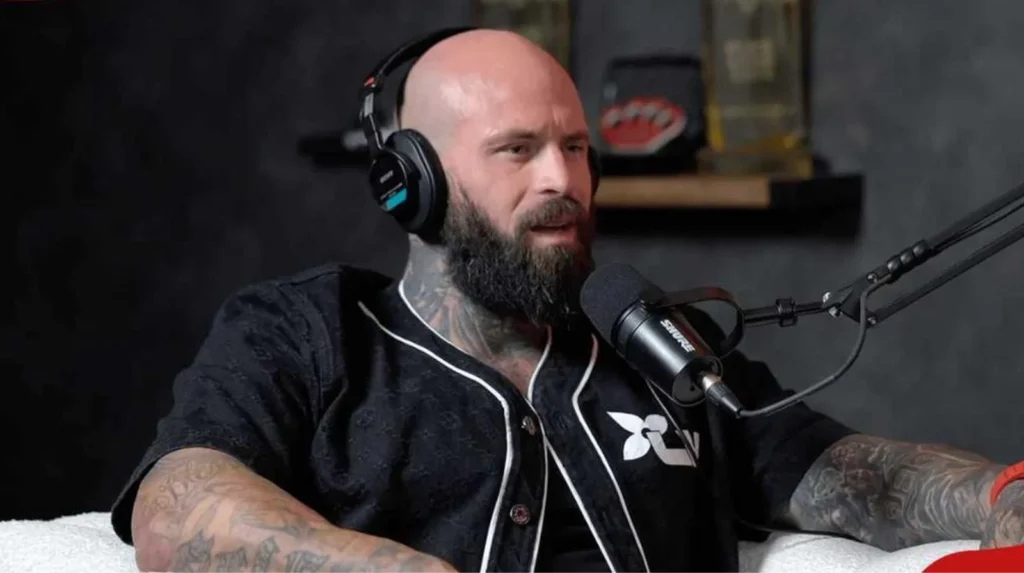
$2 million – $6 million
This estimate is based on publicly available indicators such as coaching pricing models, audience size, and business structure. However, exact figures are not verifiable due to the private nature of his business operations.
Unlike traditional celebrity wealth, his net worth is not primarily asset-driven. Instead, it is closely tied to ongoing business performance and client acquisition.
Factors influencing variability include:
- Client retention rates
- Marketing and advertising costs
- Sales cycle performance
- Platform-driven traffic fluctuations
Income Sources
High-Ticket Coaching
Primary income source, based on personalized and group transformation programs.
Social Media Platforms
Used primarily as a lead generation system rather than direct monetization.
Digital Programs
Recorded systems and structured frameworks, often integrated into coaching funnels.
Speaking Engagements
Secondary income source that also supports authority building.
Risk Factors and Business Limitations
Unlike passive income models, his business structure carries inherent volatility.
Key risks include:
- Dependence on personal brand visibility
- Algorithm-driven traffic fluctuations
- High customer acquisition costs
- Market saturation in fitness coaching industry
- Reputation sensitivity due to public persona
This makes the model high-income but operationally unstable compared to diversified businesses.
Public Perception and Controversy
Watson is a polarizing figure in the self-improvement space.
Supporters view him as a discipline-driven transformation example, while critics highlight his aggressive communication style and premium pricing structure.
Despite mixed opinions, engagement remains consistently high, which contributes directly to his business performance.
Career Timeline Summary
- Early life: Behavioral instability and environmental challenges
- Prison phase: Structured discipline development
- Post-release: Social media content creation
- Growth phase: Viral motivational presence
- 2023–2026: Expansion of coaching-based business ecosystem
Core Business Insight
The primary misunderstanding in most online content is that Wes Watson earns mainly from social media or fame.
In reality, his income is driven by identity-based selling, where transformation psychology is monetized through high-ticket coaching systems.
He does not primarily sell fitness plans. He sells structured behavioral change frameworks built around discipline and accountability.
FAQ’s
1. What is Wes Watson net worth in 2026?
His estimated net worth is between $2 million and $6 million, mainly generated from high-ticket coaching and his personal brand business.
2. How does Wes Watson make money?
He earns through fitness coaching programs, mindset transformation courses, social media funnels, and speaking engagements.
3. Is Wes Watson’s income passive or active?
His income is mostly active because it depends on client acquisition, coaching sales, and continuous audience engagement.
4. What is Wes Watson known for?
He is known for his prison-to-success transformation story, discipline-based coaching style, and motivational content.
5. What is Watson Fit?
Watson Fit is his coaching business that offers structured fitness, mindset, and accountability programs focused on personal transformation.
Conclusion
Wes Watson’s journey reflects a shift from incarceration to building a personal brand-driven coaching business. His estimated net worth comes mainly from high-ticket fitness and mindset programs rather than passive income. While opinions about him remain divided, his success highlights how discipline, storytelling, and digital marketing can create a profitable business model in today’s creator economy.